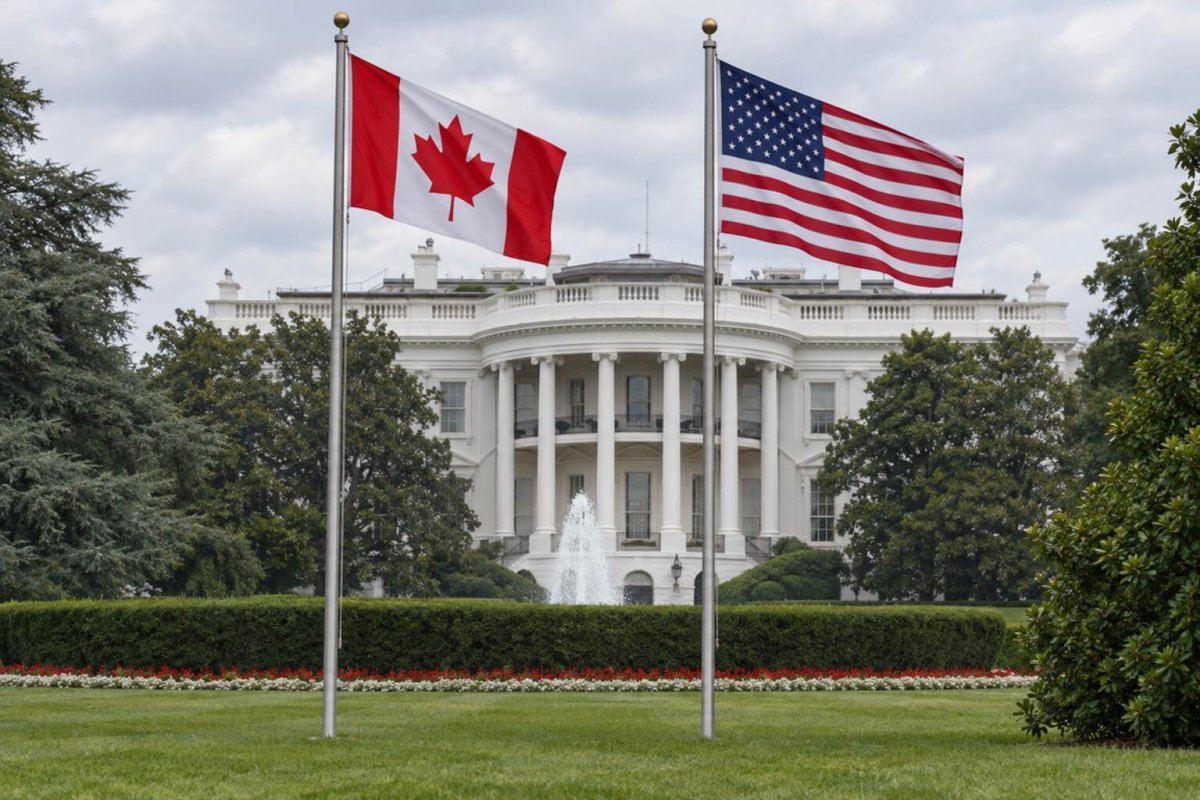
President Donald Trump's weekend remarks suggesting a US-Canada trade agreement could be reached "fairly soon" have injected a note of optimism into cross-border trade discussions. However, the gap between political signaling and concrete policy actions remains wide, leaving businesses and investors to navigate an increasingly complex tariff landscape.
Speaking in Dublin on Saturday, Trump linked a potential deal to Canada lowering barriers for US agricultural producers. Prime Minister Mark Carney has responded cautiously, stating Canada is "always ready to strike a fair deal," according to The Associated Press. Yet, no formal negotiations have resumed, and Ottawa's public position still describes the talks as suspended since August 21, when Carney walked away citing last-minute US demands as "unfair, uneconomic, and unreliable."
The market's reaction on Monday was telling. The Canadian dollar weakened slightly, with USD/CAD quoted at 1.3901 at 3:15 p.m. Eastern, up from 1.3869 at the prior close—a roughly 0.23% decline against the US dollar. While a single session cannot fully capture the impact of trade rhetoric, the move suggests investors are not pricing in an imminent, comprehensive settlement.
Meanwhile, Ottawa's retaliatory measures are already in effect. Since September 8, Canada has imposed counter-tariffs on C$27.6 billion of US imports, with rates ranging from 15% to 50%. The product list includes steel, aluminum, dairy, appliances, agricultural equipment, pulp and paper, plastics, and electronics, alongside existing counter-tariffs on US autos.
Washington's tariff schedule adds further urgency. The White House's September 8 fact sheet indicates that additions and removals from its Canadian product tariff lists will take effect on September 15. Import bans on specified Canadian alcohol, dairy, and other goods are scheduled for September 29. These measures apply even to goods qualifying under the USMCA and can stack with Section 232 duties, creating a layered cost structure for cross-border trade.
For Canadian exporters and North American manufacturers, the September 15 changes represent the immediate cash-flow event. Tariff classification, sourcing decisions, and border timing will affect landed costs well before any political promise materializes. The longer-term investment concerns center on autos and manufacturing, sectors that were pivotal in derailing the August talks. These industries depend on detailed rules for Canadian content, not broad declarations of improved relations.
There is still a credible path to de-escalation. The September 29 date leaves over two weeks for negotiators to return to the table, and both leaders have expressed openness to an acceptable agreement. Presidents can also amend or suspend tariff actions quickly, which is the strongest argument for taking Trump's change in tone seriously.
However, the confirmation threshold is concrete: a public readout that talks have restarted, an official notice altering the September deadlines, or agreed treatment of autos, dairy, and provincial alcohol restrictions. Until one of these occurs, the current policy settings—not the phrase "fairly soon"—remain the more reliable input for the Canadian dollar, exporters, and cross-border manufacturers.
