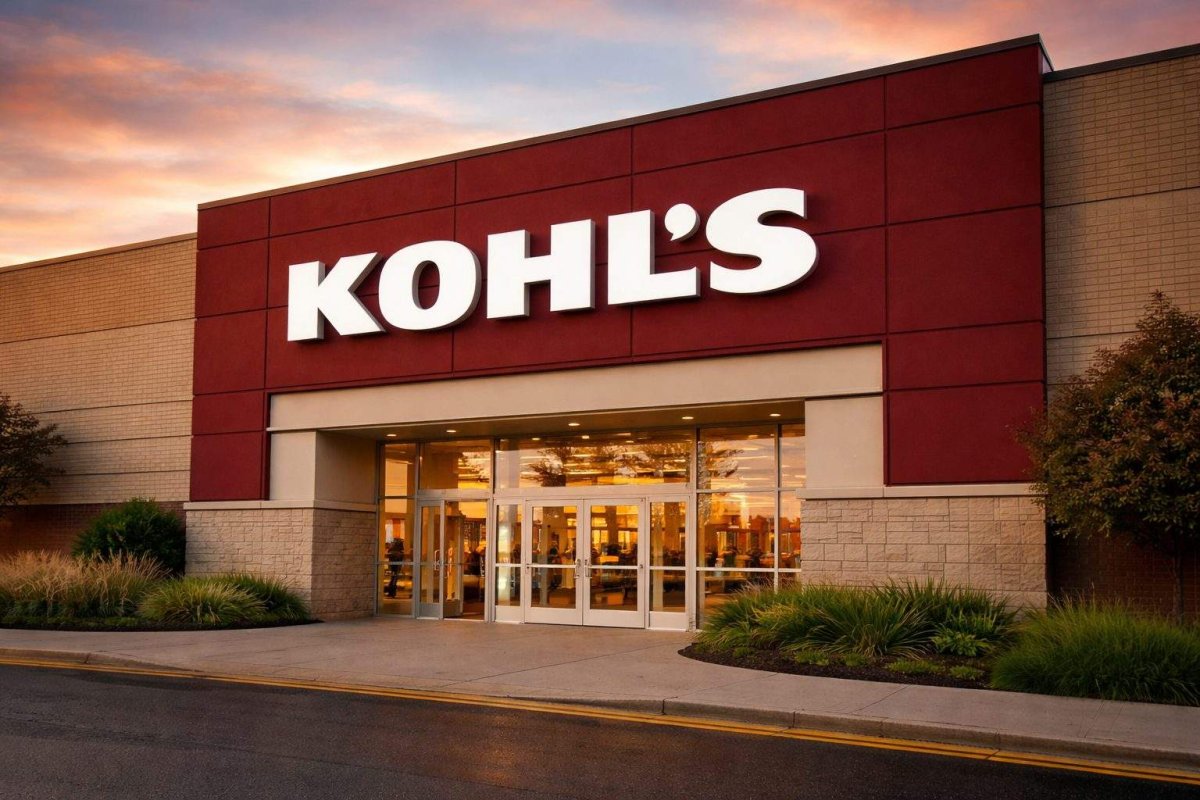
Kohl's Corporation has removed a store in Sault Ste. Marie, Michigan, from its location listings following its closure on March 14, 2026. This move reduces the department store chain's presence in the state to 44 locations, down from 46 stores a decade ago. The closure underscores the persistent challenges Kohl's faces in its ongoing business reset, as weak consumer traffic and competitive pressures weigh on performance.
Financial Performance and Market Share Erosion
In its most recent quarterly report, Kohl's disclosed a 2.8% decrease in comparable sales. Data from Placer.ai, cited by Reuters, indicated a 5% decline in store foot traffic for the October-through-December period. This contrasts sharply with off-price rival Ross Stores, which reported an 11.9% surge in customer visits over the same timeframe. Kohl's continues to cede ground to both e-commerce giant Amazon and value-focused brick-and-mortar competitors.
Chief Executive Officer Michael Bender acknowledged the strain on the retailer's core customer base. "Core low- to middle-income customers continue to face financial pressure and they are seeking value," Bender stated. This consumer shift toward discount retailers presents a significant headwind for Kohl's traditional department store model.
Strategic Moves and Analyst Skepticism
In response to these challenges, Kohl's has emphasized simplicity and value. In February 2026, the company launched a "Deal Bar" initiative across its stores, highlighting items priced at $10 or less, including seasonal décor and activity kits. Management has also committed to discontinuing underperforming products while focusing on core basics and competitive pricing.
Despite a recent profit beat, analysts remain cautious. David Silverman of Fitch Ratings attributed the improved margins to "good inventory and expense control," rather than evidence of stabilizing market share. Morningstar analyst David Swartz offered a blunt assessment, noting Kohl's struggles to stock merchandise that can draw customers away from discount rivals. He added that department stores "just don't have the relevance that they once did."
Store Footprint and Broader Restructuring
The Sault Ste. Marie location, which opened in March 2016 with approximately 80 employees, was described by the company as a minor part of its vast portfolio. As of January 2025, Kohl's operated over 1,100 stores across 49 states. The company previously identified 27 underperforming stores for closure in the spring of 2025, though that round did not affect Michigan. Additionally, Kohl's plans to shutter its San Bernardino e-commerce fulfillment center when its lease expires in May 2025—a move former CEO Tom Kingsbury called tough but necessary to strengthen the business.
CEO Bender has indicated there is no "grand plan" for widespread store closures or openings in the near term. The company's guidance for 2026 sales ranges from flat to a decline of up to 2%, reflecting ongoing uncertainty. The key risk, as highlighted last week, is that if shopper traffic remains weak through the spring season, recent margin improvements may prove insufficient.
Market Reaction and Outlook
Investor sentiment reflects the challenging environment. Kohl's stock was trading flat at $13.015 as of late morning on Tuesday, March 17, 2026. Shares have experienced significant volatility and remain far below the meme-fueled peaks seen in the previous year. The closure in Michigan serves as a tangible reminder of the pressures facing the retailer as it attempts to navigate a rapidly evolving retail landscape and execute a successful turnaround.