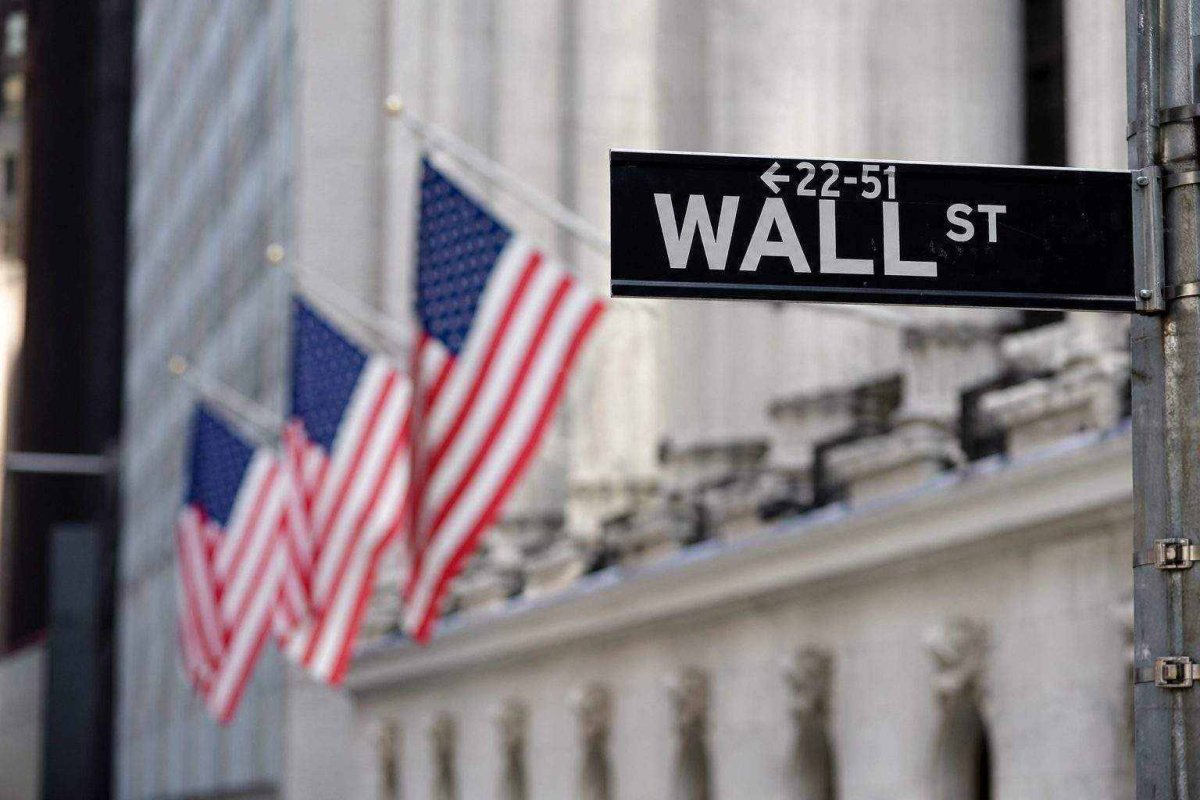
U.S. stocks climbed sharply on Thursday, with the Dow Jones Industrial Average surging 700 points to lead a broad market rally, as investors focused on robust corporate earnings and looked past renewed worries about oil prices and inflation. The rally put the S&P 500 and Nasdaq on track for their strongest monthly gains since 2020, underscoring a shift in market sentiment toward growth optimism.
Market Performance
By midday Thursday, the Dow had jumped 1.48% to 49,584.97, outpacing the S&P 500, which rose 0.55% to 7,174.95, and the Nasdaq Composite, which edged up 0.24% to 24,732.91. Gains were concentrated in industrial shares and a handful of mega-cap technology stocks, with the broader market hovering near all-time highs.
Earnings Drive Sentiment
Investors have been buoyed by a wave of strong first-quarter earnings reports that have offset concerns over elevated oil prices tied to geopolitical tensions. “The earnings side is winning so far,” said Angelo Kourkafas, senior global investment strategist at Edward Jones. Key contributors included Alphabet, whose Google Cloud revenue surged 63% to $20 billion, far exceeding Wall Street expectations. CEO Sundar Pichai highlighted enterprise AI offerings as the primary growth driver for the cloud division, positioning Google firmly in competition with Amazon Web Services and Microsoft Azure.
Caterpillar also delivered a standout performance, with first-quarter sales and revenue climbing 22% to $17.4 billion and adjusted profit per share rising to $5.54. CEO Joe Creed described the quarter as a “strong start,” pointing to a record backlog that underscored the machinery giant’s role as a bellwether for industrial growth.
Eli Lilly provided a boost to the healthcare sector, raising its 2026 earnings and sales outlook on strong demand for its GLP-1 drugs Mounjaro and Zepbound, both of which topped sales forecasts. Analyst Evan Seigerman at BMO Capital Markets said the results “put concerns to bed,” and shares of rival Novo Nordisk also rose.
Economic Data and Fed Policy
The rally came amid a mixed economic picture. First-quarter GDP grew at a 2.0% annual rate, rebounding from the previous quarter’s sluggish 0.5%, according to the Bureau of Economic Analysis. However, the Federal Reserve’s preferred inflation gauge, the core PCE price index, rose 4.3% annualized, indicating persistent price pressures. The Fed held its target rate range unchanged at 3.50% to 3.75% on Wednesday, citing persistent inflation partly driven by global energy prices. Three policymakers supported holding rates but pushed back against any easing bias, signaling that rate cuts are not imminent.
Labor market data provided additional support, with initial jobless claims falling by 26,000 to 189,000 for the week ended April 25, well below the 215,000 expected by economists. The data suggested that companies are maintaining payrolls despite rising energy costs and geopolitical risks.
Oil Prices and Geopolitical Risks
Despite the rally, oil prices remained elevated, with Brent crude trading near $110 per barrel after reaching as high as $114.70 overnight. Traders continue to monitor the fallout from the Iran war, and any further surge in oil could pressure consumers, raise business costs, and give the Fed more reason to hold off on rate cuts. For now, however, earnings are driving the narrative, keeping the rally on a tight leash as investors watch for companies to prove that AI investments, industrial orders, and prescription drug sales can offset higher energy costs and inflation.