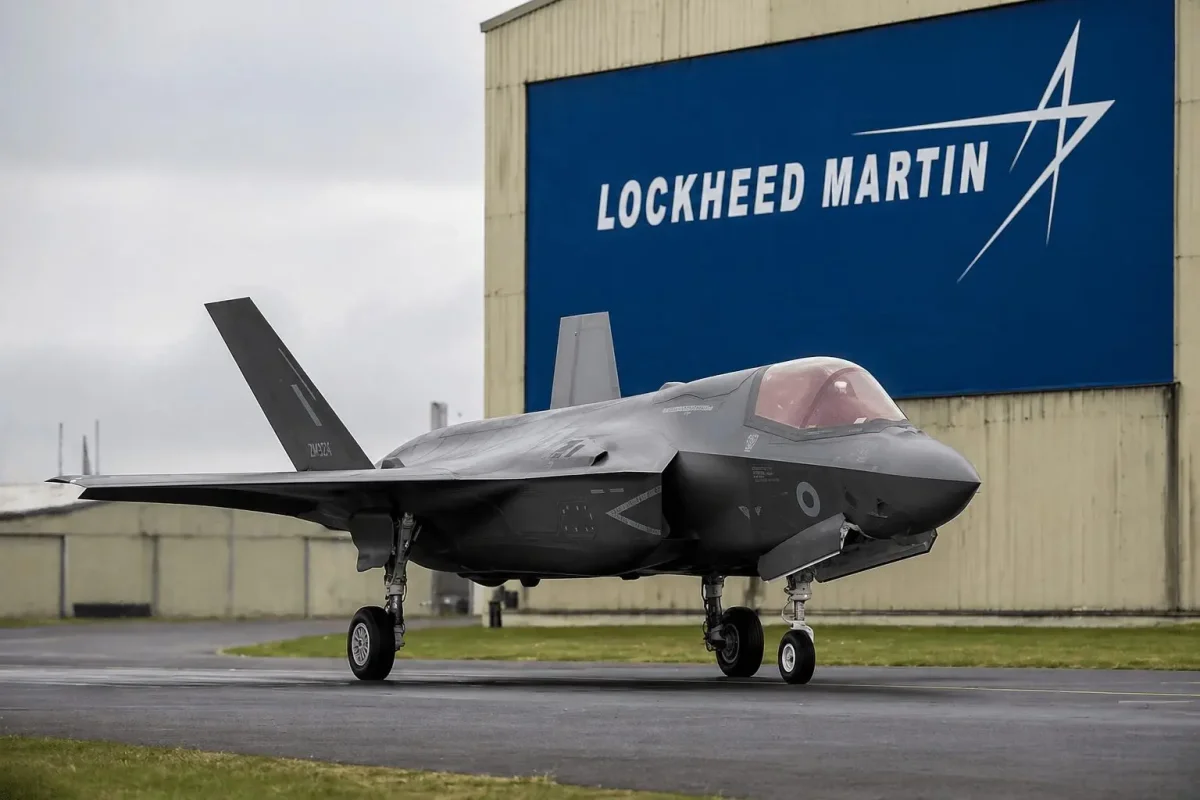
The U.S. Space Force has awarded Lockheed Martin a position in the prototype phase of the Golden Dome missile defense initiative, a program with an estimated total cost of $185 billion. This move places the defense contractor among a competitive group that includes SpaceX, Northrop Grumman, and Anduril, all vying for a share of up to $3.2 billion in prototype contracts. The awards were announced on April 26, 2026, by the Space Systems Command, which distributed 20 Other Transaction Authority agreements to 12 companies.
Background and Market Context
The Golden Dome program aims to enhance ground-based missile defenses with space-based interceptors, targeting missiles earlier in their flight. A first demonstration is planned for 2028. The initiative is a presidential priority under the Trump administration's fiscal 2027 defense budget, which also proposes increasing F-35 purchases to 85 jets per year. This policy tailwind positions Lockheed Martin to benefit from both missile defense and fighter sales, though the company faces execution challenges.
Financial Performance and Challenges
Lockheed Martin's selection comes after a disappointing first quarter. The company reported sales of $18.0 billion and net earnings of $1.5 billion, but free cash flow after capital expenditures was negative $291 million. Profit and cash flow were hurt by production delays on the F-16 program, parts shortages for the C-130, and cost overruns on fixed-price contracts. These issues squeezed margins and led to a 3.08% decline in Lockheed shares, which closed at $513.45 on Friday. The company also skipped share buybacks this quarter, responding to government pressure to invest in production capacity.
Industry and Competitive Landscape
The Golden Dome program is a prototype sprint, meaning future contracts could go to competitors if their solutions outperform or are more cost-effective. Lockheed Martin joins SpaceX, Northrop Grumman, and Anduril in the field, giving the Pentagon flexibility to manage suppliers as the program moves from design to hardware. The use of Other Transaction Authority agreements speeds up procurement and allows non-traditional defense contractors to participate.
CEO Commentary and Strategic Outlook
Lockheed CEO Jim Taiclet has emphasized the company's focus on ramping up munitions production, including Patriot missiles, THAAD, and PrSM, with framework agreements that could boost output to 3-4 times current rates. However, execution remains the key challenge. JPMorgan analyst Seth Seifman noted that management is aligning with customer demands, but the company must show it can deliver on schedule without further margin erosion.
Technical Details and Security
Technical specifics of the Golden Dome interceptor program remain scarce, as the Space Force is withholding details for operational security. The program is expected to be integrated into the broader Golden Dome setup by 2028, with a focus on countering increasingly nimble missile threats. Col. Bryon McClain, program executive officer for Space Combat Power, stressed that acquisition strategies must accelerate to keep pace.
Implications for Investors
While the Golden Dome award is a positive development for Lockheed Martin, it is not a cure-all. The company's weak quarterly results highlight persistent operational issues. Investors will be watching for improved execution in the coming quarters, as the prototype phase could lead to larger production contracts. The broader defense spending environment remains favorable, but Lockheed must navigate fixed-price contract risks and supply chain disruptions.