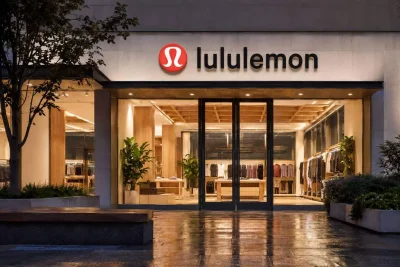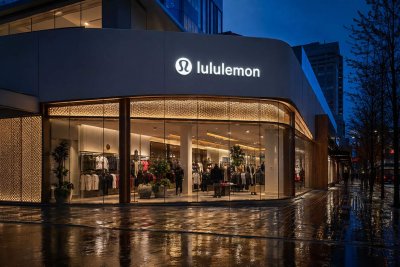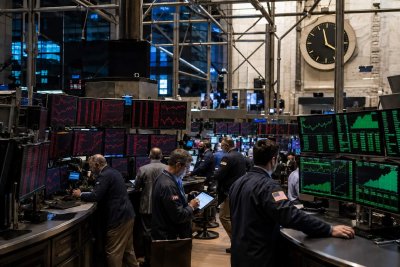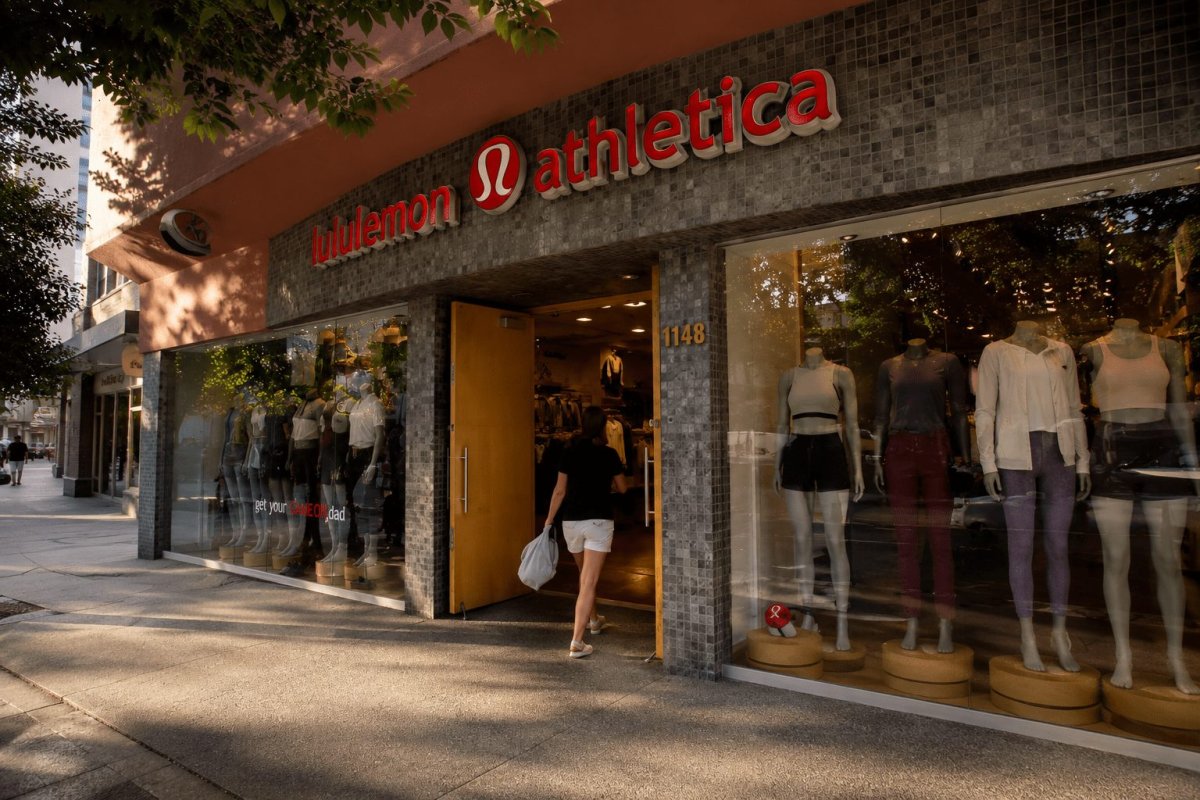
Lululemon Athletica shares fell 1.6% to $119.14 in late trading Friday, extending recent losses as the company navigates a leadership transition and a sharpening proxy battle with founder Chip Wilson. The decline brought the activewear retailer's market capitalization to approximately $14.1 billion.
Incoming CEO Heidi O'Neill, a former Nike executive set to take the helm on September 8, addressed employees for the first time at the Vancouver headquarters, delivering a message of resilience. According to Bloomberg, O'Neill told staff, "Some people have been underestimating me," and vowed to let the company's performance speak for itself. "We'll let the work answer," she said.
The leadership change comes at a critical juncture. O'Neill will not appear on the ballot at the company's annual meeting in June, leaving a gap in executive influence. Meanwhile, founder Chip Wilson is pressing shareholders to elect three of his director nominees—Marc Maurer, Laura Gentile, and Eric Hirshberg—using what he calls a GOLD proxy card. In a May 6 SEC filing, Wilson argued that the company has "lost its cool." Lululemon responded by stating it has engaged with Wilson in good faith and remains open to further dialogue.
Investor sentiment remains cautious, weighed by weak sales in the Americas and soft guidance for fiscal 2026. Fourth-quarter revenue rose just 1% to $3.6 billion, held back by a 4% decline in the Americas, even as international revenue surged 17%. For the full fiscal 2025, overall revenue increased 5% to $11.1 billion, with Americas sales falling 1% and international sales climbing 22%. The company projects 2026 revenue between $11.35 billion and $11.50 billion, with diluted EPS of $12.10 to $12.30. Interim co-CEO and CFO Meghan Frank highlighted improving full-price sales in North America as a key priority, aiming to reduce reliance on markdowns.
Wall Street reaction to O'Neill's appointment was swift and negative, with Lululemon shares dropping roughly 12% on the announcement, erasing nearly $2 billion in market value. Analysts expressed concerns that a Nike veteran might struggle to engineer a turnaround. BTIG's Janine Stichter noted that O'Neill's lengthy tenure at Nike coincided with challenges similar to those Lululemon now faces. BNP Paribas analyst Laurent Vasilescu suggested the retailer may need a "turnaround CEO" rather than a growth-focused leader. However, Telsey Advisory Group offered a more optimistic view, arguing that O'Neill brings strong product leadership and large-company experience that could help Lululemon balance innovation with global expansion.
The competitive landscape is intensifying, with newer U.S. brands like Alo Yoga and Vuori gaining traction. Nike itself has faced execution missteps and market share erosion. Should Lululemon's new products fail to resonate with U.S. consumers, deeper markdowns could follow, while tariffs and supply chain disruptions remain risks to gross margins. Management has flagged competition, shifting consumer preferences, tariffs, and changing sentiment as factors that could cause results to deviate from guidance.
International momentum provides some buffer as O'Neill prepares to take the reins. But with the proxy fight unresolved and the annual meeting approaching, investor focus has shifted from apparel to governance. The outcome of the board election will likely set the tone for Lululemon's next chapter, with O'Neill's ability to restore confidence still unproven.