LVMH Moët Hennessy Louis Vuitton SE shares traded lower in Paris early Wednesday, easing after a recent comeback that had pushed the stock close to €500. Investors weighed a new Buy reiteration from RBC while also considering the group's projected 2026 losses. Shares on Euronext Paris were at €489.90, down 0.49%, according to MarketScreener. LVMH is still up 6.3% over the past five sessions but off about 24% since the start of the year.
The stock had finished Tuesday at €492.30, a 2.04% gain, after rising 0.71% Monday, 1.04% Friday, and 2.88% last Thursday. However, by Wednesday morning, the five-day chart showed LVMH giving back some ground. No new operating update was issued, just a shift in tone from the previous day.
RBC is sticking with its bullish stance on LVMH. MarketScreener, quoting dpa-AFX Analyser, said Wednesday that RBC maintained a Buy rating on the stock with a €600 target price. That target represents where analysts believe shares may go, not a promise. LVMH no longer carries the same runaway-growth valuation it once did; MarketScreener's Euronext Paris page pegged its market cap at roughly €244 billion. The stock remains down double digits for the year despite the recent bounce.
In the past 24 hours, LVMH filed a regulatory note with the AMF, France's markets watchdog, detailing share transactions from June 1 to June 5. This was a standard compliance document, not related to trading. The company's last major update was its first-quarter report in April, which showed Q1 revenue of €19.1 billion, down 6% on a reported basis but up 1% organically. Organic growth excludes currency effects and consolidation changes; LVMH said exchange rates alone cut reported growth by 7 percentage points.
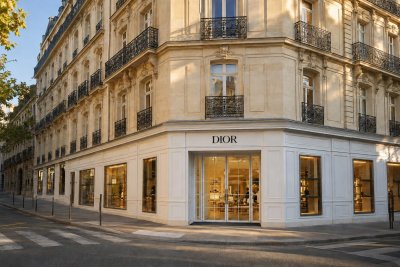
Fashion & Leather Goods, which includes Louis Vuitton and Dior, remains the key focus. That division generated €9.25 billion in Q1 sales, the largest among business groups, but revenue slid 2% organically and dropped 9% on a reported basis. Pricing and brand momentum are critical for the stock's valuation, so this figure carries outsized weight. Other divisions provided some offsets: Watches & Jewelry was up 7% organically, Selective Retailing added 4%, and Wines & Spirits gained 5%, boosted by champagne and a timing lift for cognac around Chinese New Year. Still, those moves have not alleviated concerns that the core fashion business is not yet showing clean growth.
Middle East tensions continue to weigh on sentiment, making it difficult for the market to trust the rebound. LVMH said the conflict hit March sales, dragging quarterly group organic growth down by around 1 percentage point after a good start to the year. Europe and Japan managed solid local demand, which helped offset weaker tourist spending. The issue extends beyond LVMH; in April, Reuters reported shares of Hermès dropped as much as 14% and Kering slid more than 9% on signs of weaker demand from the Middle East and fewer tourists.
Analysts are not outright bearish, but the mood has cooled. According to MarketScreener's consensus page, 27 analysts have a mean Outperform call and set a €590.08 average target price, with the lowest target at €456. The range highlights the divide: some expect LVMH's 2026 stumble to pass, while others see a more stubborn luxury slowdown. There is a risk that Wednesday's drop is more than just noise. If Gulf shopping hubs keep underperforming, Middle Eastern travel to Europe stays down, or euro strength continues to hurt the numbers, LVMH's slim 1% organic growth in Q1 could disappear. A miss in Fashion & Leather Goods would also make those higher target prices less credible.
LVMH's next major milestone is in July, when the group will report its 2026 first-half results according to its financial calendar. The focus will be on whether the Middle East headwind can subside and whether Louis Vuitton, Dior, and the Fashion & Leather Goods division can regain growth after holding steady.