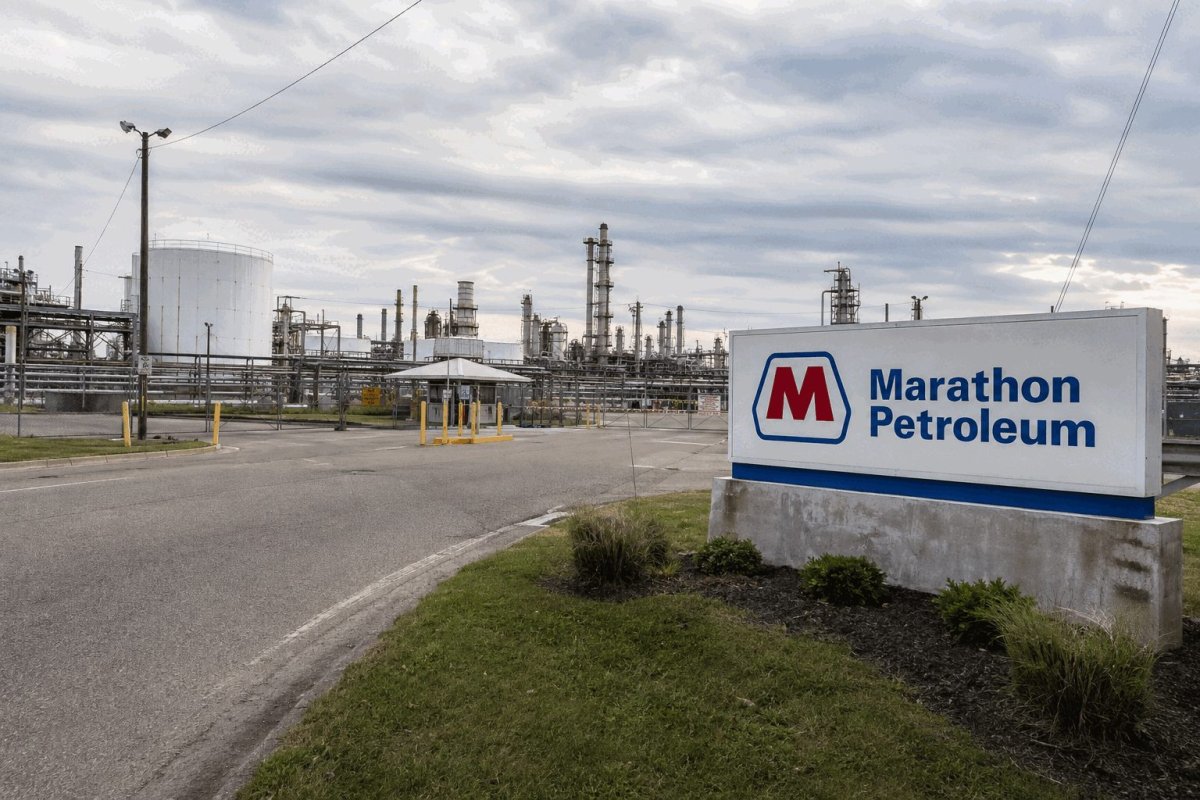
Marathon Petroleum Corporation (NYSE: MPC) experienced a slight pullback on Friday, with shares easing 0.7% to $353.94 by early afternoon trading. This dip comes on the heels of a remarkable 20% surge through Thursday, which had propelled the stock to levels significantly above most Wall Street forecasts. The recent rally has left the shares trading 13.3% higher than the consensus analyst target of $312.50, raising questions about whether the valuation has outpaced fundamentals.
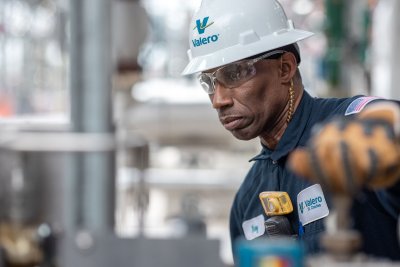
The week's gains were largely driven by a broader rally in U.S. refining stocks, fueled by geopolitical tensions that have tightened global refined product supplies. Marathon and its peers, including Valero Energy (NYSE: VLO) and Phillips 66 (NYSE: PSX), benefited from a surge in fuel prices relative to crude, with diesel crack spreads reaching record highs. Valero advanced 15% by Thursday, contributing to the sector's outperformance.
Strong Second-Quarter Results
Marathon's second-quarter earnings, reported earlier this month, underscored the strength of the refining environment. The company posted net income of $5.14 billion, a dramatic increase from $1.22 billion in the same period last year, representing a gain of approximately 321%. This performance comfortably exceeded the LSEG consensus estimate of $3.91 billion.
The refining and marketing margin more than doubled to $36.33 per barrel, up from about $18.17 per barrel a year earlier. This improvement was driven by tight global supply and robust demand for refined products. Even with a slight reduction in throughput—down to 2.9 million barrels per day from 3.1 million—the company's Gulf Coast facilities operated at full capacity, and overall system utilization reached 94%. Marathon anticipates maintaining this utilization rate in the current quarter.
Buyback Expectations and Capital Returns
TD Cowen analyst Jason Gabelman projects that Marathon and Valero will each repurchase approximately 20% of their market capitalizations by the end of 2027. "We think the buyback programs will continue to be pretty robust," Gabelman said. Marathon's capital returns have already been substantial, with the company returning $2.8 billion to shareholders in the second quarter, up 180% from $1.0 billion a year ago.
The combined profits of Marathon, Valero, and Phillips 66 reached $12.6 billion last quarter, with total buybacks and dividends amounting to $6.3 billion, a significant increase from $2.6 billion in the year-ago period. This trend underscores the sector's ability to generate substantial cash flow and return it to investors.
Renewable Diesel and Operational Highlights
Marathon's renewable diesel segment also showed marked improvement. Adjusted core profit climbed to $258 million, a sharp turnaround from a $19 million loss in the prior year. This was supported by improved margins, higher throughput, and regulatory credits. Chief Commercial Officer Rick Hessling noted that demand for gasoline, diesel, and jet fuel remained strong, though he acknowledged that margins have cooled from the peaks seen in the second and early third quarters.
The recent margin retreat is notable, especially after the diesel crack spread reached a record $93.84 per barrel on August 10. Typically, fuel demand tapers off seasonally as the market transitions from summer driving to winter heating, which could further pressure margins in the coming months.
Analyst Sentiment and Price Targets
Wall Street remains largely optimistic on Marathon Petroleum. Of 18 monitored firms, 12 have assigned a buy rating, while six suggest holding, and none recommend selling. The consensus price target stands at $312.50, which is 11.7% below the stock's closing price on Friday. However, several analysts have raised their targets recently: TD Cowen increased its target to $375 on August 5, and Wells Fargo set a new target of $359. Mizuho maintains a neutral stance with a target of $304.
The elevated valuation relative to consensus targets suggests that the market is pricing in continued strong performance. Risks remain, however. Refining margins could decline rapidly if global supply stabilizes, and fluctuations in crude prices, operational disruptions, or policy changes could impact cash flow. Geopolitical conflicts, while currently supporting margins, also introduce operational and demand-related uncertainties.
Overall, Marathon Petroleum continues to generate robust cash flow, and its current valuation reflects expectations that this performance will largely persist. Investors will be watching closely to see if the stock can justify its premium as the market navigates a complex and volatile refining environment.