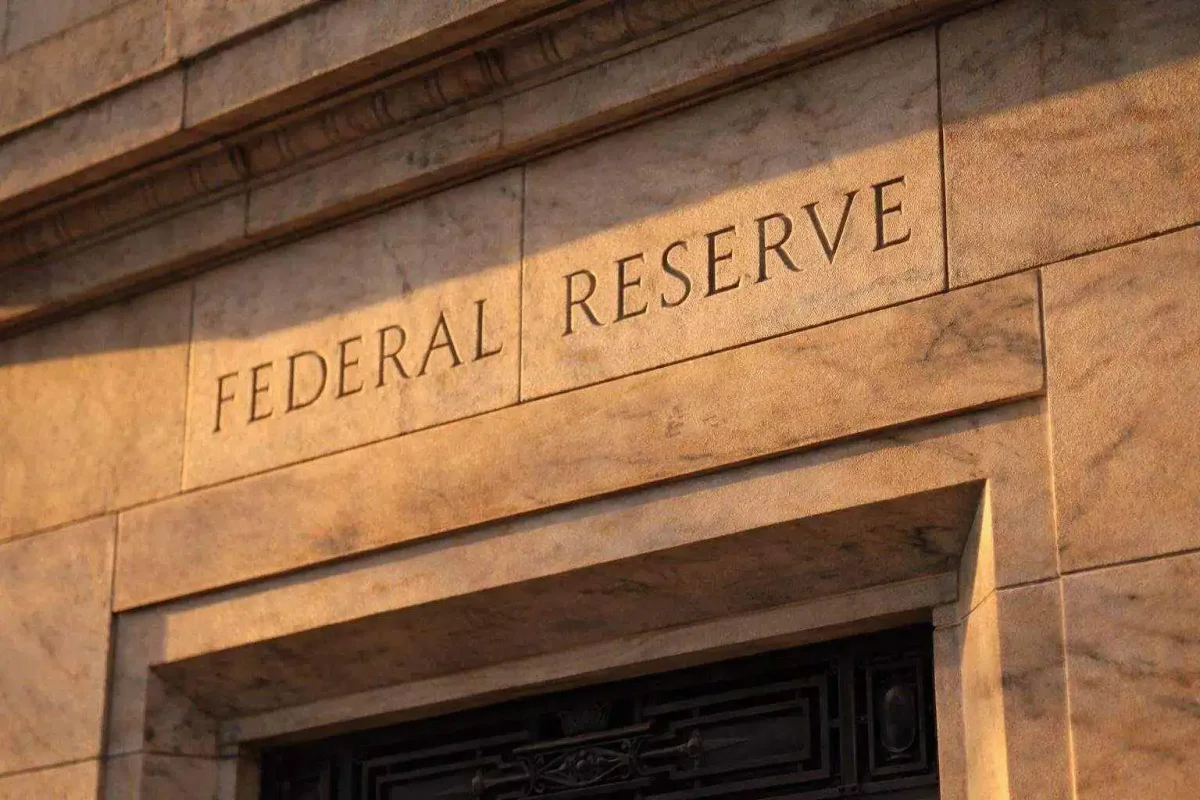
The Federal Reserve faces renewed inflationary pressure as the latest government data reveals a significant acceleration in consumer prices for March, casting doubt on the timeline for potential interest rate cuts. Despite recent moderation in wholesale inflation and oil prices, the persistent strength in key consumer categories presents a complex challenge for policymakers.
Inflation Data Presents Mixed Signals
According to the Labor Department, the Consumer Price Index (CPI) increased 0.9% in March from the previous month, translating to a 3.3% annual gain. The most dramatic component was a 21.2% monthly surge in gasoline prices, representing the largest single-month increase since record-keeping began in 1967. Overall energy costs advanced 10.9%, with gasoline accounting for nearly three-quarters of the total monthly CPI increase.
Beneath the headline numbers, some categories showed more moderate trends. The core CPI, which excludes volatile food and energy components, rose 0.2% for the month and 2.6% over the past year. Shelter costs increased 0.3%, while airline fares jumped 2.7% and apparel prices added 1.0%. Offsetting these gains, food-at-home prices declined 0.2% and used vehicle costs edged down 0.4%.
Policy Implications and Fed Communications
The timing of this inflation report creates particular complications for Federal Reserve officials, who are scheduled to convene for their policy meeting on April 28-29. Just one day after that meeting concludes, the central bank's preferred inflation gauge—the Personal Consumption Expenditures (PCE) index—will be released on April 30. Economists anticipate the core PCE measure may have accelerated to approximately 3.2% year-over-year, which would mark its highest level in two years.
Chicago Fed President Austan Goolsbee has warned that if elevated oil prices persist and inflation remains stubbornly above the Fed's 2% target, the initiation of rate cuts could be delayed until 2027. This contrasts with more optimistic assessments, including from former Treasury Secretary Janet Yellen, who still sees potential for a single rate reduction this year, though she characterizes the economic impact of ongoing conflicts as a "broad supply shock."
Producer Prices and Commodity Dynamics
Tuesday's separate report on producer prices offered a somewhat contrasting picture, with wholesale inflation rising 0.5% in March, below the 1.1% forecast. Analysts noted that some tariff-related pressures appeared to be easing, though most economists remain focused on the consumer-side data as more indicative of persistent inflationary trends.
Energy markets have shown recent volatility, with Brent crude declining for two consecutive sessions to settle near $94.63 per barrel, while U.S. crude hovered around $90.58. Traders are monitoring potential diplomatic developments between the U.S. and Iran, though shipping disruptions in the Strait of Hormuz continue, and Washington maintains restrictions on Iranian oil exports.
Broader Economic Context and Risks
The inflation dilemma extends beyond U.S. borders. The International Monetary Fund recently revised its global growth projection for 2026 downward to 3.1%, assuming contained geopolitical conflicts, while warning of more severe consequences if energy supplies remain unstable. European Central Bank President Christine Lagarde has indicated it's premature to determine whether the eurozone will require tighter monetary policy to counteract rising fuel costs.
Market participants are closely watching the interplay between energy costs and broader economic impacts. Economists caution that if current diplomatic efforts falter and transit conditions worsen, rising expenses for jet fuel, diesel, fertilizers, and plastics could translate into higher prices for airline tickets, shipping fees, and consumer goods in coming months.
Market Outlook and Forward Guidance
The March CPI report has fundamentally altered expectations for the coming weeks. Investors are now focused on the Federal Reserve's late-April meeting, followed by the April 30 PCE data release and the subsequent CPI report scheduled for May 12. These indicators will help determine whether inflationary pressures remain concentrated in energy categories or are spreading more broadly throughout the economy.
Financial analysts describe the current policy discussion as reaching an "awkward spot," with some officials even suggesting that "rates could go up" if economic conditions deteriorate further. The coming weeks will be critical for assessing whether the March inflation surge represents a temporary shock or the beginning of a more sustained trend that could delay monetary policy normalization.