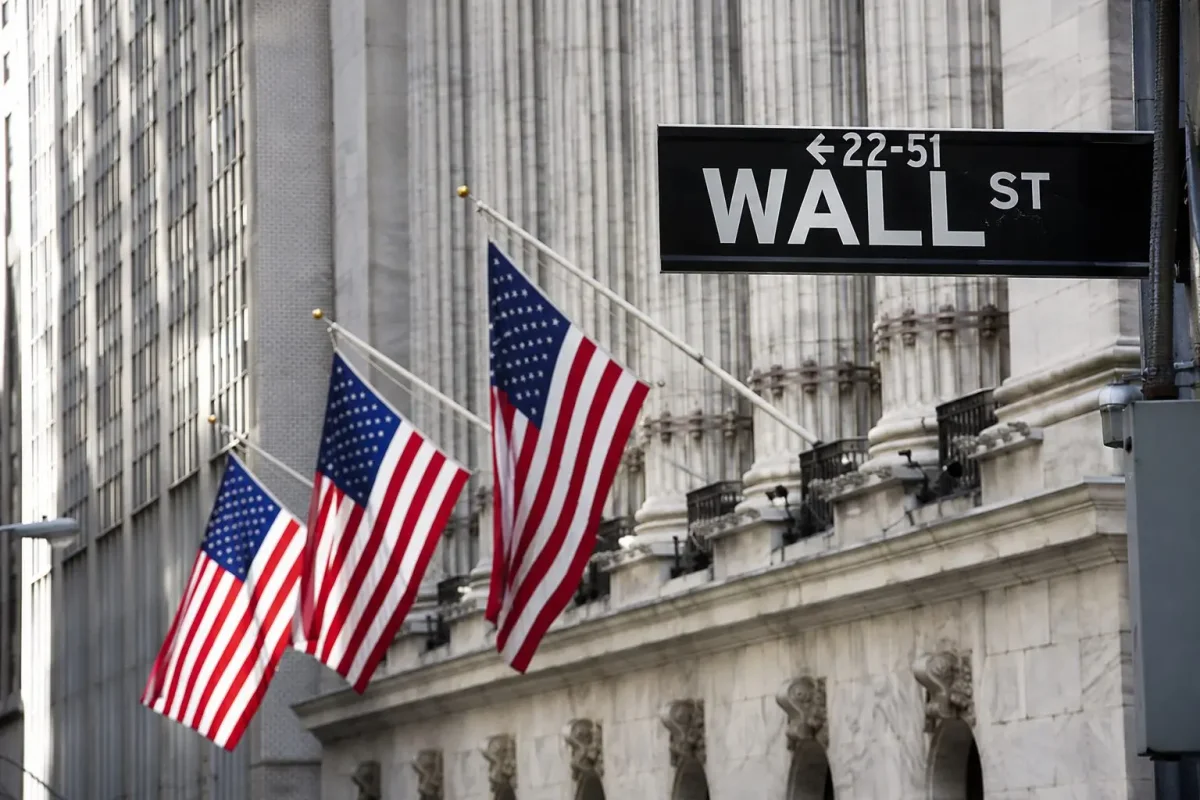
U.S. equity markets experienced a mixed session on Friday, with the Dow Jones Industrial Average climbing 176 points while the Nasdaq Composite remained nearly flat. The S&P 500 edged up 0.21%, as investors weighed falling oil prices and geopolitical developments against lingering inflation concerns and a busy upcoming week for central bank policy.
Crude oil prices continued to retreat, with Brent crude falling 0.9% to $89.53 per barrel, according to the Associated Press. The decline followed reports of a potential peace deal in the Middle East that could reopen the Strait of Hormuz, easing supply fears. Lower oil prices have helped reduce inflationary pressures that have weighed on corporate costs and consumer sentiment this year.
The highlight of the trading session was the highly anticipated SpaceX initial public offering on the Nasdaq. Shares opened at approximately $174, representing a 30% premium over the $135 IPO price and valuing the company at roughly $2 trillion. However, only 3% to 4% of shares will initially trade, a limited float that could amplify volatility. Jay Woods of Freedom Capital Markets noted that while top IPOs often experience an "initial surge," they typically "give some of those gains back" in subsequent trading.
Technology stocks remained volatile, with AI-related names particularly active. Advanced Micro Devices (AMD) jumped 7% after Citigroup upgraded the stock to "buy" from "neutral." However, mega-cap tech stocks faced headwinds, as Amazon and Microsoft both declined. Adobe also fell after the departure of CFO Dan Durn raised concerns about the company's strategic direction, even as the firm raised its full-year revenue and profit outlook.
Consumer sentiment showed signs of improvement, with the University of Michigan's Consumer Sentiment Index rising to 48.9 in early June from May's record low of 44.8, surpassing the 46.0 forecast. One-year inflation expectations dipped to 4.6% from 4.8%. Joanne Hsu, director of the Surveys of Consumers, noted that while cheaper gasoline provides some relief, "it doesn't make inflation go away in households."
Looking ahead, the Federal Reserve's Federal Open Market Committee meeting scheduled for June 16-17 is set to be the next major catalyst for markets. The meeting will include updated economic projections, and investors will scrutinize any changes in the Fed's outlook for inflation, growth, and interest rates. Higher rates tend to reduce the present value of future profits, disproportionately affecting high-growth stocks.
On the bullish side, lower oil prices, solid corporate earnings, and robust AI revenue continue to support the market. Goldman Sachs Research raised its year-end 2026 S&P 500 target to 8,000, citing improved earnings forecasts. FactSet estimates second-quarter S&P 500 earnings growth of 21.7% year-over-year. However, bears point to elevated valuations: the S&P 500's forward 12-month P/E ratio stands at 21.1, above the five-year average of 19.9 and the 10-year average of 19.0, suggesting that U.S. stocks are more fairly valued or even risky rather than cheap.
Key risks remain, including a potential spike in oil prices, a hawkish shift from the Fed, or another shakeout in AI stocks. Investors will closely monitor the outcome of the Fed meeting and ongoing geopolitical developments for direction in the coming weeks.