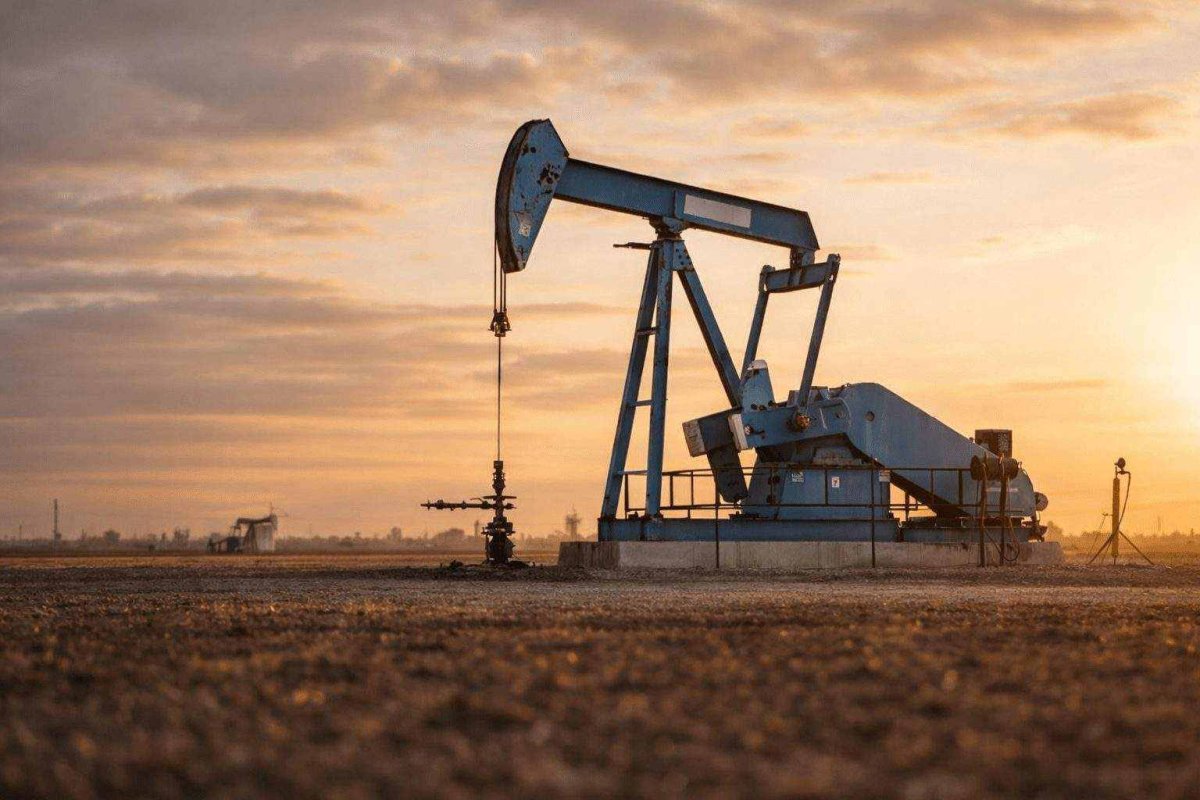
Global financial markets experienced a sharp reversal on Monday morning as geopolitical tensions in the Middle East showed signs of de-escalation. Brent crude oil futures plummeted as much as 15%, briefly touching $96 per barrel, while West Texas Intermediate crude fell to $85.28. The dramatic sell-off in the energy complex came after former President Donald Trump announced a five-day hold on planned U.S. strikes targeting Iranian power plants and critical energy infrastructure.
Equity Futures Surge on De-escalation Hopes
The reprieve from immediate conflict triggered a powerful risk-on rally in pre-market trading. Futures tied to the Dow Jones Industrial Average jumped 1.42% by 8:03 a.m. Eastern Time. The S&P 500 and Nasdaq Composite futures followed closely, gaining 1.30% and 1.29%, respectively. Investors rapidly unwound some of the defensive positions built over the weekend, which had priced in a significant disruption to global oil flows through the critical Strait of Hormuz.
Trump cited "productive talks" with Tehran as the reason for the delay, though Iranian officials, via the Fars news agency, subsequently denied any direct or indirect negotiations with Washington. The situation remains fluid, with Israeli troops reported to be conducting ongoing operations inside Iran. The President's decision was reportedly influenced by Iran's explicit threat to retaliate against Israeli power plants and U.S. facilities in the Gulf region if its own grid was targeted.
Sector Performance Diverges Sharply
The market relief was not evenly distributed across sectors. Major oil producers Exxon Mobil (XOM) and Chevron (CVX) traded more than 1% lower in pre-market activity, pressured by the steep decline in crude prices. Occidental Petroleum (OXY) saw a more pronounced drop of 4.5%. In contrast, airline stocks, which are highly sensitive to fuel costs, soared. American Airlines (AAL) and United Airlines (UAL) each advanced over 4%. Financial giants JPMorgan Chase (JPM) and Goldman Sachs (GS) also traded firmer, benefiting from the improved macroeconomic outlook.
Fatih Birol, the head of the International Energy Agency (IEA), underscored the severity of the ongoing energy crisis, calling it worse than the combined impact of the 1970s oil shocks and the fallout from Russia's war in Ukraine. He pointed to a staggering loss of 11 million barrels per day from global flows. "The single most important solution," Birol emphasized, "is reopening Hormuz." The IEA confirmed it is in discussions with member governments about potential further releases from emergency petroleum stocks, following an unprecedented 400-million-barrel drawdown earlier in the month.
Goldman Sachs analysts adjusted their outlook late Sunday, raising their 2026 Brent crude price forecast to $85 per barrel from $77. However, they cautioned that prices could skyrocket to $135 if physical supplies sustain a serious, prolonged hit. The investment bank highlighted that the threat of a broader conflict has not vanished. Iran's Defence Council warned that any strike on its southern coast or islands would trigger the deployment of sea mines across key Gulf shipping lanes, potentially creating disruptions well beyond the Strait of Hormuz.
Volatile Weekend Sets the Stage
The Monday morning calm followed a weekend of extreme volatility. At one point, Brent crude futures spiked to $113 before settling around $111 late Sunday, following a 48-hour ultimatum from Trump. U.S. gasoline prices edged toward $4 per gallon as fears mounted. "The belief the war would end quickly was quickly falling apart," noted Michael McCarthy, chief executive of trading platform Moomoo.
Four weeks after hostilities began on February 28, the death toll has surpassed 2,000. Before Monday's sharp correction, Brent had climbed roughly 55% from its late-February level. Data from Kpler indicates U.S. crude exports could hit a record 4.6 million barrels per day this March, a sign the world's largest producer is being drawn deeper into the global market turmoil.
Market analysts suggest the focus now shifts to two critical signals for sustained stability: confirmation that genuine diplomatic negotiations are underway and tangible evidence that commercial shipping is moving through the region with fewer constraints. In the absence of both, Monday's market bounce may be viewed as a temporary respite rather than a durable solution to the underlying crisis.