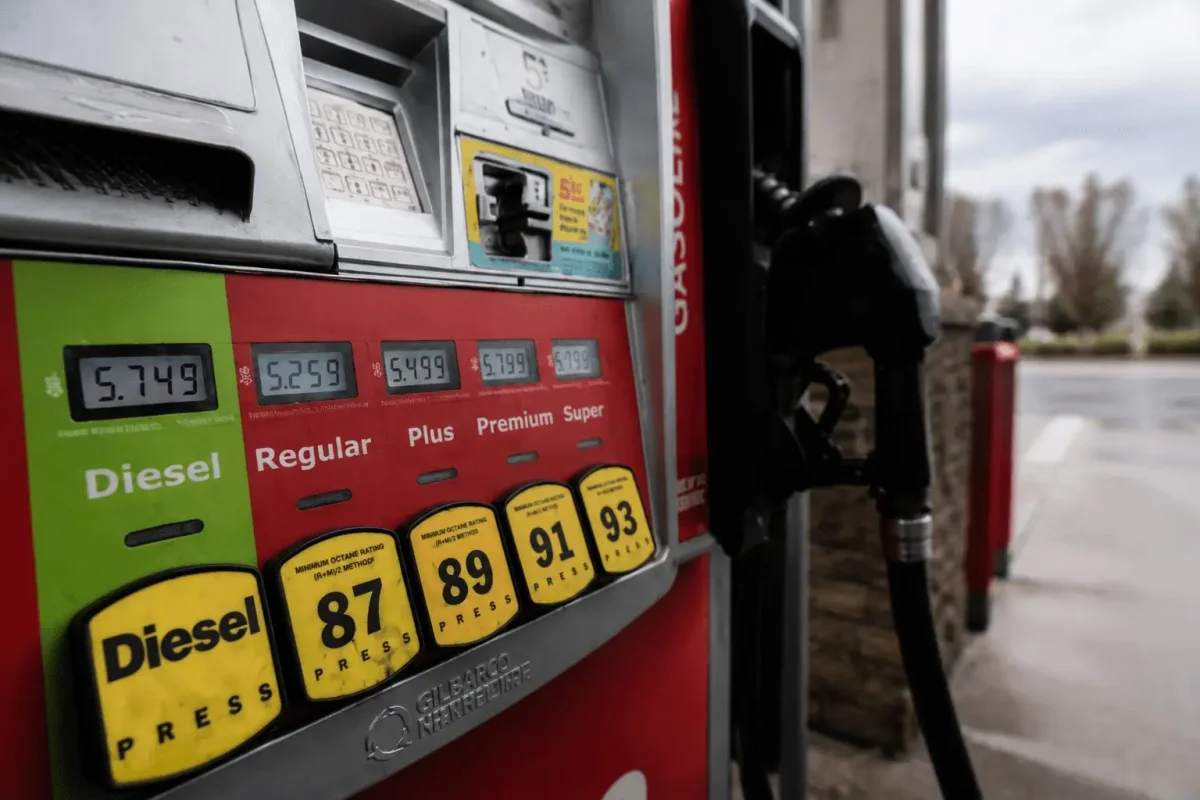
The latest AAA data shows U.S. regular gasoline averaged $4.546 per gallon on Friday, May 8, 2026, hovering just below the highest levels seen since 2022. Prices have edged down a penny from Thursday but remain 15 cents higher than last week and a staggering $1.39 above the same period last year.
This persistent pressure at the pump comes as the United States enters the peak summer driving season, with fuel inventories running low and crude oil prices hovering near the $100 per barrel mark. The key bottleneck remains the Strait of Hormuz, a narrow waterway through which roughly 20% of the world's crude oil passes. Ongoing military clashes in the region have severely restricted tanker traffic, keeping supply chains under constant threat.
Oil Markets Remain Volatile
Brent crude edged up 22 cents to $100.28 per barrel at 0947 GMT on Friday, after earlier jumping as much as 3%. U.S. West Texas Intermediate (WTI) crude ticked 5 cents higher to $94.86. Despite these modest gains, both benchmarks are on track for weekly losses exceeding 7%, as markets digest reports of potential progress toward a U.S.-Iran peace agreement.
However, analysts caution that any relief at the pump will be slow in coming. Patrick De Haan, head of petroleum analysis at GasBuddy, told Axios that only about one-third of the wartime price surge might unwind over the next one to three months if a deal is reached. He does not expect prices to return to pre-war levels until "early to mid-2027."
Supply Chain Disruptions Persist
Reuters reports that both commercial inventories and emergency strategic reserves have been drawn down to cushion the impact of supply disruptions. TotalEnergies CEO Patrick Pouyanne warned that the market could emerge from the crisis with "very low inventories," while Equinor's Anders Opedal estimates it will take at least six months for operations to normalize even if peace is achieved.
The stickiness of retail gasoline prices is partly explained by a well-documented phenomenon economists call "rocket and feathers"—prices shoot up quickly when crude spikes but drift down slowly when oil retreats. Severin Borenstein of UC Berkeley confirmed to the Los Angeles Times that this behavior is "alive and well" in the current market.
Regional Disparities in Gulf Supply
The United Arab Emirates has managed to push several crude tankers through the Strait of Hormuz with their location trackers turned off, according to Reuters, working with buyers to keep cargoes moving. In contrast, Iraq, Kuwait, and Qatar have either paused sales, lowered prices, or rerouted shipments. Abu Dhabi state giant ADNOC declined to comment on the tanker movements.
Markets may have become overly optimistic about a quick resolution. "Questions over Gulf supply, inventories and post-settlement sanctions cannot be answered until there is a long-term solution," said John Evans of PVM Oil Associates. Vandana Hari of Vanda Insights described an "optimism-biased market" that keeps latching onto any signs of a thaw.
For U.S. motorists, the immediate outlook remains challenging. Bob Kleinberg of Columbia University told the Associated Press that the relationship between crude and gasoline prices is "not much of a mystery," but any drop at the pump will likely lag behind improvements in the oil market. The national average for regular gasoline currently stands 52% above its level before the Iran conflict began, according to AP data.