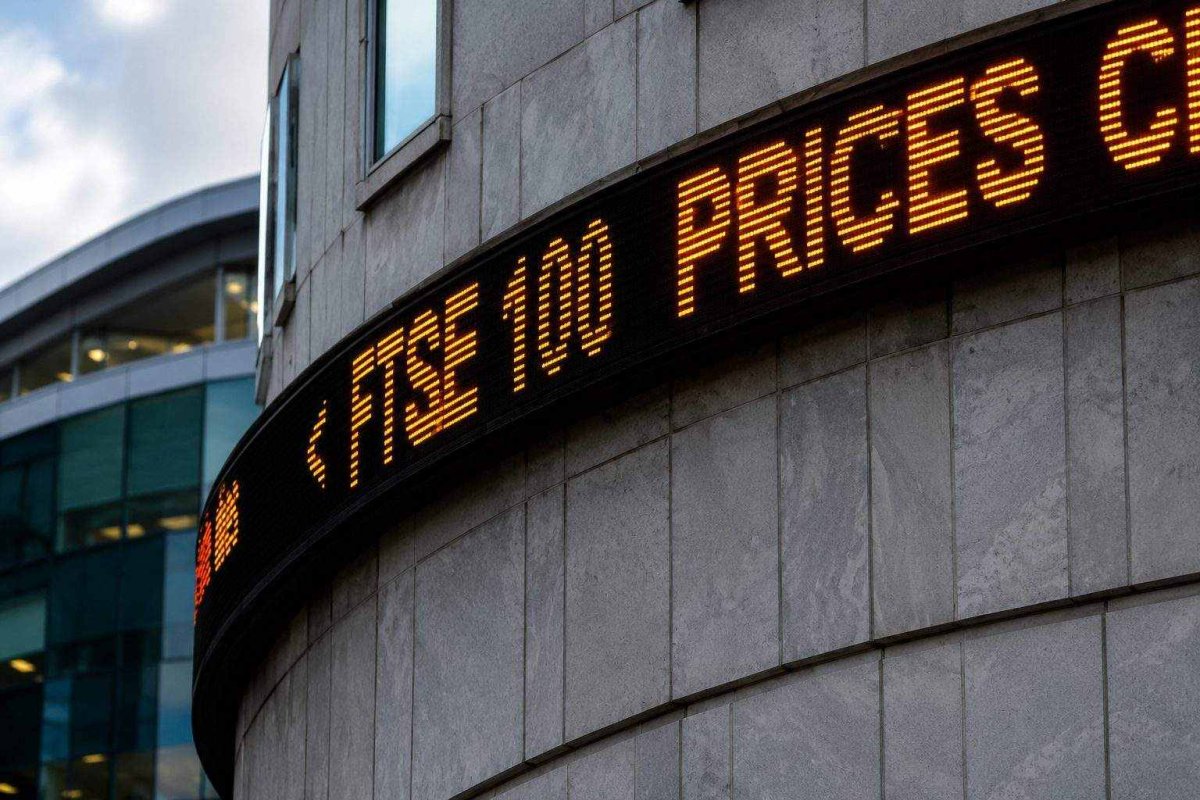
The FTSE 100 declined 0.75% to 10,200.29 in early Friday trading, marking its second consecutive session of losses. The blue-chip index was pressured by escalating geopolitical tensions and domestic political uncertainty.
Brent crude oil surged past $100 a barrel, reaching $100.84 in London trade, up from $97.76 late Thursday. The spike followed renewed clashes between the U.S. and Iran, stoking concerns over energy supply and adding to inflationary pressures across global markets.
In the UK, the Labour Party's significant losses in local elections injected a fresh dose of political risk, weighing on sterling and gilts. The pound edged up 0.21% to $1.3578, while the yield on 10-year gilts slipped 2.5 basis points to 4.92%. Long-dated borrowing costs remained near three-decade highs, with the 30-year gilt yield steady at 5.632%.
Derren Nathan, head of equity research at Hargreaves Lansdown, noted that a potential change in Labour leadership was "undermining confidence in the UK's fiscal health." However, Kallum Pickering, chief economist at Peel Hunt, suggested the weak election showing was "priced in" and pushed back against market expectations of further rate hikes, arguing a hold-and-cut scenario later this year was possible.
Airlines were among the hardest hit. British Airways parent IAG cut its outlook for annual profit, free cash flow, and capacity, blaming a spike in jet fuel prices and supply disruptions linked to the Iran conflict. The group remains 70% hedged on fuel through 2026, but CEO Luis Gallego stated there were "no issues with fuel availability" in IAG's major markets. IAG joins Air France-KLM and easyJet in highlighting the squeeze from higher fuel costs.
Defence stocks also came under pressure, with Babcock, Rolls-Royce, and BAE Systems all declining at the open. Shell slipped, while BP managed a slight gain. On the positive side, BT climbed after JPMorgan raised its price target and retained an "overweight" call, and Vodafone inched higher on news of its share buyback.
The sell-off extended across Europe, with the pan-European STOXX 600 index falling 0.8% to 611.69, Germany's DAX dropping 0.9%, and London's FTSE 100 off by 0.5%. Jim Reid at Deutsche Bank noted that "markets have slipped back" as investors weighed doubts over the durability of the U.S.-Iran ceasefire, adding that markets "still aren't pricing in the worst-case scenario."
Looking ahead, traders face the prospect of both geopolitical and political shocks persisting longer than anticipated. A sustained rise in oil prices would continue to pressure airlines, retailers, and bonds sensitive to inflation, while a drawn-out Labour leadership battle could further drag on UK assets. A lasting ceasefire would provide the most relief, but Friday's moves suggest markets are not betting on that outcome yet.