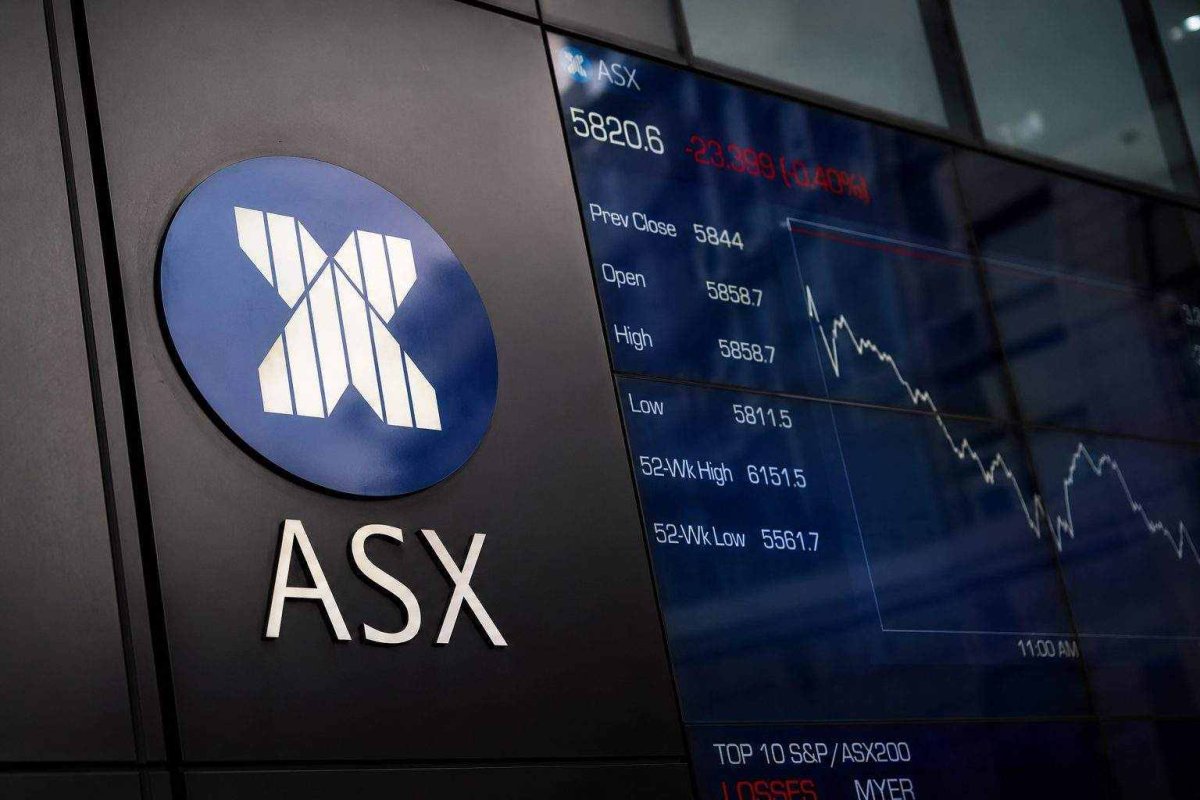
The Australian stock market experienced its most significant single-day decline in nearly two months on Friday, with the S&P/ASX 200 index dropping 133.7 points, or 1.51%, to settle at 8,744.40. The sell-off, which wiped out close to A$50 billion in market value, was triggered by escalating geopolitical tensions in the Middle East.
Oil Shock and Geopolitical Risks
Renewed clashes between the United States and Iran shattered hopes for a diplomatic resolution, sending Brent crude oil prices surging above $100 a barrel. The conflict has raised concerns about the safety of the Strait of Hormuz, a critical chokepoint for global oil and liquefied natural gas flows. Investors fled risk assets, dragging down nearly every sector of the market.
The sell-off followed the Reserve Bank of Australia's decision earlier in the week to raise the cash rate by 25 basis points to 4.35%. The RBA highlighted that inflation remains above its target and warned that risks are tilted to the upside, adding pressure on interest-rate-sensitive sectors like banking.
Banking Sector Hit Hard
The banking sector was the worst performer, declining 2.3% as a group. Westpac (WBC) led the losses, falling sharply as the stock traded ex-dividend, meaning new buyers missed out on the latest payout. The other major banks—Commonwealth Bank (CBA), National Australia Bank (NAB), and ANZ (ANZ)—closed between 1.5% and 2.9% lower. The combination of a hawkish RBA and a weaker macroeconomic outlook weighed heavily on financial stocks.
Miners and Energy Stocks Decline
Mining stocks also retreated, pressured by softer metal prices. BHP Group (BHP) fell 1%, Rio Tinto (RIO) gave up 0.8%, and Fortescue (FMG) declined 0.7%. The materials sector faced similar growth concerns as the banks, with investors reducing exposure amid global demand uncertainty.
Energy stocks slipped 1.6% despite the spike in crude oil prices. The decline reflected a broader risk-off sentiment, as traders trimmed positions across the board on worries about demand and policy risks. The disconnect between higher oil prices and falling energy shares underscored the market's focus on potential economic fallout from the conflict.
Macquarie and Tabcorp in Focus
Macquarie Group (MQG) initially hit a record high after reporting a full-year net profit of A$4.85 billion, comfortably beating the Visible Alpha consensus of A$4.39 billion. The strong result was driven by its commodities and global markets division. However, the stock gave up its early gains and closed lower as the broader market rout overwhelmed the positive earnings surprise.
Tabcorp (TAH) plunged an additional 14.2%, compounding a 23% drop from the previous session. The company disclosed that AUSTRAC has initiated an enforcement investigation into its compliance with anti-money laundering and counter-terrorism financing regulations. CEO Gillon McLachlan stated that Tabcorp intends to work constructively with the regulator.
Market Outlook
Despite Friday's sharp decline, the ASX 200 managed a modest 0.2% gain for the week, though it retreated from record highs set in early March. The outlook remains uncertain, with oil prices and geopolitical developments likely to dictate near-term direction. AMP chief economist Shane Oliver warned that an extended closure of the Strait of Hormuz could deliver a significant blow to both the global and Australian economies.
Investors now face a challenging environment marked by elevated oil prices, a more hawkish central bank, and increased geopolitical risk. The margin for error is slim, and any further escalation could trigger additional selling pressure.