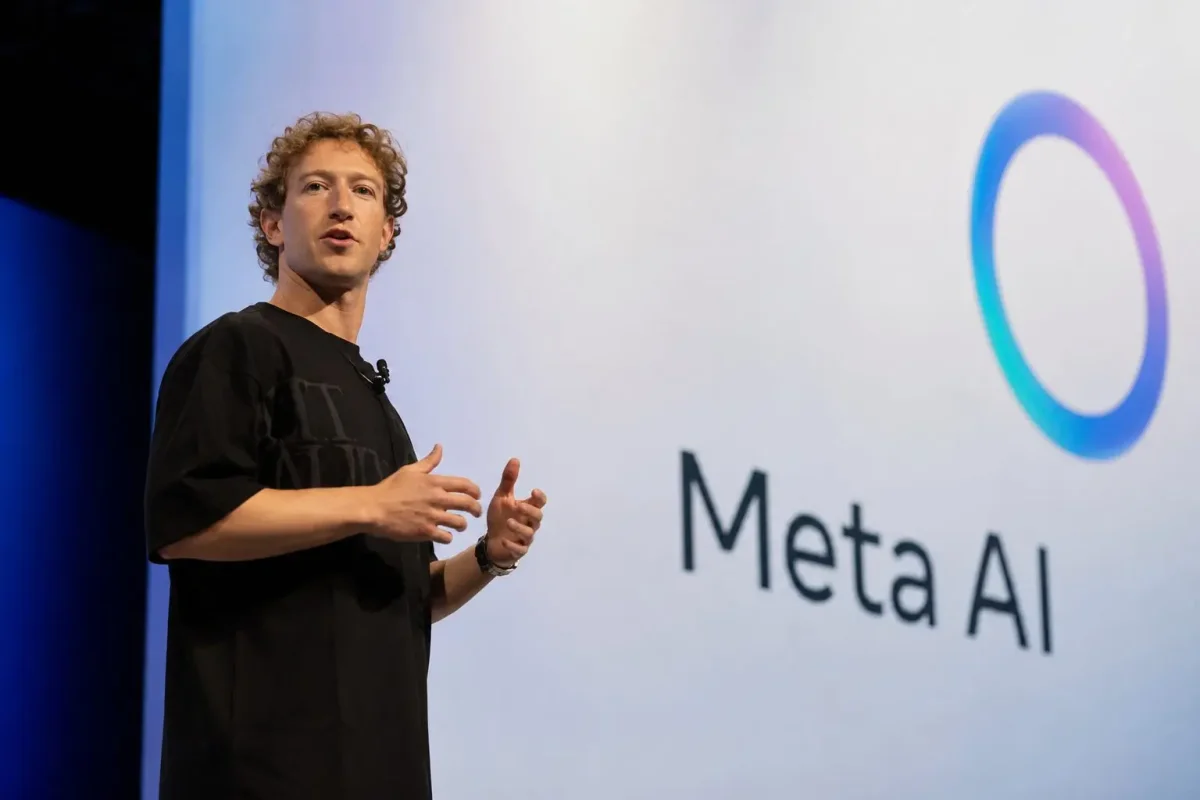
In a significant restructuring move, Meta Platforms (NASDAQ: META) has eliminated approximately 8,000 positions and reassigned thousands of employees to artificial intelligence initiatives, representing about 10% of its global workforce. The layoffs, which took place on May 20, 2026, come as CEO Mark Zuckerberg doubles down on the company's AI ambitions while seeking to streamline operations.
Zuckerberg informed staff in an internal memo that he does not anticipate further company-wide job cuts for the remainder of the year. However, some employees expressed skepticism, noting that the phrasing left room for more targeted reductions at the team or departmental level, according to reports from Reuters and Business Insider.
The job cuts are part of Meta's broader strategy to defend its core advertising business while investing heavily in artificial intelligence infrastructure. The company raised its 2026 capital expenditures forecast to a range of $125 billion to $145 billion, up from the previous estimate of $115 billion to $135 billion, as disclosed alongside first-quarter earnings. These expenditures cover data centers, servers, and finance leases.
Meta is simultaneously moving over 7,000 employees into new AI-focused projects, underscoring the company's pivot toward generative AI and machine learning technologies. The restructuring reflects a leaner operational model aimed at balancing cost discipline with aggressive investment in next-generation computing.
Severance packages for U.S.-based affected workers include at least 16 weeks of base pay, with an additional two weeks for each year of service, plus 18 months of healthcare coverage for employees and their families. International staff will receive varying severance terms based on local regulations and practices.
Industry analysts have noted the connection between Meta's workforce reductions and its escalating AI spending. Jason Schloetzer, a professor at Georgetown University's McDonough School of Business, described the company's communication as "cold." Gil Luria, a technology analyst at DA Davidson, remarked that Meta's message is clear: cost cuts—primarily from headcount—are necessary to fund AI infrastructure.
Meta's restructuring places it alongside other tech giants such as Microsoft, Google, and Salesforce, which have also implemented job cuts or efficiency measures tied to automation and AI. However, Meta has been more explicit in linking its reductions directly to its spending priorities.
The company acknowledged the risks associated with its capital-intensive AI strategy, warning that significant upfront investment may not yield immediate returns. Legal and regulatory challenges in the U.S. and Europe could also impact financial results, Meta noted in its earnings release.
In an attempt to maintain morale, Zuckerberg emphasized that AI represents the key technological shift for the sector, though he cautioned employees that success is not guaranteed despite Meta's strong position in apps, advertising, and infrastructure. The memo admitted that the company had not communicated as clearly as it should have during the transition.
Some employees turned to humor as a coping mechanism. One staffer launched an internal radio station called "520 FM," referencing the May 20 layoff date, which played AI-generated songs about job cuts and workplace anxiety, as reported by India Today and The New York Times.