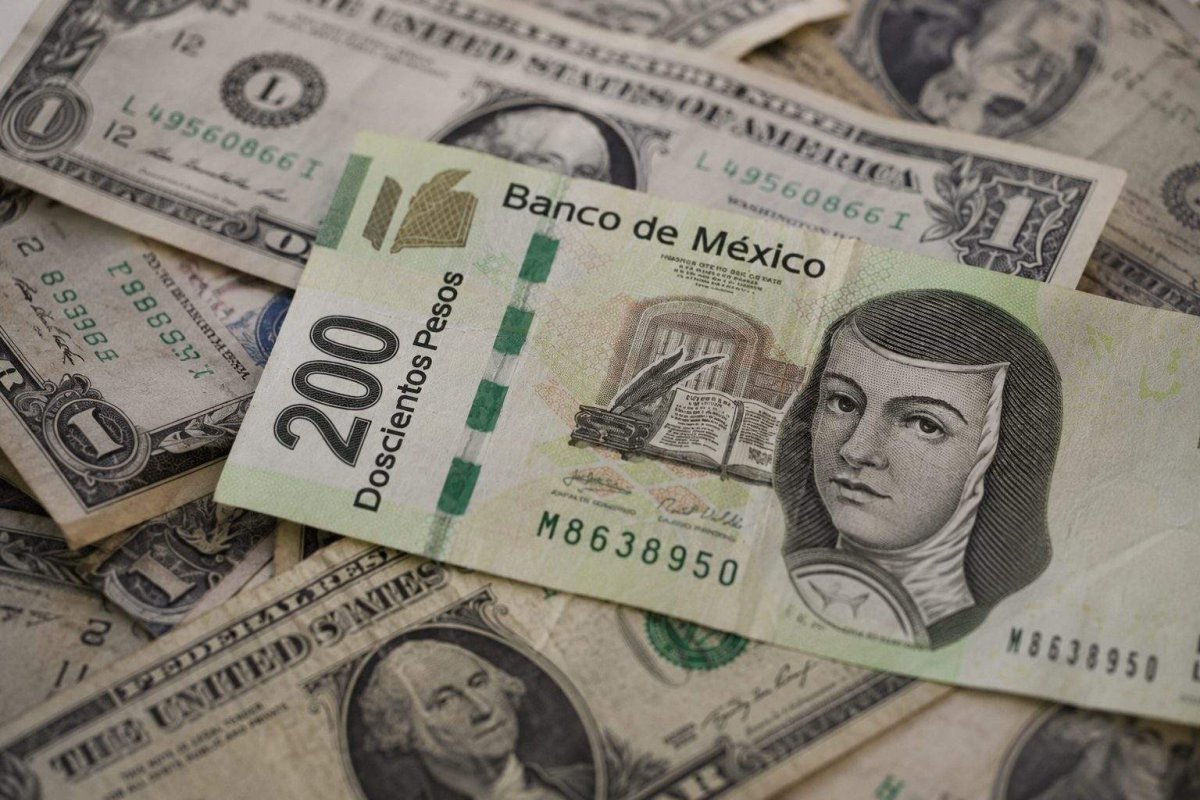
Mexico City, June 5, 2026 – The Mexican peso suffered a sharp decline on Friday, sliding over 1% to trade at 17.47 per dollar, as a stronger-than-expected U.S. jobs report drove Treasury yields higher and strengthened the greenback. The move erased most of the peso’s gains from a relief rally on Thursday and shifted market expectations toward a potential Federal Reserve rate hike later this year.
The U.S. Labor Department reported that nonfarm payrolls increased by 172,000 in May, far exceeding the Reuters consensus estimate of 85,000. The unemployment rate held steady at 4.3%. Leisure and hospitality, local government, and health care sectors led the job gains. Upward revisions to March and April data further underscored the labor market’s resilience.
“Hiring has picked up from last year’s slower pace, but the labor market is not back to overheating,” said Tom Porcelli, chief economist at Wells Fargo, in comments to Reuters. Despite the strong headline numbers, some weaknesses persisted: long-term unemployment rose and the average duration of joblessness increased, indicating that some workers still face difficulty finding employment.
The robust jobs data triggered a sell-off in bonds. The two-year U.S. Treasury yield, which is closely tied to Fed policy expectations, climbed to 4.15%, while the 10-year note yield rose to 4.54%. U.S. rate futures now imply a greater probability of a rate hike at the Fed’s December meeting.
The dollar index, which measures the greenback against six major peers, advanced after the release. “The bar to a Fed change is very high,” said Marc Chandler of Bannockburn Global Forex, speaking to Reuters, though he acknowledged a rate hike by year-end remains possible.
Emerging-market currencies bore the brunt of the dollar’s strength. The Mexican peso was among the hardest hit, dropping 1.09% to 17.47 per dollar in late morning trading, according to El Financiero. Other currencies, including the South Korean won, Israeli shekel, Chilean peso, and Brazilian real, also weakened against the dollar. The broader sell-off was evident in pairs such as USD/BRL and USD/ZAR, which also moved higher.
The peso had rallied on Thursday, closing at 17.2881 per dollar, up 0.30%, as risk appetite improved and the dollar softened. However, Friday’s data reversed those gains. “The dollar strengthened with the U.S. employment report,” said Gabriela Siller Pagaza, director of economic and financial analysis at Grupo Financiero Base, in a note to Investing.com. She added that the data increased the likelihood of a Fed rate hike later this year.
Mexico’s central bank has indicated it is finished cutting rates after its last move reduced the benchmark rate to 6.50%. The peso’s trajectory may also be influenced by geopolitical developments: faster progress in cooling Middle East tensions could push oil prices lower, easing inflation concerns and reducing demand for the dollar. Conversely, an escalation of conflict could keep U.S. yields elevated and investors cautious.
The peso fell again as the week’s key drivers persisted: a strong U.S. economy, rising rate hike bets, and a firm dollar that traders continue to favor when risk appetite wanes. USD/MXN jumped more than 1% during the session, according to Trading Economics, reflecting the broader trend across emerging markets.