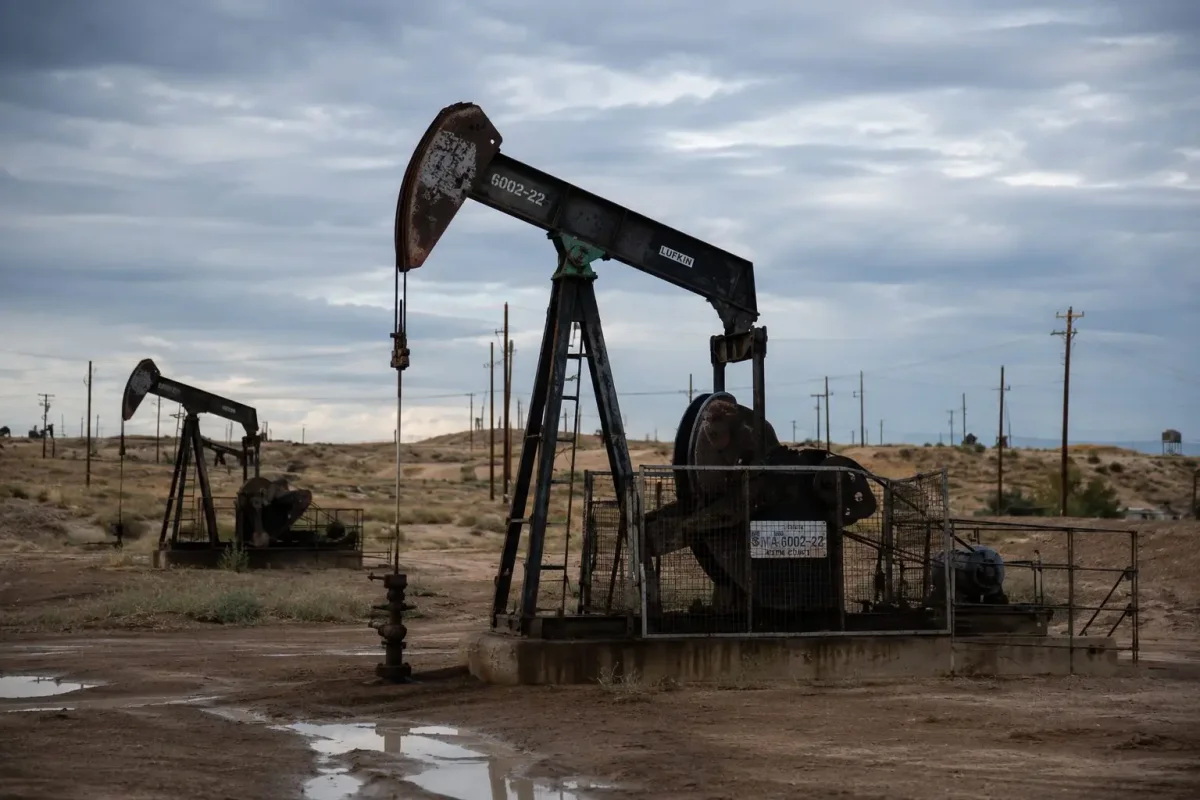
NEW YORK, July 20, 2026, 09:05 EDT — U.S. cash equities traded ahead of the market open on Monday, as Brent crude slipped back under $90 per barrel. The retreat, however, masks a deepening fuel shortage that is becoming a more significant threat to inflation than crude prices themselves.
Brent crude fell to $88.28 a barrel by 8:22 a.m. EDT, after briefly touching a one-month peak of $91.42 earlier in the session. West Texas Intermediate also declined 0.4% to $82.15. Despite the pullback, Brent remains roughly 20% above its July levels, underscoring persistent supply tightness.
The real stress, however, lies in refined fuel markets. Refinery margins have surged to all-time highs, with the U.S. 3-2-1 crack spread approaching $70 a barrel and European diesel margins hitting record levels above $65. Meanwhile, the average U.S. gasoline price has climbed to $4.003 per gallon, up over 30% since late February, adding pressure on consumers and businesses alike.
Global refinery throughput averaged just 78 million barrels per day in the second quarter, a drop of about 5 million barrels per day from a year earlier. The International Energy Agency reported that worldwide crude production rose by 4.1 million barrels per day in June, but refinery operations remained 6 million barrels per day below year-ago levels. China's crude imports slumped to their lowest in nearly a decade, while U.S. output hit a new record of 13.93 million barrels per day. A coordinated release of 400 million barrels from strategic reserves has provided some relief, but it has not yet reached drivers at the pump.
The divergence between crude and fuel markets is stark. While prompt crude cargoes remain available — with North Sea Forties crude trading at a discount after a record premium — fuel markets are experiencing what energy strategist Alex Hodes calls "extreme tightness" following capacity reductions. This has translated into greater pricing power for refiners, while airlines, trucking companies, and manufacturers face squeezed margins.
Bond investors have taken notice. The yield on the U.S. 10-year Treasury rose to 4.55%, and the 30-year yield surpassed 5%, as futures pricing reflected expectations for at least one Federal Reserve rate hike before year-end. The inflation threat from fuel is now a key factor in monetary policy outlook.
Speculators remain cautious. Bullish positions in Brent are valued at around $14.8 billion, still more than 50% below the six-year high recorded in March. As Ilia Bouchouev from the Oxford Institute for Energy Studies noted, "Everybody is bullish now, but nobody is long."
Looking ahead, risks are two-sided. A lasting ceasefire and resumed access through the Strait of Hormuz could rapidly erode the crude premium. Conversely, further shipping disruptions, successful Houthi blockades, or delays in refinery restarts could exacerbate the fuel shortage. The U.S. Energy Information Administration projects Brent will average $70 in the fourth quarter as output and trade rebound, but for now, fuel margins may be the clearest indicator of stress for investors.