European natural gas prices eased on Thursday, retreating from a two-year peak, yet the market remains under pressure as traders weigh supply risks against a relatively stable demand outlook. The Dutch TTF front-month contract, the regional benchmark, was quoted at €71.25 per megawatt-hour at 19:26 CEST on September 3, down more than 3% from the previous session. That pullback follows a surge to €75.325/MWh on September 2, the highest level since January 2023.
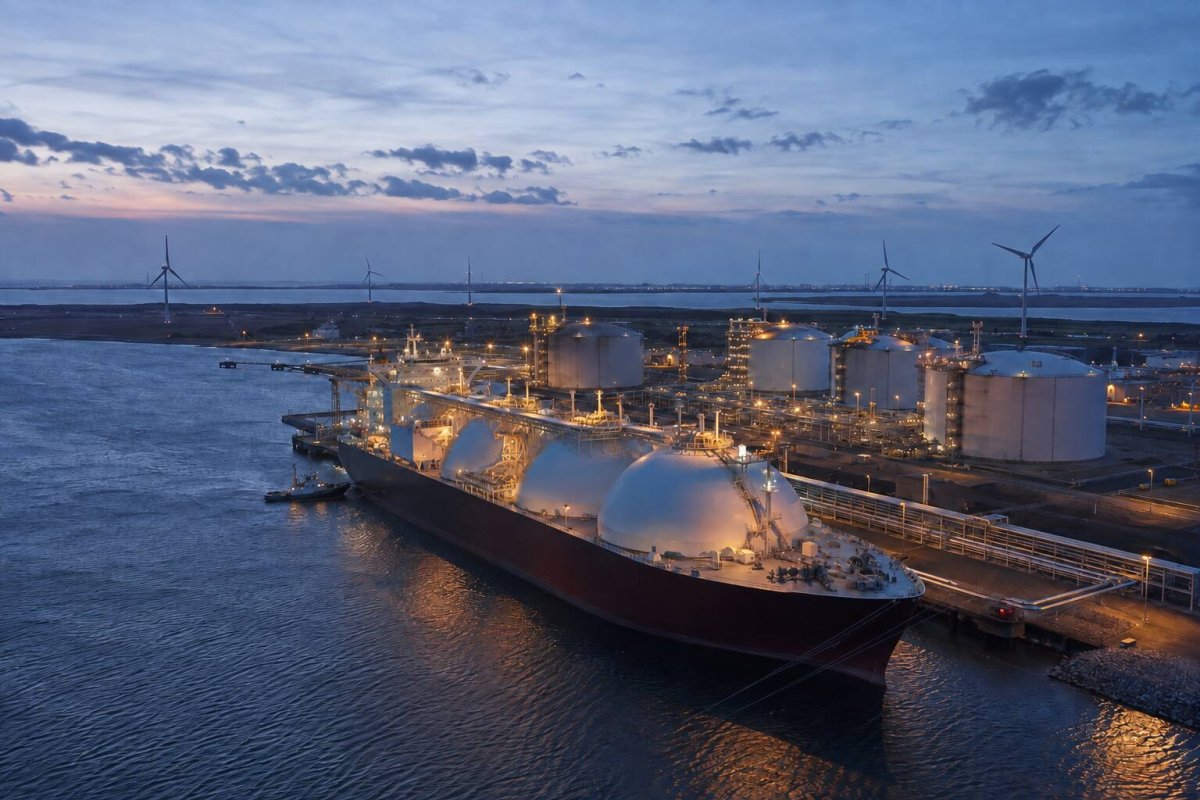
The recent spike reflects concerns over the prolonged shutdown of Qatari LNG production, which has tightened global supply and made each flexible Atlantic cargo more valuable. However, the European Commission stated on September 3 that the EU faces "no immediate risk" to gas security and saw no reason to intervene. The Commission acknowledged that storage levels are lower than in previous years, Qatari LNG remains offline, and recent heatwaves have boosted gas demand for power generation. These factors pull in opposite directions: ample import capacity and lower structural demand reduce the risk of shortages, while the loss of a major LNG source increases the value of spot cargoes.
According to Gas Infrastructure Europe data, EU storage stood at approximately 65% on August 31, versus a five-year seasonal average of 82%. That 17-percentage-point gap is significant and keeps winter weather and LNG arrivals in focus. Yet it does not necessarily signal an imminent shortfall. The EU's regulatory framework provides flexibility: the current target of 90% storage by November 1 can be achieved anytime between October 1 and December 1, and countries may deviate under certain market or technical conditions. The Commission retains the authority to lower the target if conditions warrant, which could temper forced buying that might otherwise exacerbate price spikes.
The market's behavior suggests investors are pricing in a thinner margin of safety rather than a physical supply crisis. Despite Thursday's decline, TTF remained 6.4% above its August 28 close, and the September 2 peak was roughly 9.6% higher. A price above €70/MWh indicates that buyers still assign high value to prompt supply and optionality. This premium is likely to persist until there is clarity on Qatari production resumption or a significant improvement in storage refill rates.
For utilities, the key variable is hedging strategy. Companies that locked in gas and power earlier are better positioned to absorb short-term volatility, while those with greater front-of-curve exposure face higher costs. Regulatory recovery mechanisms also matter: even if costs can eventually be passed through, timing lags can strain working capital. Energy-intensive sectors such as fertilizers, chemicals, glass, and paper are particularly sensitive to sustained gas prices above €70/MWh, as this shifts the competitive balance between European production and imports. The impact is operational rather than purely directional, with producers potentially benefiting from firmer product prices but losing margin if feedstock costs rise faster.
Investors should distinguish between a one-off price shock and a sustained inflation impulse. A few volatile sessions affect near-term power hedges, but a winter curve that remains elevated for weeks could influence corporate budgets, household bills, and central bank rate expectations. The TTF contract is physically delivered and quoted in euros per MWh, with settlement around 17:15 CET each business day, and is not interchangeable with U.S. Henry Hub gas.
Three indicators will be critical in the coming weeks. First, the pace of storage injections: a faster September refill would support the Commission's confidence, while a stall near 65% would heighten concerns. Second, LNG supply: a verified restart of Qatari production or a normalization of tanker movements would directly undermine the scarcity premium, whereas further outages or diversions to Asia would reinforce it. Third, the Gas Coordination Group meeting on September 24: a continued "no intervention" stance would keep the burden on price to attract cargoes, while a change in the supply assessment would be a more significant signal than Thursday's profit-taking.
Until one of these factors shifts, €71 gas and a "no immediate risk" official assessment can coexist. Europe has more import routes and lower gas demand than in 2022, but it is paying heavily for that resilience while its largest Gulf supplier remains offline.