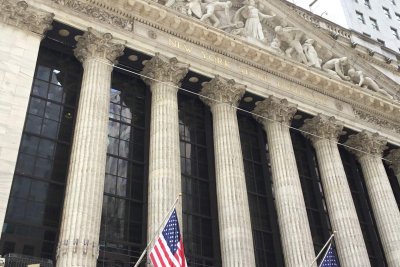
The Nasdaq Composite suffered its worst week since June, shedding 4.48% to close at 26,140.03 on Friday, even as Treasury yields moved lower. The divergence between equity and bond markets underscores a rotation away from richly valued technology names toward more defensive and income-generating sectors.
Rate Relief Fails to Lift Tech
The 10-year Treasury yield dropped approximately 15 basis points to 5.09% over the week, a move that typically supports growth equities. Yet the tech-heavy index bucked that trend, while the Dow Jones Industrial Average managed a modest 0.67% gain. The S&P 500 slipped 1.95%, and the small-cap Russell 2000 fell 3.05%.
This disconnect shifts the market's focus to earnings quality, particularly around artificial intelligence-related capital expenditures. Investors are now questioning whether the massive spending on AI infrastructure is translating into sustainable revenue growth and margins.
Breadth and Sector Performance
Friday's session illustrated the concentrated damage: while just over half of S&P 500 members declined, 68 of its 75 technology stocks fell. Micron Technology (NASDAQ:MU) dropped 5.6%, Advanced Micro Devices (NASDAQ:AMD) lost 6.0%, Broadcom (NASDAQ:AVGO) fell 4.5%, and Intel (NASDAQ:INTC) declined 5.8%. Meta Platforms (NASDAQ:META) slipped 3.7%.
In contrast, energy and consumer staples proved resilient. Exxon Mobil (NYSE:XOM) rose 2.5% and Chevron (NYSE:CVX) gained 2.6%. The Technology Select Sector SPDR Fund (NYSEARCA:XLK) tumbled 7.7%, while the Consumer Staples Select Sector SPDR Fund (NYSEARCA:XLP) climbed 5.0%.
Oil and Volatility Add Pressure
Brent crude settled at $109.86 per barrel, up 4.91% on the week, as geopolitical tensions around the Strait of Hormuz fueled risk premiums. ING strategists Warren Patterson and Ewa Manthey noted markets are pricing in a significant risk premium, which supports producers but squeezes margins for transport and consumer companies.
The CBOE Volatility Index (VIX) jumped 5.15 points to 19.99, reflecting heightened anxiety.
Earnings Season Test
Next week brings a heavy earnings calendar, with 73 S&P 500 companies (14.5% of the index) scheduled to report. Key reports include General Motors (NYSE:GM) and Netflix (NASDAQ:NFLX) on Tuesday, followed by Tesla (NASDAQ:TSLA), Meta, and IBM (NYSE:IBM) on Wednesday.
Analysts will scrutinize AI-related spending and cash flow guidance. Meta's earnings call is set for 4:30 p.m. ET Wednesday, with Tesla's webcast an hour later. Their outlooks could determine whether the AI selloff reflects valuation concerns or deteriorating fundamentals.
Macro Data and Analyst Sentiment
The economic calendar is lighter but still relevant. September housing starts arrive Tuesday, weekly jobless claims on Thursday, and final October consumer sentiment on Friday, where elevated fuel prices may influence inflation expectations.
Despite the tech rout, analyst sentiment remains constructive. Nvidia (NASDAQ:NVDA) retains a Strong Buy consensus, while Walmart (NYSE:WMT), Procter & Gamble (NYSE:PG), and IBM all hold Buy ratings, according to S&P Global Market Intelligence data.
Outlook
The market faces a critical test this week. If AI-related earnings disappoint or spending plans are reduced, the selloff could deepen. Conversely, strong margins and clear returns on AI investments might trigger a swift rebound in technology stocks. The first decisive evidence arrives Wednesday after the closing bell.