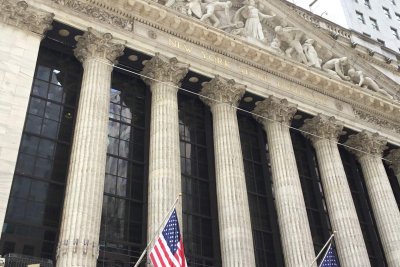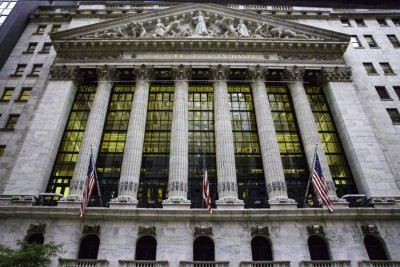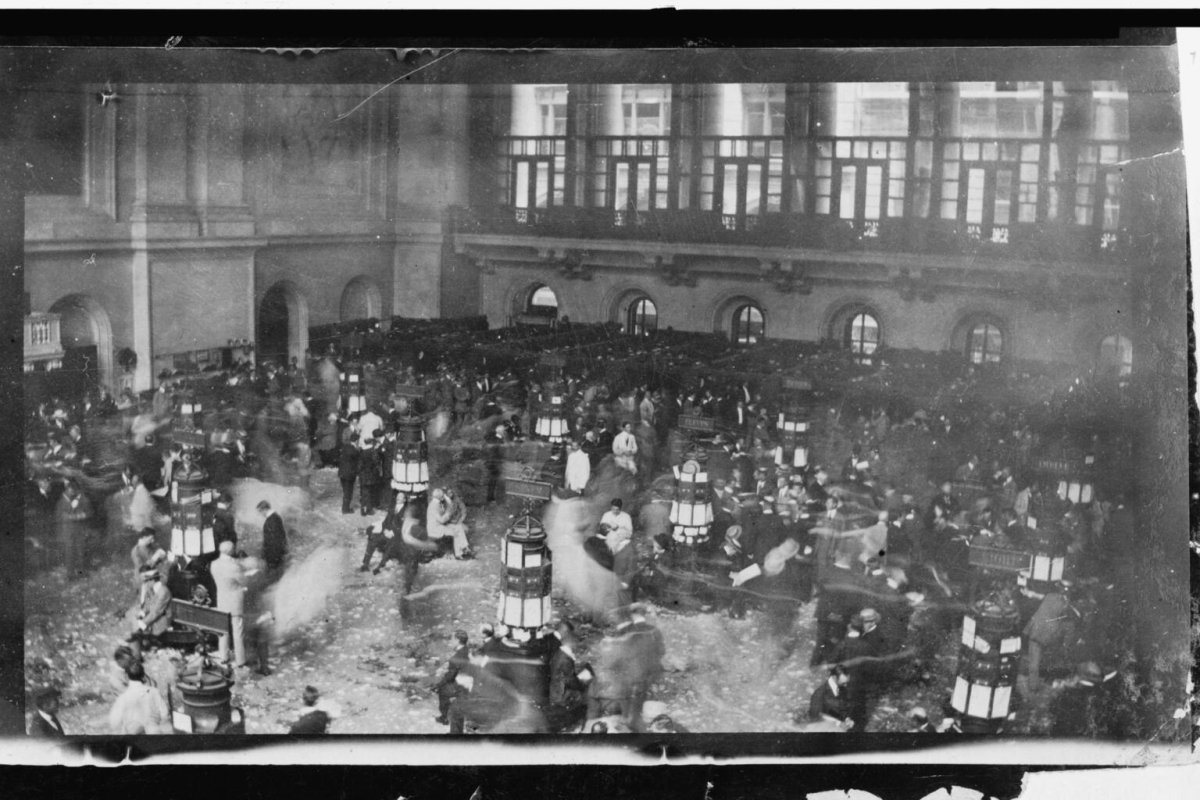
U.S. equities closed sharply lower on Friday, October 16, 2026, as a fresh wave of selling in semiconductor shares deepened the technology sector's weekly retreat. The Nasdaq Composite fell 2.15% to 26,140.03, bringing its weekly decline to 4.48%—its worst performance since June. The S&P 500 dropped 1.09% to 7,659.44, while the Dow Jones Industrial Average slipped 0.34% to 52,002.41, though it managed a modest weekly gain of 0.67%.
The selloff was broad-based, with technology and communication services leading losses, while energy stocks provided a partial offset as oil prices surged on persistent Middle East supply risks. According to the Associated Press, both the S&P 500 and Nasdaq recorded their worst weeks since June, reflecting investors' decision to trim crowded growth positions without abandoning all cyclical trades.
Breadth deteriorated as the session progressed. At 3:52 p.m. EDT, ChartRow data showed 228 advancing S&P 500 members versus 272 decliners. Within the technology sector, only 10% of constituents traded higher, compared with 90% in energy and utilities. Trading volume in the SPDR S&P 500 ETF Trust (SPY) surged 36.7% to 59.2 million shares, indicating heightened activity during the downturn.
Chip Stocks Lead the Decline
The iShares Semiconductor ETF (SOXX) tumbled 4.14%, more than triple the S&P 500's percentage loss. Advanced Micro Devices (AMD) dropped 5.96%, Intel (INTC) lost 5.79%, and Micron Technology (MU) shed 5.63%. Broadcom (AVGO) fell 4.53%. The weakness occurred even as Treasury yields eased slightly, with the 10-year yield slipping to 5.09% from 5.10% late Thursday, according to the AP. That divergence suggested that concerns over AI-related financing outweighed the typical support lower yields provide for growth stocks.
CME data cited by the AP showed December rate-hike odds at 74.3%, up from 50.2% a month earlier, adding to the pressure on high-valuation technology names.
Energy and Defensive Sectors Provide Some Relief
Oil prices provided a clear counterweight. Brent crude settled 3.7% higher at $109.86 per barrel as Middle East supply risks persisted. Exxon Mobil (XOM) rose 2.46%, and Chevron (CVX) gained 2.58%. ING Groep strategists Warren Patterson and Ewa Manthey noted that crude was “pricing in a significant risk premium.”
Defensive sectors also outperformed: the energy sector ETF (XLE) gained 2.52%, consumer staples rose 1.08%, and utilities added 1.35%. In contrast, the technology sector ETF (XLK) fell 3.03%. The Cboe Volatility Index (VIX) jumped 22.5% to 20.16, closing above the 20 threshold, signaling increased market anxiety.
Earnings and Analyst Moves
Some individual stocks bucked the downtrend. Travelers Companies (TRV) rose 1.47% after beating Wall Street forecasts, Alcoa (AA) added 2.55%, and Apple (AAPL) gained 0.43%. However, Meta Platforms (META) lost 3.72%, weighing on communication services.
RBC Capital Markets, a unit of Royal Bank of Canada (RY), had shifted its sector stance two days earlier, upgrading health care and downgrading technology to market weight on valuation grounds. Strategist Lori Calvasina called health care “a natural destination to look to when dialing down Tech exposure.” Friday's health care sector fund fell just 0.27%, outperforming technology by 2.76 percentage points.
Cross-Asset Signals and Outlook
The dollar index eased 0.27% to 101.78, while gold futures rose 0.43% to $4,188.10 and Bitcoin slipped 0.6% near $81,523. These moves suggest selective hedging rather than a uniform flight from risk.
Looking ahead, the next major test comes Wednesday, October 21, when Meta reports results after the close and Tesla (TSLA) follows. Their capital-spending outlooks will be closely watched to see whether Friday's financing concerns translate into softer next-quarter demand. A weekend easing in Middle East tensions could reverse oil's leadership, while renewed Treasury selling could compound the technology drawdown.