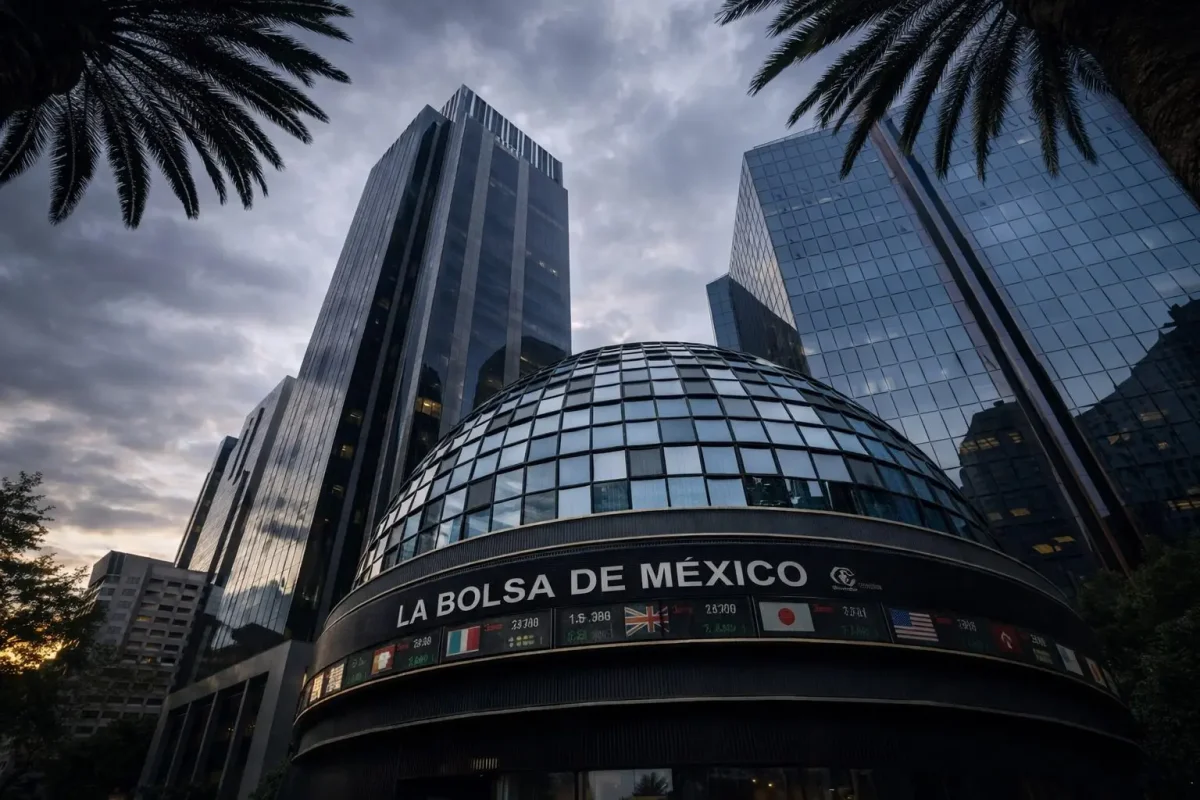
Mexico's primary equity benchmark, the S&P/BMV IPC, endured a significant downturn last week, shedding 5.73% of its value across five trading sessions. The index concluded the period on Friday at 67,312.78 points, reflecting a broad retreat in investor sentiment toward Mexican assets.
External Pressures Drive the Decline
The downturn was primarily fueled by international macroeconomic developments. A sharp 12% weekly surge in U.S. crude oil prices reignited global inflation concerns, while a weaker-than-anticipated U.S. jobs report for February introduced fresh doubts about the economic outlook and the Federal Reserve's policy path. This combination typically dampens risk appetite for emerging market investments, with cyclical sectors bearing the initial brunt of the selling.
Market strategists highlighted the dilemma facing policymakers. "The question for the Fed is whether to cut rates to support the labor market or hold steady to contain inflation expectations," noted Brian Jacobsen, Chief Economist at Annex Wealth Management. He identified the emerging risk of stagflation as a key focus for traders. Kristina Hooper, Chief Market Strategist at Man Group, echoed this, stating the oil price spike "raises the question of whether the Fed will even be able to cut rates."
Sector Performance and Key Movers
The market weakness was evident across multiple sectors. Mining, industrial, and airline stocks were notable laggards as the week progressed. On Friday alone, the IPC fell 1.54%, with specific companies feeling the pressure. Shares of Grupo Mexico and Cemex declined, ranking among the index's poorest performers for the session. In contrast, Orbia and FEMSA managed to close the day with gains, according to exchange data.
The Mexican peso mirrored the equity market's distress, losing ground against the U.S. dollar. Data showed the dollar strengthening to 17.8909 pesos on March 6, a notable move from 17.2195 pesos just a week earlier on February 28. This currency weakness further pressured importers and companies with dollar-denominated debt.
Domestic Policy and Looming Trade Talks
On the domestic front, Banco de México held its benchmark overnight interbank rate steady at 7.00% during its most recent meeting. This pause could undermine the yield advantage that typically supports the peso if global risk aversion continues to intensify.
Adding a layer of uncertainty for exporters, the United States and Mexico are scheduled to commence bilateral talks the week of March 16, initiating a joint review of the USMCA trade agreement. The U.S. administration faces a July 1 deadline to inform Congress if it intends to propose modifications to the pact, raising the specter of renewed disputes over rules of origin and supply chain requirements.
Broader Market Context
Despite the sharp weekly pullback, the broader trend for the IPC in 2026 remains positive on a year-to-date basis. The index is still up approximately 27.64% for the year, even after a 5.84% drop over the past month. However, it remains significantly below its February peak of 72,111.41 points.
Analysts caution that headline risks persist. A protracted surge in crude oil prices, potentially fueled by ongoing Middle East tensions, could quickly revive inflation worries within Mexico, impacting consumer spending and central bank rate expectations. The impending USMCA review adds another variable for market participants to monitor closely in the coming weeks.