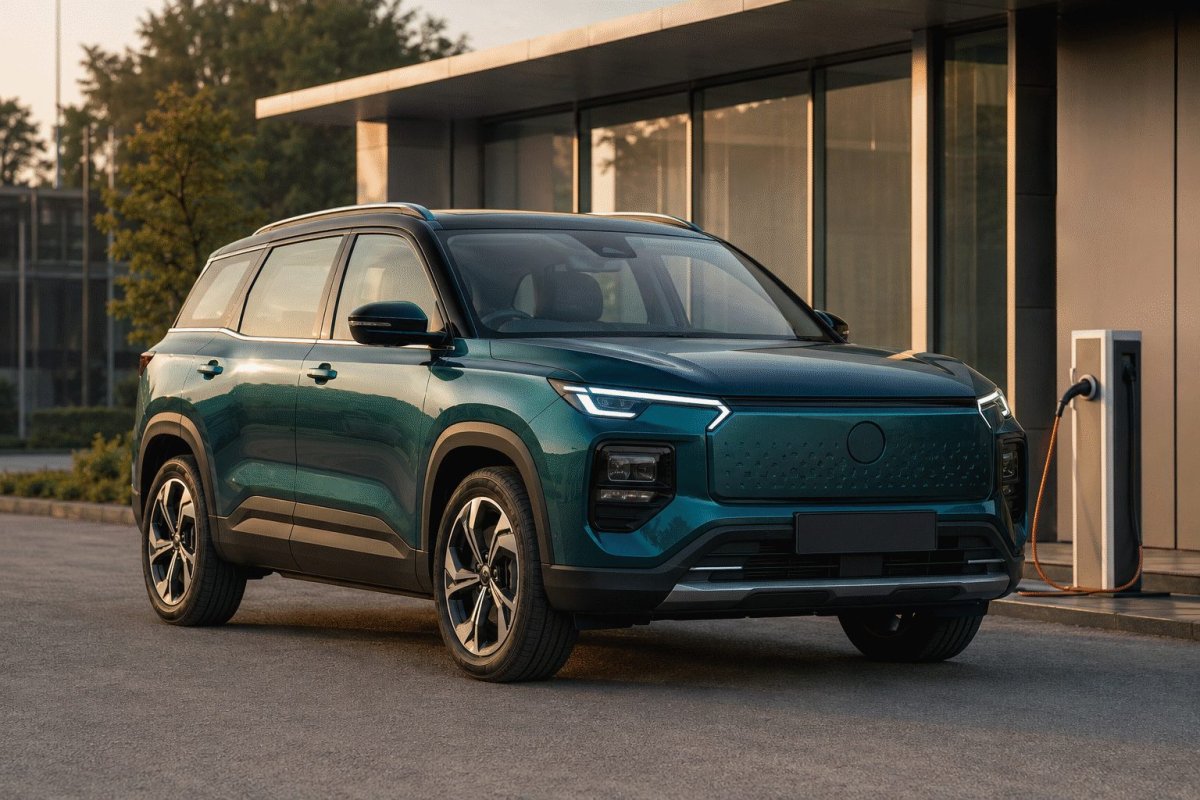
MG Motor India, backed by Chinese parent SAIC Motor, has officially launched the Hector Tomahawk electric SUV and a plug-in hybrid variant, marking a significant step in its aggressive expansion strategy in the subcontinent. The electric version is priced from ₹1.95 million (ex-showroom, excluding battery rental), while the plug-in hybrid (PHEV) starts at ₹2.57 million. Bookings are now open, with EV deliveries slated to begin in September 2026 and PHEV units following in November.
Battery-as-a-Service: A Game-Changer?
The headline feature of the Tomahawk lineup is the Battery-as-a-Service (BaaS) model, which allows customers to purchase the vehicle without the battery and instead pay a rental fee based on distance traveled. This reduces the EV's entry price by ₹550,000 (28.2%) to ₹1.399 million, and the PHEV by ₹390,000 (15.2%) to ₹2.179 million. For an annual usage of 10,000 kilometers, the battery rental is ₹49,000 for the EV and ₹32,000 for the PHEV. This model shifts upfront ownership costs to a subscription-based structure, potentially lowering barriers to EV adoption.
Technical Specifications and Performance
The EV is powered by a 69.2 kWh battery pack, delivering 150 kW of power and 310 Nm of torque, with a certified range of 517 km. It accelerates from 0-100 km/h in 8.2 seconds and can charge from 30% to 80% in approximately 35 minutes using a 90 kW DC fast charger. The PHEV combines a 1.5-liter petrol engine with a 20.5 kWh battery, offering an electric-only range of 115 km—ideal for city commutes—while the combined range exceeds 1,100 km, making it suitable for long journeys.
ADAPT Architecture and Local Production
The Tomahawk is the first MG model in India built on the ADAPT architecture, which supports both battery-electric and hybrid powertrains. This platform sharing is expected to reduce engineering and supplier costs across variants. The launch is part of a broader investment plan by JSW MG Motor, which intends to invest between $330 million and $440 million to expand annual production capacity from 120,000 to 300,000 vehicles. The company reported 70,500 vehicle sales in 2025, a 15.6% increase year-over-year, but still faces profitability challenges, having posted a $121 million loss for the fiscal year ending March 2025.
Market Context and Implications
SAIC Motor's shares rose 0.78% to CN¥10.39 in Shanghai, with a market capitalization of CN¥117.79 billion. The company's trailing revenue stands at CN¥655.8 billion with net income of CN¥10.1 billion, and its stock trades at approximately 11.6 times trailing earnings. While India is currently a minor contributor to SAIC's overall revenue, the significant investment and losses in the region make the Tomahawk's success crucial for future profitability. Managing Director Anurag Mehrotra has emphasized increasing local sourcing to mitigate currency risks and freight costs, which could improve margins.
Challenges and Outlook
Despite the promising specifications, the Tomahawk faces several hurdles. Initial prices are limited to early volumes, and the BaaS model shifts costs rather than eliminating them. Factors such as customer eligibility, charging infrastructure, competition from domestic rivals, and regulatory restrictions on Chinese investment could slow adoption. The first batch of EV registrations in September will be a key indicator of whether the Tomahawk can convert interest into sustained sales and help SAIC achieve its ambitious production targets.