U.S. equities opened with modest gains on Friday, but the advance was narrowly concentrated among large-cap names, leaving the broader market without the confirmation that typically signals a healthy rally. The S&P 500 climbed 0.35% to 7,792.32 in early trading, while the small-cap Russell 2000 added just 0.05%, underscoring the divergence between megacaps and the rest of the market.
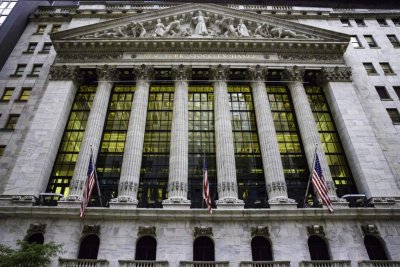
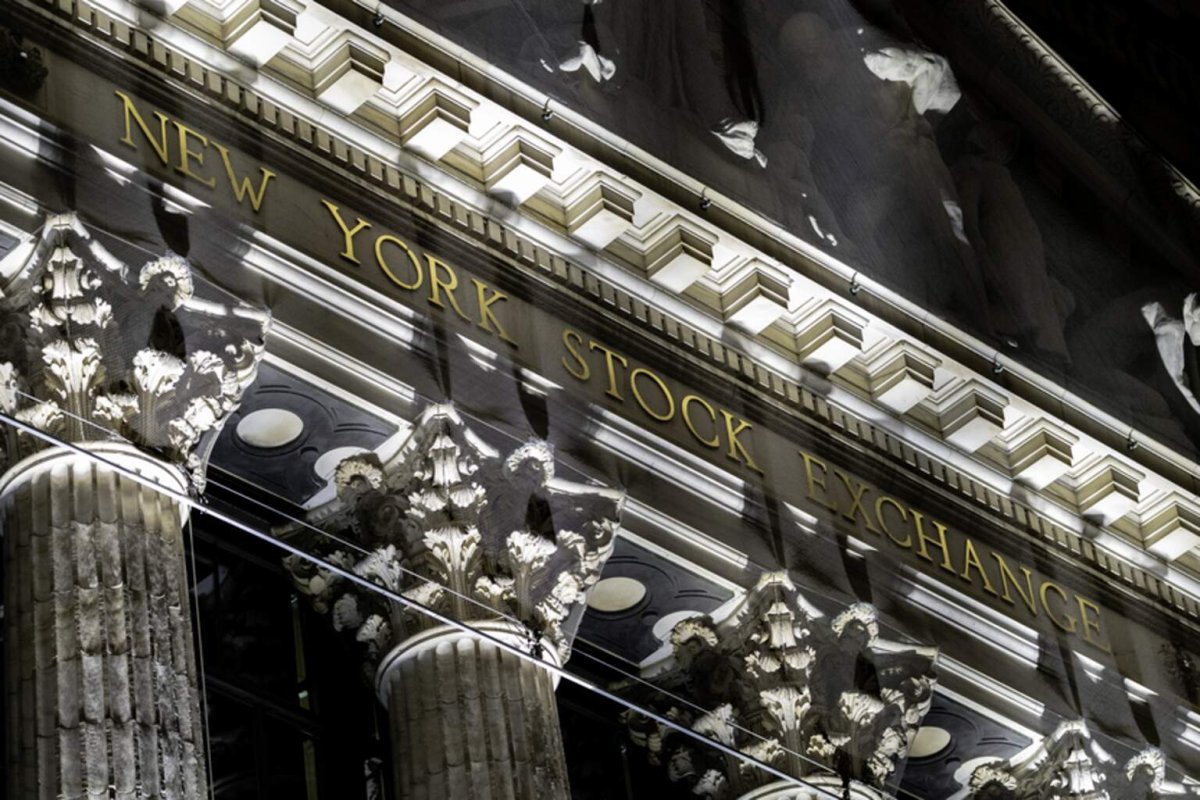
The tepid breadth was evident in exchange data: on the New York Stock Exchange, decliners outnumbered advancers by 1,070 to 967, a negative reading even as the index moved higher. The Nasdaq showed slightly better participation, with 51.9% of advancing issues, but that was hardly a strong vote of confidence. The equal-weight S&P 500 ETF rose only 0.22%, trailing the cap-weighted index, further highlighting the reliance on a handful of large stocks for the day's gains.
The immediate catalyst for the uptick was a retreat in crude oil prices, which eased after Thursday's sharp rise. Reports of diplomatic discussions between the U.S. and Iran helped reduce fears of near-term supply disruptions, though WTI crude remained near $91.34 a barrel, down just 0.16%. The relief was fragile, and the energy sector slipped 0.11% as a result.
However, the bond market did not validate a clean risk-on move. The 10-year Treasury yield rose to 5.261%, up 2.3 basis points from its opening level, while the 30-year yield edged higher to 5.623%. Rising yields typically pressure rate-sensitive sectors, and indeed the small-cap index lagged, while real estate (up 0.91%) and technology (up 0.72%) led sector gains. Communication services was the weakest sector, down 0.51%.
Among individual large-cap movers, Microsoft (MSFT) rose 1.50%, Amazon (AMZN) climbed 1.81%, and Broadcom (AVGO) gained 1.21%. NVIDIA (NVDA) added 0.78%, but Apple (AAPL) fell 2.31%, a notable drag. The Nasdaq Composite outperformed with a 0.65% gain, but its advance was uneven, reflecting the same narrow participation seen elsewhere.
Delta Air Lines (DAL) was a significant decliner, dropping 2.71% to $79.91 after reporting quarterly results. The airline posted adjusted earnings of $1.72 per share and maintained full-year guidance of $5.10 to $5.60, but fuel costs surged 62% year-over-year. CEO Ed Bastian noted the airline is navigating "one of the most elevated fuel environments in recent times," linking the oil shock directly to earnings, not just inflation expectations.
Analysts had trimmed their price targets on Delta ahead of the report, with Bernstein, Susquehanna, and Wells Fargo all lowering targets to around $100, though they maintained positive ratings. The market's reaction suggests investors are questioning whether revenue growth can offset the higher fuel bill, especially with December-quarter revenue projected to grow near 20% on less than 2% seat growth.
Investors now look ahead to the University of Michigan's preliminary October consumer sentiment survey, due at 10:00 EDT. September's reading was 48.1, with one-year inflation expectations at 4.6%. Given the recent oil spike, the inflation component may attract more attention than the headline number.
The opening move still needs confirmation. By noon EDT, traders will watch whether NYSE advancers can overtake decliners and whether the Russell 2000 can hold above Thursday's close. Renewed oil gains, firmer inflation expectations, or another yield spike could quickly erase the large-cap rebound and deepen small-cap underperformance, leaving the market vulnerable to a reversal.