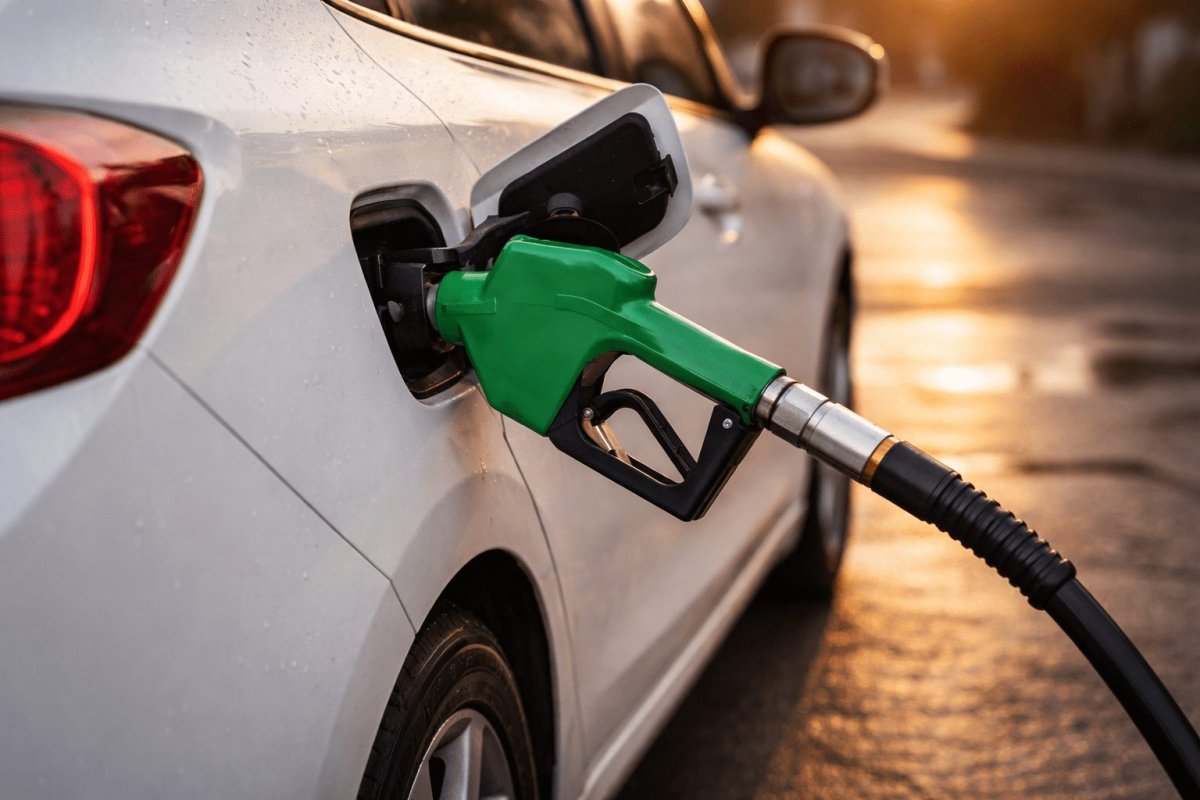
Michigan Governor Gretchen Whitmer took executive action on Thursday, declaring a state of energy emergency and suspending the implementation of stricter summer gasoline standards for eight counties in the southeastern part of the state. The move, enacted via Executive Order 2026-4, is a direct response to rapidly escalating fuel costs that are placing significant financial strain on motorists and families across the region.
The order specifically delays the planned May 1 transition to more stringent summer fuel blends in Wayne, Oakland, Macomb, Washtenaw, Livingston, Monroe, St. Clair, and Lenawee counties. This temporary waiver allows gas stations in these areas to continue selling a cheaper, higher-vapor-pressure gasoline blend, which typically costs 10 to 20 cents less per gallon than the mandated summer formulation. The suspension is effective immediately and is set to expire on July 1, 2026, unless extended by the state legislature.
Immediate Price Relief for Metro Detroit
The regulatory pause is expected to impact approximately 5 million residents in the Detroit metropolitan area and surrounding counties, where the summer fuel rules are normally enforced. Drivers in the rest of Michigan already have access to the less expensive blend and are unaffected by the waiver. Governor Whitmer characterized the step as a necessary, though limited, measure to offer tangible relief. "I can’t end a war overseas," she stated, acknowledging the global factors driving prices upward, "nor can I change federal policy." Her stated goal is to help Michigan families manage rising costs for both fuel and groceries.
The urgency of the action is underscored by recent price data. According to AAA, Michigan's average price for a gallon of regular gasoline reached $3.886 on Thursday, a sharp increase from $2.989 just one month prior. This surge mirrors a troubling national trend, with the U.S. gasoline average recently breaking above the $4 per gallon mark for the first time since 2022.
National Context and Broader Market Pressures
The national price spike is being fueled by a confluence of geopolitical and supply factors. Crude oil prices soared more than 10% this week following heightened tensions in the Middle East, notably after recent comments by former President Donald Trump regarding Iran. Analysts warn the situation could deteriorate further. Patrick De Haan, head of petroleum analysis at GasBuddy, projected the national average could climb to between $4.25 and $4.45 per gallon as soon as next week. He cautioned that a prolonged closure of the critical Strait of Hormuz could push prices past $5 per gallon within a month.
The implications extend far beyond the fuel pump. De Haan emphasized to the Associated Press that elevated diesel and gasoline prices directly contribute to rising grocery costs and a broader increase in U.S. inflation. The national average for diesel already stands at a burdensome $5.45 per gallon, adding significant cost to the transportation of goods.
The Michigan waiver centers on Reid vapor pressure (RVP), a measure of gasoline volatility. To reduce ozone formation during warmer months, the state typically enforces a summer cap of 7.0 psi in the affected counties. The emergency order temporarily aligns Michigan with federal relief measures, suspending this stricter state limit.
Limited Duration and Market Reaction
While the order provides immediate regulatory relief, its impact may be tempered by wholesale market forces. Reports from Reuters citing Gulf Oil adviser Tom Kloza indicated that wholesale gasoline prices in the Great Lakes region had already jumped by 17 cents per gallon by midmorning on Thursday, prior to the governor's announcement. This suggests underlying market tightness that a state-level policy can only partially offset.
The executive order is a stopgap measure with a firm sunset date of July 1. Its effectiveness in providing sustained relief will depend heavily on the trajectory of global oil supply and geopolitical stability. If supply conditions continue to tighten, the financial reprieve for Michigan drivers may prove fleeting. The action highlights the limited tools state officials have to combat price shocks driven by international events and complex commodity markets.