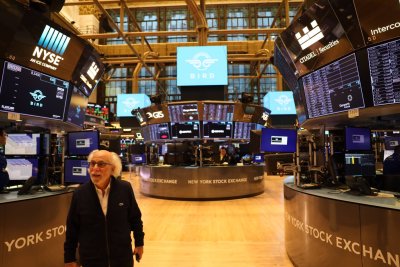
Microsoft Corporation's stock edged lower in Friday's trading session, closing down 0.3% at $397.23. The decline came despite a broader advance in technology shares, with the Nasdaq Composite rallying 0.90% and the S&P 500 gaining 0.69%. Microsoft's shares traded between $396.47 and $402.31 during the session, remaining well below their 52-week high of $468.25.
Gaming Division Leadership Transition
The technology giant announced a significant leadership transition within its gaming division late Friday. Phil Spencer, who led the Xbox business for years, is retiring after 38 years with the company. Sarah Bond, the President and Chief Operating Officer of Xbox, is also departing. Microsoft has appointed Asha Sharma as the new Executive Vice President and CEO of Gaming, effective immediately. Spencer will remain in an advisory role through the summer, while Matt Booty assumes the position of Chief Content Officer.
In a statement, Sharma emphasized a renewed commitment to core Xbox fans and players. Microsoft CEO Satya Nadella noted that the leadership transition planning had been underway since the previous year. Analysts, including Gil Luria of D.A. Davidson, observed that the move coincides with the increasing influence of artificial intelligence on gaming technology.
Market Context and Macroeconomic Pressures
Friday's market gains were partly fueled by a Supreme Court decision to overturn broad tariffs implemented during the Trump administration. Investors interpreted the ruling as a positive development for corporate profits and economic growth, despite digesting a weak GDP reading and signs of persistent inflation. The Dow Jones Industrial Average climbed 0.47% on the session.
Inflation remains a key concern for monetary policy. The core Personal Consumption Expenditures price index, a primary gauge for the Federal Reserve, rose 0.4% in December, exceeding economist forecasts. This data has reinforced market expectations that the central bank may delay interest rate cuts until at least June, maintaining pressure on technology stocks that rely on future earnings growth.
Focus on AI Spending and Upcoming Catalysts
Investor focus is intensifying around the capital allocation toward artificial intelligence and the timeline for realizing revenue from these investments. For Microsoft, scrutiny falls on its Azure cloud platform, Copilot products, and the integration of AI across its portfolio, including gaming. The company's substantial weight in major indices means its performance significantly influences broader market movements.
The near-term trajectory for Microsoft's stock is likely to be swayed more by market signals regarding AI demand and financing costs than by internal gaming division changes. While the tariff policy shift provides some relief, the potential for inflation surprises continues to pose a risk, particularly for high-valuation stocks should interest rates adjust unexpectedly.
Dividend Announcement and Consumer Segment Risks
Earlier in the week, Microsoft confirmed its quarterly dividend schedule, setting a payout of $0.91 per share. The stock went ex-dividend on February 19, with the payment scheduled for March 12.
Analysts note that while leadership changes in the gaming unit may not drastically alter Microsoft's overall earnings model, they can impact sentiment around a business segment closely watched for consumer demand trends and margin volatility. The division has recently integrated Activision Blizzard and raised Xbox hardware prices amid cost pressures. The risk remains that a tougher macroeconomic environment could lead consumers to cut back on discretionary spending, making gaming a potential weak spot amid intense console competition.
Key Events on the Horizon
The market's attention now turns to a pivotal event midweek: Nvidia Corporation's earnings report on Wednesday, February 25. Traders are keenly awaiting signs that the chipmaker is translating the global AI investment wave into tangible profits. The results could reignite the "Magnificent Seven" trade, which has driven much of the recent market rally.
Portfolio strategists, such as Tim Ghriskey of Ingalls & Snyder, caution that while the removal of tariff drag is positive, markets must now contend with the subsequent policy landscape. The overarching concern is that a sustained rough macro environment, coupled with any hint of weaker-than-expected returns on AI investments, could sharply lower expectations for the large-cap technology names that have fueled the market's advance.