Apple Inc. (AAPL) shares advanced on Friday, closing the trading session at $264.58, a gain of $3.81 or 1.6%. The stock traded within a range of $258.30 to $264.85 throughout the day. The positive movement contributed approximately 54 points to the Dow Jones Industrial Average, a significant impact given the price-weighted index's sensitivity to its components. A one-dollar move in a Dow stock typically shifts the index by about six points.
Market Catalyst: Supreme Court Overturns Tariffs
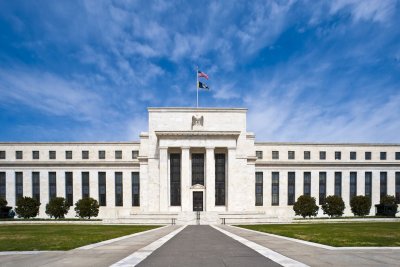
The rally in Apple and other major technology stocks was fueled by a landmark decision from the U.S. Supreme Court. The court struck down the global tariffs implemented during the Trump administration, a move that alleviated a layer of uncertainty for import-heavy sectors. "Today is a removal of some uncertainty, and we're on to the next phase," commented Mike Dickson, Head of Research and Quantitative Strategies at Horizon Investments. The ruling sparked a broad-based rally among Wall Street's largest companies, with the technology sector, as tracked by the XLK ETF, seeing notable inflows.
Legal Headwinds: West Virginia Files iCloud Lawsuit
As macroeconomic concerns eased, attention shifted to a new legal challenge on Apple's home turf. West Virginia Attorney General JB McCuskey filed a lawsuit against the tech giant, alleging that iCloud services have been used to spread child sexual abuse material. The suit criticizes Apple for prioritizing user privacy, particularly as the company has strengthened end-to-end encryption to a level that prevents even Apple itself from accessing user files. In response, Apple stated it "innovates every day" to combat such threats and plans to introduce a "Report to Apple" function for U.S. users soon. Privacy advocates have questioned the lawsuit's motives. Thorin Klosowski of the Electronic Frontier Foundation called it "a clear attempt to put pressure on Apple" regarding its encryption standards.
Business Development: Apple TV Expands Sports Distribution
In other corporate news, Apple's services segment saw expansion. Apple TV secured a distribution deal with EverPass Media to stream its live sports lineup into commercial venues such as bars, restaurants, hotels, and gyms. "Apple's content strengthens and diversifies our library of premium offerings," said EverPass CEO Alex Kaplan. This move represents a strategic push to broaden the reach and monetization of Apple's growing live sports portfolio.
Market Context and Valuation Concerns
Friday's gain helped Apple recoup some of its losses from the previous session, where it fell 1.4% and was the largest drag on the S&P 500. The earlier sell-off reflected lingering trader skepticism over steep valuations and mixed conviction in the broader artificial intelligence investment narrative. "Not everyone's going to win and not all expectations are going to be met," noted Keith Buchanan, Senior Portfolio Manager at GLOBALT Investments. The performance of sector peer Nvidia (NVDA), which reported earnings mid-week, continued to set the tone for big tech sentiment, with Apple often moving in tandem with the group despite not being a pure-play AI stock.
Upcoming Events: Shareholder Meeting and Market Watch
Investors are now looking ahead to a pivotal event: Apple's annual shareholder meeting, scheduled for February 24. The company will hold the meeting virtually, commencing at 8:00 a.m. Pacific Time. This gathering is closely watched for potential announcements, shareholder proposals, and insights from management that could influence market sentiment. Furthermore, any new legal filings or official company responses related to the West Virginia lawsuit could move the stock as trading resumes on Monday, February 23.
Broader Implications and Risks
The market landscape for Apple remains complex. While the tariff ruling provided a temporary boost, trade policy remains fluid and the potential re-imposition of duties could pressure margins and demand for consumer electronics. Simultaneously, the iCloud lawsuit represents a burgeoning front in the ongoing debate over encryption, privacy, and platform responsibility, threatening to draw further regulatory scrutiny. As markets reopen, investors will weigh these legal and regulatory risks against the company's fundamental performance and strategic initiatives.