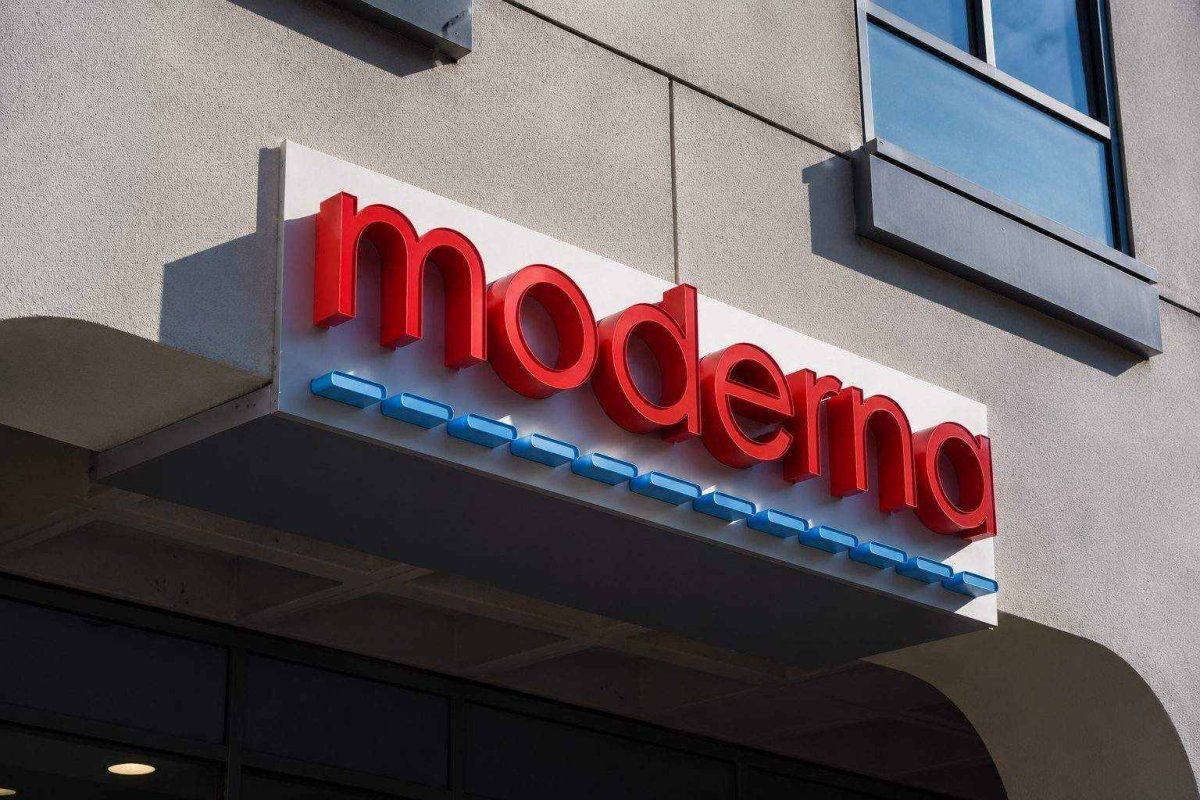
Moderna Inc. (MRNA) saw its stock surge nearly 12% on Monday, closing at $54.35, after the biotechnology company confirmed it is collaborating with the U.S. Army Medical Research Institute of Infectious Diseases and Korea University's Vaccine Innovation Center on early-stage research for a hantavirus vaccine. The announcement comes in the wake of a deadly outbreak linked to the MV Hondius cruise ship, which has sickened eight people, with six confirmed cases of Andes hantavirus and three fatalities.
The rally reflects renewed investor enthusiasm for Moderna's mRNA platform, which gained prominence during the COVID-19 pandemic. The company is now pivoting to address emerging infectious diseases, with hantavirus being the latest target. However, analysts caution that the commercial opportunity remains limited given the rarity of the disease and the early stage of development.
Hantavirus Outbreak Sparks Public Health Response
The outbreak, which originated on the Dutch-flagged MV Hondius, has prompted evacuations and international coordination. Spain's interior minister confirmed the country is preparing to receive the ship off Tenerife, while Germany, France, Belgium, Ireland, and the Netherlands are dispatching planes to repatriate their nationals. The European Union is adding two more aircraft, and the U.S. and UK are arranging for non-EU passengers, according to Reuters.
World Health Organization Director-General Tedros Adhanom Ghebreyesus sought to calm fears, stating that hantavirus is not another COVID-19 and that the public health risk remains low. The European Centre for Disease Prevention and Control reported that the Andes hantavirus is the only strain capable of human-to-human transmission, typically requiring close, sustained contact.
Moderna's Broader Pipeline: Flu and Cancer
While the hantavirus news grabbed headlines, Moderna's stock rally may also be fueled by progress in its core pipeline. The company's mRNA-1010 flu shot recently achieved a 26.6% higher efficacy compared to GSK's standard-dose flu vaccine in a late-stage trial involving over 40,000 participants aged 50 and older. The FDA is expected to make a decision by August 5. If approved, it would be the first mRNA-based seasonal flu vaccine in the U.S., though the FDA previously flagged concerns about the comparative data versus high-dose vaccines typically given to older adults.
Investors are also closely watching Moderna's personalized cancer vaccine, intismeran autogene, developed in partnership with Merck (MRK). Multiple Phase 2 and 3 trials are underway, with Phase 3 melanoma results expected in 2026. Bernstein analyst Courtney Breen noted that near-term stability has returned, and all eyes are on the ex-COVID opportunity in oncology.
Financial Performance and Outlook
Moderna reported first-quarter revenue of $389 million, up from $108 million in the same period last year, though the company posted a net loss of $1.34 billion. Cash, cash equivalents, and investments totaled $7.5 billion as of March 31. The company is targeting up to 10% revenue growth this year.
Despite the rally, Evercore ISI analysts flagged that there is "no meaningful revenue opportunity" from the hantavirus vaccine given its rarity and early stage. The stock's move may be more about sentiment than fundamentals, with the broader market focusing on Moderna's ability to diversify beyond COVID-19.
Market Context
Moderna's shares have been volatile since the post-pandemic shakeout, but the recent news highlights the speed at which its mRNA platform can capture investor attention. The company's ability to deliver lasting revenue from its flu and cancer pipelines remains the key question for long-term investors.