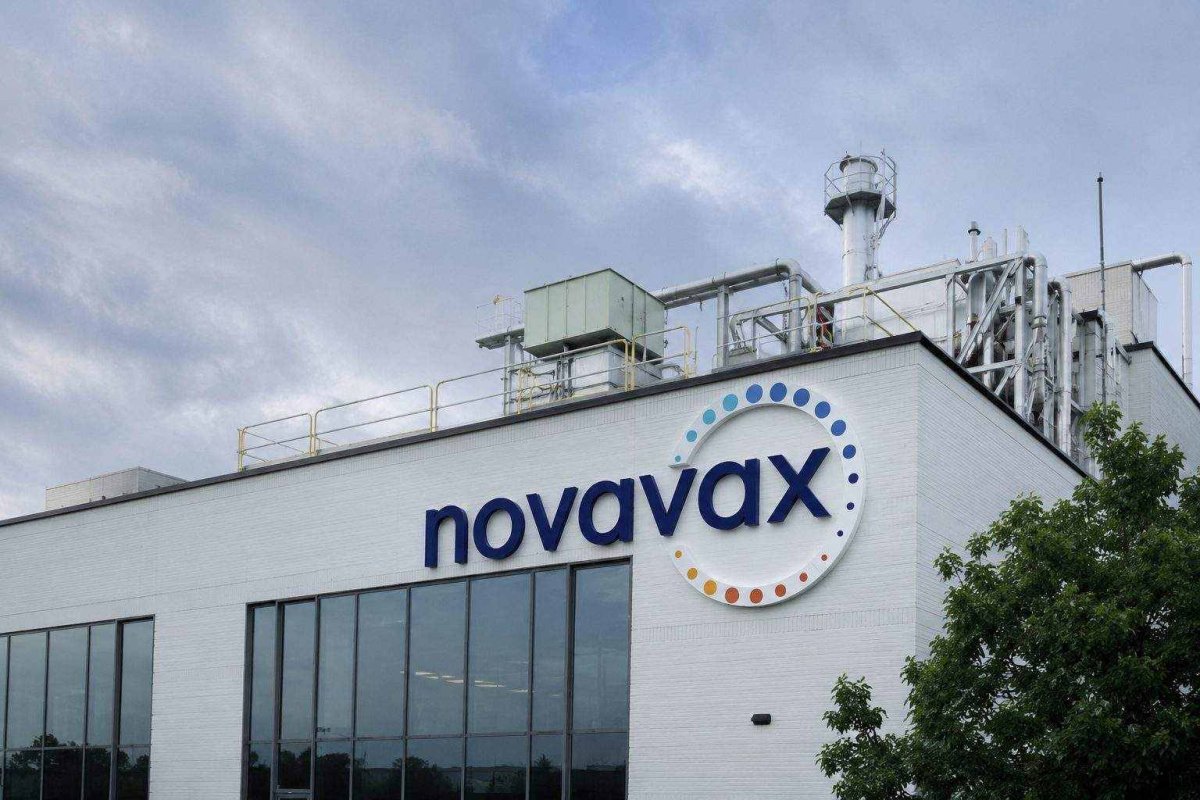
Novavax Inc. (NVAX) shares extended gains on Thursday, building on a sharp rally from the previous session, after the vaccine maker reported first-quarter revenue that surpassed Wall Street expectations. The company's top line was bolstered by licensing income, including a $30 million payment from Pfizer, rather than sales of its COVID-19 vaccine.
Q1 Revenue Tops Forecasts
For the first quarter, Novavax posted revenue of $139.5 million, handily beating the analyst consensus estimate of $78.3 million, according to LSEG data. However, the figure represents a steep decline from $666.7 million in the same period a year earlier, reflecting the ongoing drop in demand for COVID-19 shots. Product sales fell to $42.2 million, while licensing, royalty, and other revenue climbed to $97.3 million.
Pfizer Deal Drives Investor Optimism
The immediate catalyst for the stock's surge was a licensing agreement with Pfizer, announced in January. Pfizer gained non-exclusive access to Novavax's proprietary Matrix-M adjuvant for use in vaccines targeting up to two infectious diseases. The deal contributed $30 million in revenue during the quarter and could yield up to an additional $500 million in development and sales milestones, plus tiered royalties in the high mid-single digits, according to Novavax.
Novavax CEO John Jacobs told Reuters that the company is seeing "very strong interest" in Matrix-M, even amid a challenging macroeconomic environment. The company has secured a total of five material transfer agreements for early research access in 2026, in addition to the Pfizer license.
Sanofi Partnership Remains Key
Sanofi continues to be Novavax's most significant strategic partner. Under a 2024 agreement, Sanofi obtained rights to co-commercialize Novavax's standalone COVID-19 vaccine in most regions and to use Novavax's technology for combination flu-COVID products. That deal brought $500 million upfront, with up to $700 million more tied to development, regulatory, and launch milestones.
Last month, Sanofi reported that its Nuvaxovid candidate, based on Novavax's protein-based technology, led to fewer typical post-vaccination side effects such as fever, fatigue, and headache compared to Moderna's mNEXSPIKE in a Phase 4 study involving 1,000 adults. Dr. Marcel E. Curlin, the principal investigator from Oregon Health & Science University, noted that the protein-based shot caused "less disruption to patient activities."
Pipeline and Financial Outlook
Novavax is also advancing its pipeline beyond COVID-19. The company said its C. difficile vaccine candidate, targeting the bacterial infection responsible for severe gut illness, could enter clinical trials as early as 2027. Novavax estimates the commercial opportunity for this vaccine at between $1.5 billion and $2.5 billion.
For 2026, Novavax maintained its adjusted revenue outlook of $230 million to $270 million, excluding Sanofi supply sales, royalties, or milestones. The company also kept its combined non-GAAP R&D and SG&A expense guidance unchanged at $310 million to $340 million.
Risks and Path to Profitability
Chief Financial Officer James Kelly cautioned that Novavax expects higher combined R&D and SG&A costs in the first half of the year, as funds are allocated to Sanofi's clinical programs and manufacturing preparations for the 2026-27 season. He linked the timeline for achieving non-GAAP profitability—potentially as early as 2028—to progress on Sanofi's flu-COVID combination product, regulatory approvals, and commercial execution.
Shares of Novavax rose 1.7% to $9.52 in recent trading on Thursday, following a 15.6% surge on Wednesday that closed the stock at $9.36. Trading volume on Wednesday spiked to 16.5 million shares, well above the 50-day average of 4.2 million, according to MarketWatch data.
Investors are betting that Novavax can successfully pivot from a pandemic-focused vaccine seller to a licensing powerhouse built on its Matrix-M adjuvant. The company's ability to convert research deals into full-fledged licenses will be critical to sustaining the recent momentum. However, if partner milestones fail to materialize or COVID vaccine demand continues to decline, Wednesday's gains could prove to be a temporary boost rather than a fundamental shift.