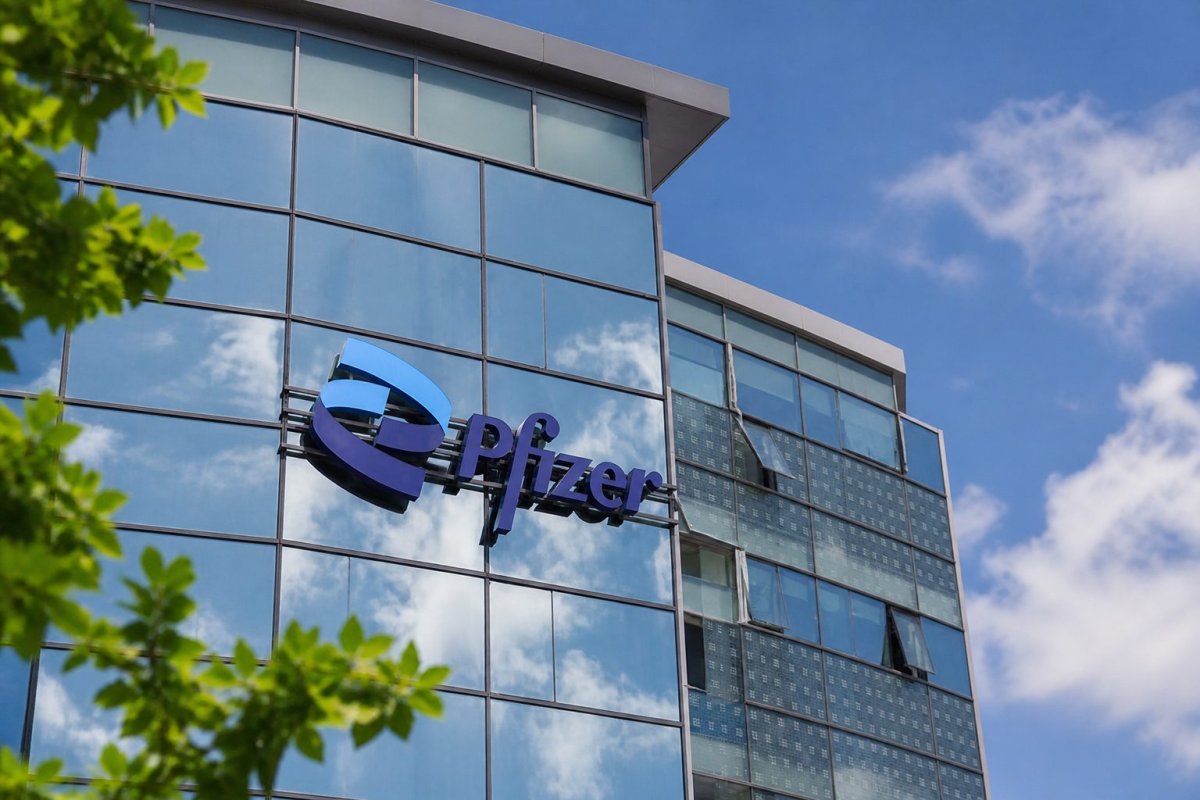
Pfizer (NYSE: PFE) reported first-quarter adjusted earnings of $0.75 per share on revenue of $14.45 billion, surpassing Wall Street expectations of $0.72 per share and $13.79 billion, according to data compiled by Reuters. The results, released Tuesday, highlight the pharmaceutical giant's ability to offset steep declines in its COVID-19 product sales with growth in established therapies.
Revenue from the blood thinner Eliquis, co-marketed with Bristol Myers Squibb (NYSE: BMY), rose 8% in the quarter, while sales of the bladder cancer drug Padcev surged 39%. Oncology biosimilars posted a 52% gain, and the migraine treatment Nurtec ODT/Vydura advanced 41%. Excluding the COVID-19 products Comirnaty and Paxlovid, operational revenue increased 7% on a constant-currency basis, and revenue from launched and acquired products jumped 22%.
Despite these gains, COVID-related headwinds remained significant. Comirnaty revenue fell 59% operationally, driven by reduced international shipments and softer U.S. demand following stricter vaccine guidance. Paxlovid revenue slumped 63% as infection rates and government purchasing declined. The company reiterated its full-year 2026 outlook, projecting revenue between $59.5 billion and $62.5 billion and adjusted earnings per share of $2.80 to $3.00.
Research and development expenses climbed 12% in the quarter, fueled by investments in oncology and obesity drugs. Pfizer CEO Albert Bourla described the quarter as a "strong start," pointing to momentum in oncology and obesity. CFO David Denton highlighted "solid commercial performance globally" and contributions from both launched and acquired products.
However, the patent cliff remains a central narrative for Pfizer. The company's 2026 forecast already incorporates approximately $1.5 billion in lost revenue from generic and biosimilar competition, particularly for key drugs like Eliquis and the cancer treatment Ibrance. While newer oncology assets are gaining traction, the company's pipeline must deliver products large enough to offset these looming revenue losses.
Bristol Myers Squibb also reported strong Eliquis sales, up 16% to $4.14 billion, underscoring the drug's importance to both companies. Pfizer's stock traded around $26.30 in early premarket activity, with little movement. Citigroup analyst Geoff Meacham maintained a Neutral rating on the stock, raising his price target to $27 from $26.
Pfizer's quarterly performance offers a temporary reprieve, but the underlying challenges remain significant. The company must navigate declining COVID revenues and the impending impact of generics on its top-selling drugs, while ensuring its pipeline investments yield sufficient returns to sustain long-term growth.