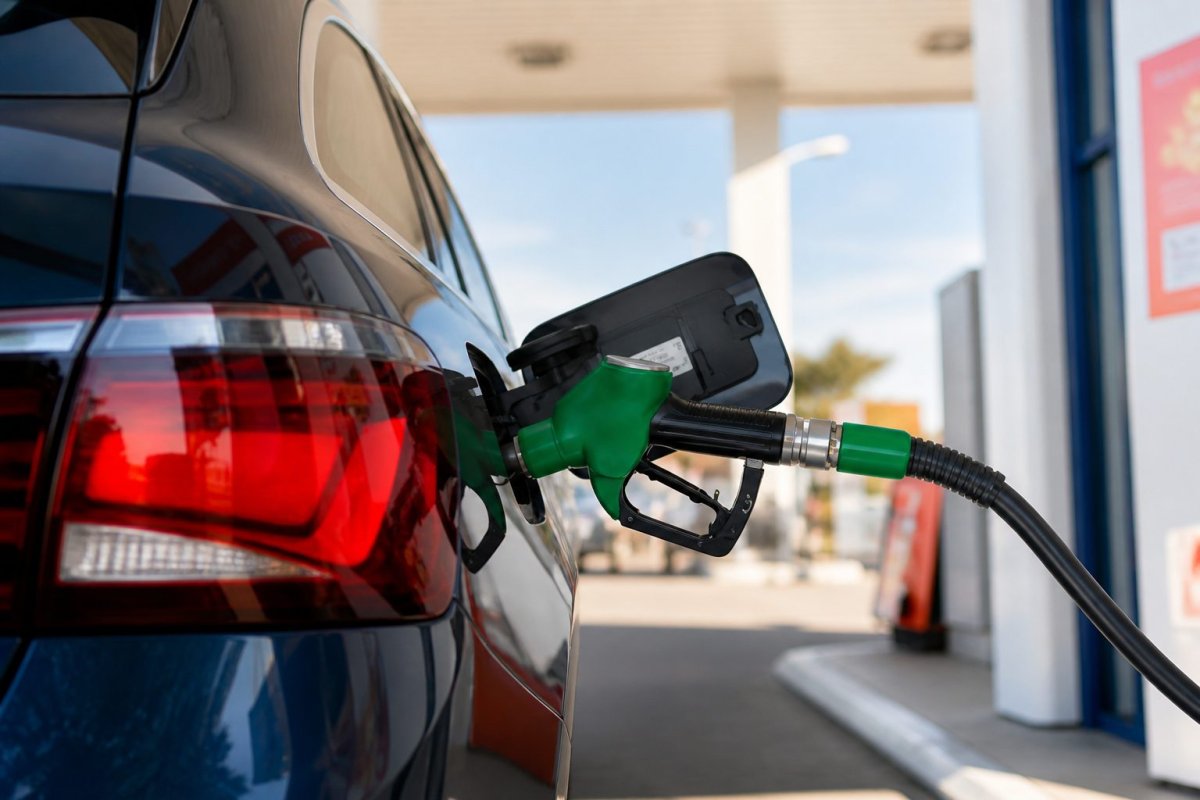
Metro Detroit drivers faced a steep increase in gasoline prices on Monday, with the average price for a gallon of regular unleaded climbing to $4.82. This marks a jump of nearly 66 cents from the previous week, driven by a confluence of global and local factors. The escalation follows an Iranian military strike in the Strait of Hormuz and a temporary shutdown at a BP refinery in Whiting, Indiana, which together have tightened fuel supplies and sent shockwaves through energy markets.
Regional and National Price Trends
According to data from GasBuddy and AAA, Michigan's statewide average reached $4.828 per gallon on Tuesday, surpassing the national average of $4.483. Neighboring states also saw elevated prices: Ohio averaged $4.838, while Indiana stood at $4.784. For Michigan drivers, filling a typical 15-gallon tank now costs approximately $73, a significant burden for households already grappling with inflation.
AAA spokesperson Adrienne Woodland noted that Michigan motorists are "feeling the squeeze" as they wait for oil prices to ease and gasoline inventories to recover. The price spike is not confined to the region; it reflects broader market pressures that have pushed Brent crude futures to $114.44 per barrel, a 5.8% increase, while West Texas Intermediate closed at $106.42.
Oil Market Volatility and Geopolitical Risks
The surge in oil prices is largely attributed to heightened geopolitical tensions in the Middle East. Iranian attacks on vessels in the Strait of Hormuz, a critical chokepoint for nearly 20% of global oil and gas shipments, have raised fears of supply disruptions. A fire at a UAE oil port further exacerbated concerns. On Monday, two American-flagged merchant vessels transited the strait under U.S. military escort, but analysts caution that the route remains perilous. Tim Waterer, chief market analyst at KCM Trade, described the successful passage as "a one-off event," while Priyanka Sachdeva of Phillip Nova noted that prices remain in a "highly volatile range."
Edward Jones analyst Brock Weimer commented that with oil holding above $100 per barrel, fiscal stimulus acts merely as a "shock absorber" rather than a driver of economic growth. The uncertainty has kept markets on edge, with Brent crude slipping slightly on Tuesday after the U.S.-flagged Maersk vehicle carrier exited the Gulf, but the overall outlook remains uncertain.
Supply and Demand Dynamics
The latest data from the Energy Information Administration shows that U.S. gasoline demand ticked up to 9.10 million barrels per day from 9.05 million, while domestic supply fell to 222.3 million barrels from 228.4 million. Morgan Stanley projects that gasoline inventories could decline further to roughly 198 million barrels by late August, and that gasoline margins—the spread between wholesale gasoline and crude—could rise by an additional $10 to $15 per barrel if Strait of Hormuz risks persist. Conversely, a pickup in imports, easing tensions, or softer demand could push margins lower.
The supply crunch has been compounded by record U.S. exports of gasoline, diesel, crude, jet fuel, LNG, and ethane in early 2026, as American producers help fill global gaps. However, Reuters columnist Gavin Maguire notes that this export surge is drawing political criticism ahead of the November midterms, as domestic fuel prices remain elevated.
Local Impact and Historical Context
While Detroit is not in uncharted territory—the all-time high for regular unleaded was $5.307 per gallon in June 2022—the rapid price increase is straining household budgets. Diesel fuel, a key input for transportation and agriculture, set a new local record at $6.023 per gallon, according to AAA data. The combination of geopolitical risk, refinery outages, and strong demand suggests that relief at the pump may be slow to arrive, leaving drivers and policymakers searching for solutions.