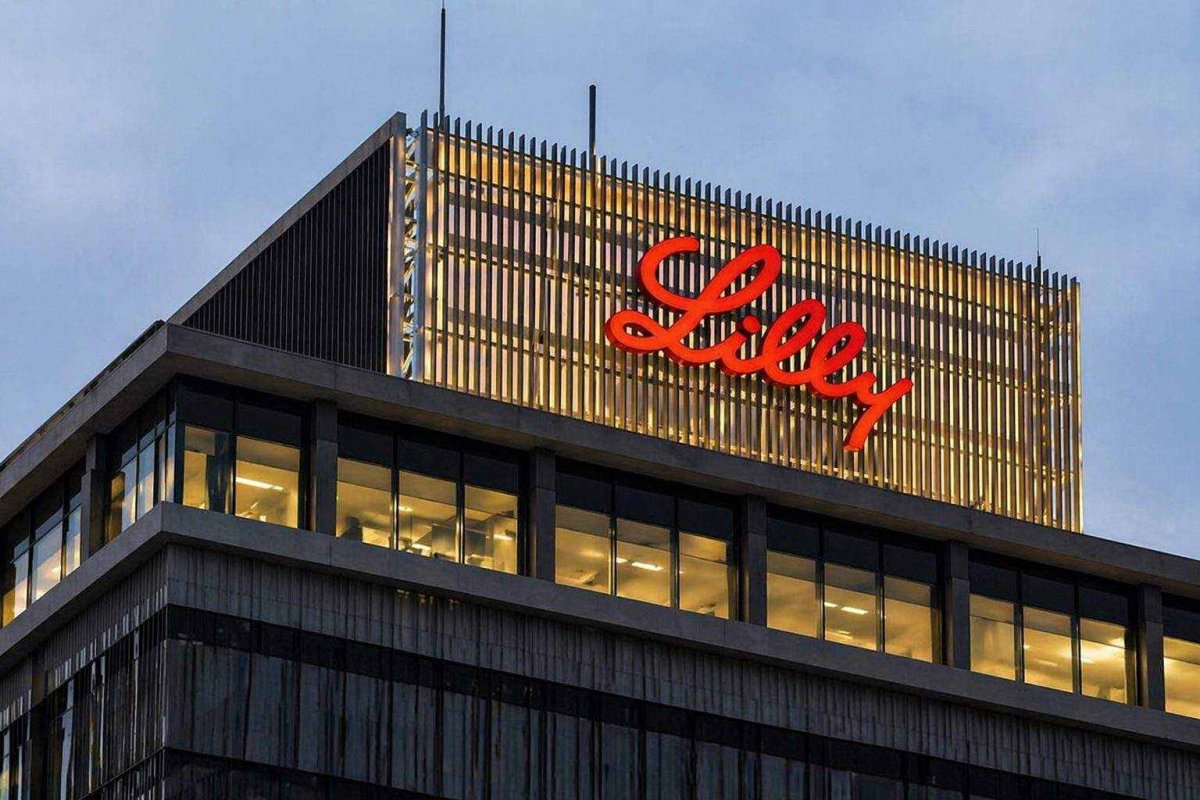
Eli Lilly and Company has entered into a definitive agreement to acquire Kelonia Therapeutics, a Boston-based biotechnology firm, in a transaction valued at up to $7 billion. The deal, announced on Monday, April 21, 2026, includes an upfront cash payment of $3.25 billion, with the remaining $3.75 billion contingent upon the achievement of specific clinical, regulatory, and commercial milestones. This acquisition significantly bolsters Lilly's presence in the competitive field of oncology and cell therapy.
Strategic Expansion into Next-Generation Oncology
The move represents a strategic pivot for Lilly as it seeks to diversify its portfolio beyond its blockbuster obesity and diabetes franchises. The global market for cancer therapeutics is projected to grow substantially, with IQVIA forecasting worldwide spending to surge from approximately $223 billion in 2025 to $409 billion by 2028. By acquiring Kelonia, Lilly gains immediate access to a promising in vivo CAR-T platform, a technology considered by many analysts to be the next frontier in cell therapy.
Kelonia's Flagship Asset: KLN-1010
At the core of the acquisition is Kelonia's lead candidate, KLN-1010, which is currently in Phase 1 clinical trials for the treatment of relapsed or refractory multiple myeloma. Unlike conventional CAR-T therapies, which require a complex and time-consuming process of extracting, engineering, and reinfusing a patient's T-cells, KLN-1010 is designed to genetically reprogram T-cells inside the patient's own body. This "in vivo" approach aims to circumvent the manufacturing bottlenecks and lengthy wait times associated with existing treatments, potentially offering a simpler, off-the-shelf solution.
Jacob Van Naarden, President of Lilly Oncology, highlighted the potential for this platform to accelerate treatment for patients. Initial human trial data released by Kelonia in December 2025 showed that all four patients treated with KLN-1010 were still responding to therapy, with follow-up data extending to five months. Kevin Friedman, CEO of Kelonia, expressed confidence that Lilly's global reach and resources would help advance the platform beyond its current focus on blood cancers.
Market Context and Competitive Landscape
If KLN-1010 proves successful in larger trials, Lilly could enter a market segment currently occupied by therapies like Johnson & Johnson's Carvykti and Bristol Myers Squibb's Abecma, both of which target the BCMA antigen in multiple myeloma. The substantial upfront payment for Kelonia underscores the intense competition and high value placed on securing a leading position in the in vivo CAR-T space. RBC Capital Markets analyst Trung Huynh described the technology as the "holy grail" of cell therapy, justifying the premium price tag.
This transaction marks Lilly's third major acquisition of a Massachusetts-based biotech firm in 2026, following its $2.4 billion purchase of Orna Therapeutics in February and a $7.8 billion agreement with Centessa Pharmaceuticals on March 31. Upon closure of the Kelonia deal, expected in the second half of 2026 pending regulatory approvals, Lilly will integrate approximately 62 employees, most based in Boston.
A Dramatic Turnaround for Kelonia
The deal represents a dramatic financial turnaround for Kelonia. Reports indicate the company had stretched an initial $60 million in funding across five years, coming perilously close to depleting its cash reserves on three separate occasions—sometimes within a week of running out—before Lilly's offer emerged. This occurred despite early-stage backing from venture capital firm Venrock. Bryan Roberts, a Kelonia board member and partner at Venrock, cited Lilly's significant commitment as a "testament to the data" generated by the company.
Despite the promising early data, significant hurdles remain. KLN-1010 is only in Phase 1 development, with efficacy and safety data from just four patients. Lilly's full $7 billion payout is contingent on the program successfully navigating future clinical trials, regulatory approvals, and commercial milestones. Market reaction was muted, with Lilly's shares trading down approximately 2.5% at $897.19 by late morning on Tuesday following the announcement.