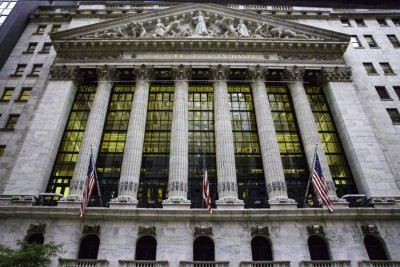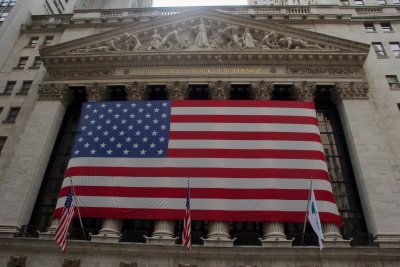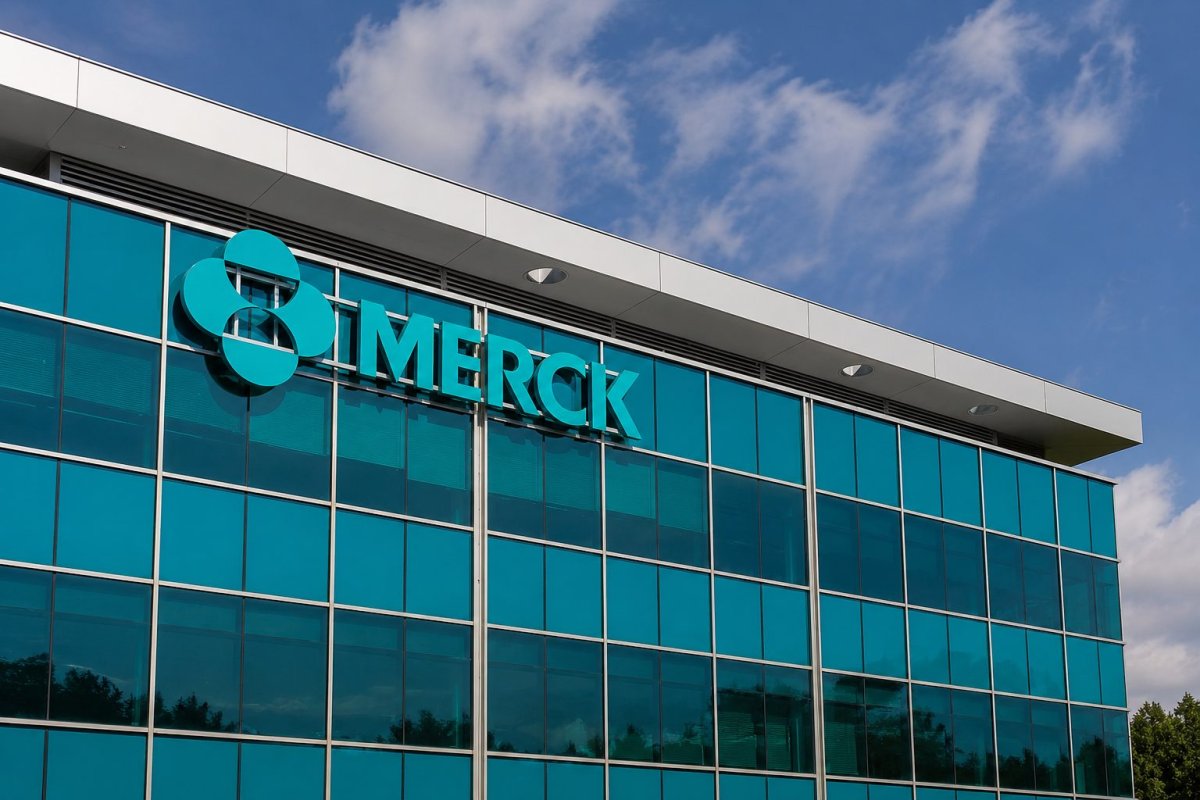
Merck & Co. (NYSE: MRK) shares climbed 4.9% to $120.26 late Thursday, adding $5.59 and positioning the pharmaceutical giant among the top performers in a Dow Jones rally led by healthcare stocks. According to MarketWatch, UnitedHealth and Merck together accounted for roughly one-third of the Dow's gains earlier in the session.
The rally comes as investor concerns over the looming patent expiration of Merck's blockbuster cancer immunotherapy Keytruda have eased, thanks to promising new data presented at the American Society of Clinical Oncology (ASCO) meeting this week. Keytruda generated over $30 billion in sales in 2025, representing nearly half of Merck's total revenue. U.S. exclusivity for the drug is set to expire in 2028, when biosimilar competitors are expected to enter the market.
At the Jefferies Global Healthcare Conference on Thursday, Merck's head of late-stage oncology clinical development, Marjorie Green, described ASCO as "an exciting time for Merck." She highlighted results from the OptiTROP-Lung05 study, which evaluated sacituzumab tirumotecan (sac-TMT) in combination with Keytruda. The data showed a clinically meaningful improvement in progression-free survival, although overall survival figures remain immature.
During Merck's June 1 investor event at ASCO, Dean Li, head of Merck Research Laboratories, emphasized that Keytruda now holds 44 FDA approvals across 19 tumor types and two tumor-agnostic categories. He also noted that the company has approximately 60 Phase 3 oncology studies underway, with 40 focused on new pipeline drugs. Li stated that Merck is targeting a "steady stream or cadence" of significant data releases.
Competition in the PD-1/VEGF space remains intense, but Merck's Keytruda appears to have maintained its lead. Akeso/Summit's ivonescimab reduced the risk of death by 34% in a Phase 3 lung cancer trial in China, but investors were not convinced the results would translate to U.S. or global markets. BMO Capital Markets analyst Evan David Seigerman wrote, "King Keytruda's reign continues," calling ivonescimab "hardly the competitive threat" that was anticipated.
Merck is pushing sac-TMT, an antibody-drug conjugate (ADC), as a key pipeline asset. ADCs use an antibody to deliver a toxic payload directly to tumor cells. Sac-TMT is part of the TroFuse development program, which the company says covers early to late-stage disease in more than nine disease areas and over 15,000 patients globally. Shweta Jain, an oncology executive at Merck, told BioPharma Dive that the company views sac-TMT as "one of our cornerstone ADCs," adding that the new data provide an "increasing level of confidence" as global studies continue. Gilead's Trodelvy and AstraZeneca/Daiichi Sankyo's Datroway are the main competitors in the TROP2-directed ADC space, but the first-line lung cancer market remains open.
Merck's financial performance has been mixed. In April, the company reported first-quarter sales of $16.3 billion, a 5% increase year-over-year. Keytruda sales jumped 12% to $8.03 billion, while Gardasil vaccine sales dropped 19%. Merck raised the midpoint of its 2026 sales outlook to $65.8 billion-$67.0 billion. CEO Robert Davis said the company was "moving with speed to transform our portfolio." The quarter included a $3.62-per-share charge related to the Cidara acquisition.
Despite Thursday's rally, some analysts caution that the optimism may be premature. China-based cancer data may not hold up in broader global studies, and regulators could impose stricter safety or survival requirements. Any delay in new approvals would leave Keytruda shouldering more of the revenue burden as biosimilars approach. Weakness in Gardasil sales and ongoing pricing pressure could further squeeze margins.
Investors are now looking ahead to June 9, when CEO Robert Davis and R&D head Dean Li are scheduled to speak at Goldman Sachs' global healthcare conference. The market expects more than broad pipeline talk; they want specifics on which assets can convert trial success into approvals, reimbursement, and sales before Keytruda's patent cliff.
For now, Merck's stock is rallying on relief, but a full re-rating will depend on the company turning its pipeline into clear earnings growth, not just impressive science.