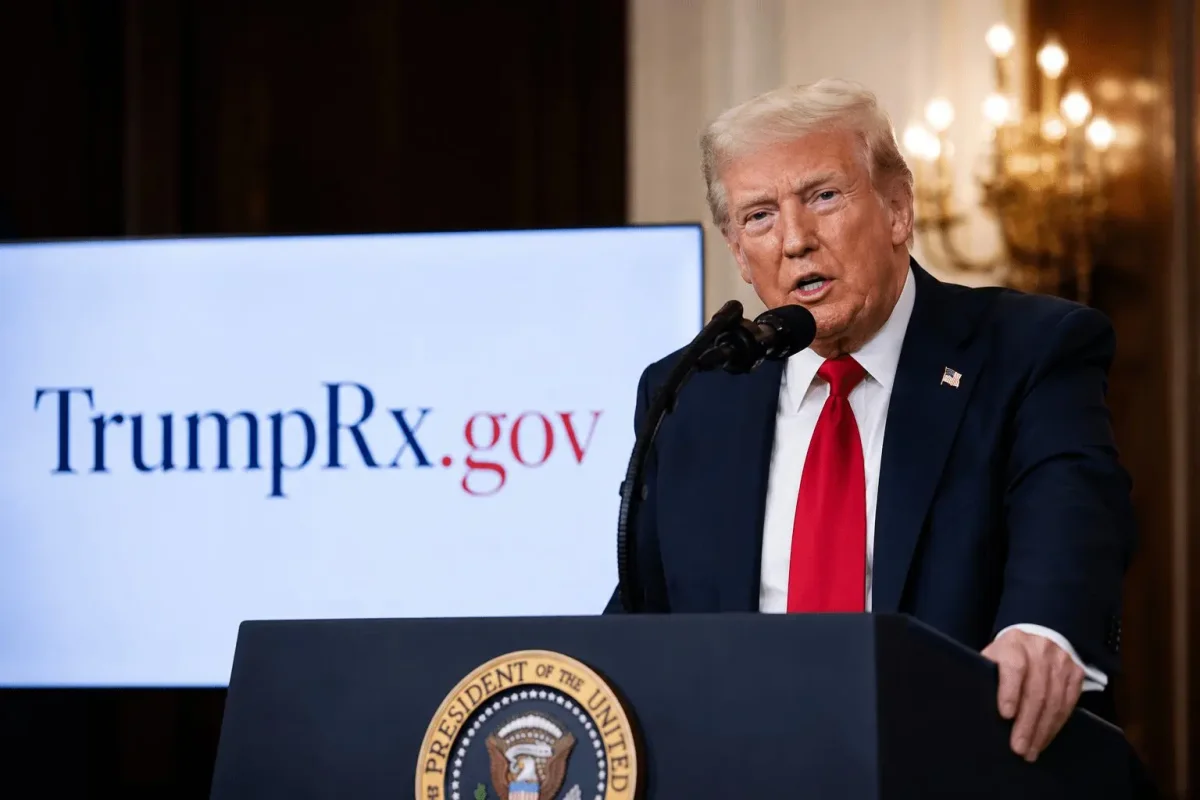
NEW YORK, July 17, 2026 – The TrumpRx initiative has been positioned as a transformative force in U.S. drug pricing, but a closer look reveals that its reach remains far more limited than widely publicized. As of early Friday, the program's live catalogue listed only 79 so-called "presidential deals," encompassing approximately 10% of the branded drug portfolios from the 17 participating pharmaceutical companies. This figure stands in stark contrast to the commonly cited benchmark of more than 800 medicines, a number that largely reflects generic product listings rather than brand-name discounts.
The White House added over 600 new listings in May, primarily comparing generic cash prices, which are kept separate from the discounted prices negotiated for branded products. This shift places greater risk on cash-pay segments for investors, with obesity and fertility drugs included in the program while many major insured blockbusters remain absent. The distinction is critical for understanding the program's actual market impact.
Company-Level Exposure Varies Widely
An analysis of first-quarter 2026 sales data highlights the uneven exposure among key players. Pfizer (NYSE: PFE), for instance, has left its blockbuster cancer drug Ibrance off the TrumpRx list, despite Ibrance generating $1.008 billion in Q1 2026, or 7.0% of the company's overall revenue. More than 100 Pfizer therapies are still not featured. Gilead Sciences (NASDAQ: GILD) shows an even larger gap: its HIV drug Biktarvy, which contributed $3.4 billion, or 48.6% of quarterly revenue, is excluded. Epclusa is listed as committed but not yet available. In contrast, Eli Lilly (NYSE: LLY) has offered a negotiated cash price for its weight-loss drug Zepbound since launch, with sales surging 79% to $4.16 billion, representing 21.0% of revenue. This positions Lilly as the leading operational performer within the TrumpRx framework.
Market Dynamics and Investor Implications
The selective participation has led Harvard Medical School researcher Dr. Ben Rome to characterize the effort as "a little bit more for show," with companies signaling engagement rather than committing their full portfolios. Usage data from KFF indicates that only 7% of prescription drug users visited TrumpRx in the last month, though that figure rises to 16% among current or former GLP-1 users. Ronna Hauser, senior vice president at the National Community Pharmacists Association, noted that pharmacists are seeing patients "here and there," with demand remaining inconsistent.
The emphasis on generic expansion has affected search traffic more than manufacturer pricing, as the program focuses on comparing independent cash offers rather than launching additional branded discounts. However, a potential shift could come from CVS Health (NYSE: CVS) Caremark's proposed agreement with the FTC, which may allow eligible TrumpRx payments to count toward patient deductibles if certain legal or regulatory modifications occur. The proposal is currently open for public comment.
Market Reaction and Forward Outlook
As of 04:14 EDT, U.S. regular trading had not started, but Nasdaq 100 futures dropped 1.6% in active premarket trade, while S&P 500 futures slipped about 0.9%. On Thursday, Pfizer gained 1.3%, Gilead rose 3.4%, and Lilly was up 1.1%, even as the S&P 500 shed 0.5%. These movements do not offer a clear read on TrumpRx's impact. Pfizer is set to report results on August 4, with Lilly following on August 5. Heading into next week, policy rollout and major brand introductions will be top priorities.
Key risks include the potential inclusion of major brands, which could increase price competition in the short term. Deductible credits may help drive higher volumes, possibly offsetting some effects from lower net prices. However, limited adoption could diminish the extent of both trends. Currently, TrumpRx functions as a specialized cash-payment platform and has not launched a full-scale transformation of Big Pharma's economic framework.