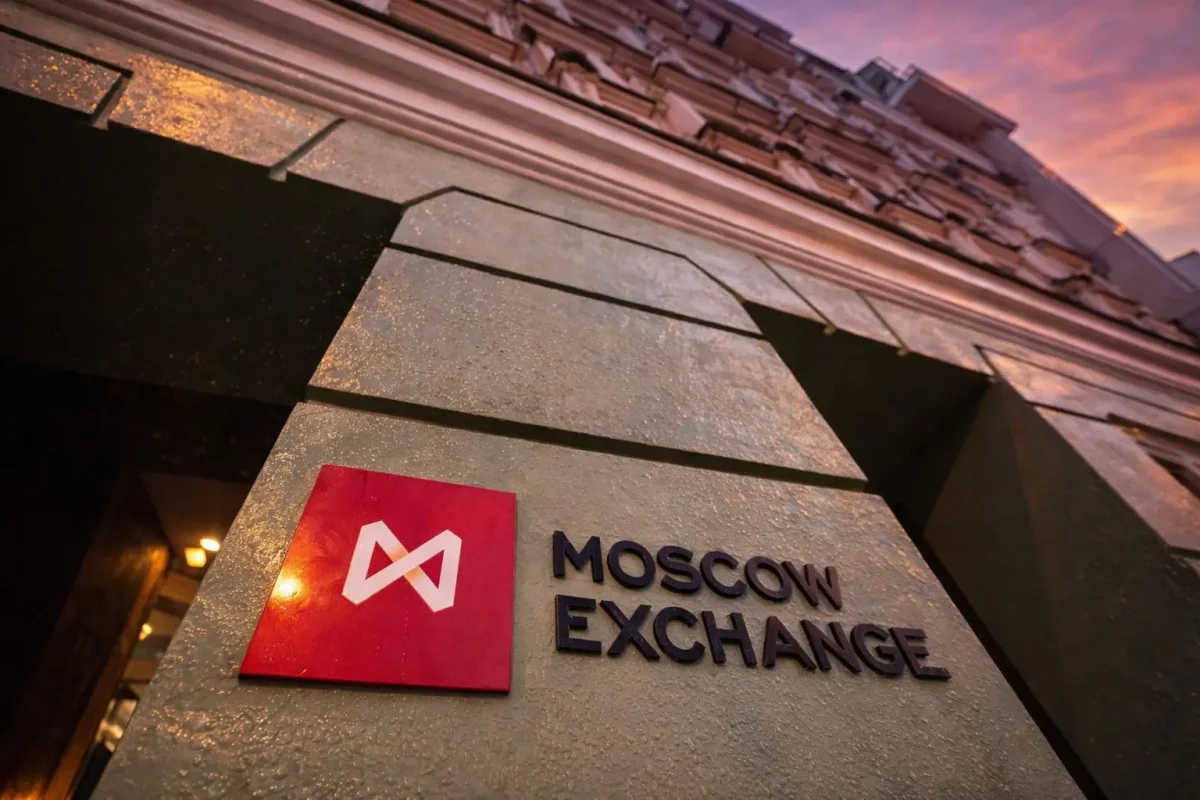
Shares of the Moscow Exchange (MOEX) registered a modest gain during weekend trading, advancing 0.2% to 183.88 roubles as of 11:38 MSK on Sunday. The uptick was supported by heightened volatility in global oil markets following renewed military strikes in the Middle East.
Market Context and Index Performance
The broader MOEX Russia Index concluded Saturday's session largely unchanged. However, select energy constituents outperformed, with Tatneft and Lukoil leading the advancers. The index itself closed at 2,799.14 on February 27, marking a daily gain of 0.49%. Weekend trading activity typically experiences lower liquidity compared to standard weekday sessions, a structural feature of the exchange's extended schedule.
Oil as the Primary Catalyst
Geopolitical friction involving the United States, Israel, and Iran has injected uncertainty into energy markets, with investors assessing potential ripple effects for Russian energy equities and the rouble. Supply concerns have centered on the vital Strait of Hormuz, a critical chokepoint for global crude shipments. During initial market reactions, Brent crude futures traded near the $70 per barrel level.
This oil-driven volatility presents a dual-edged sword for Russian markets. While it can bolster energy stock prices and potentially increase trading activity on the exchange, it also introduces significant headline risk. The situation remains fluid, and any de-escalation in the region or signals of tighter supply management from producer groups could quickly reverse the supportive price momentum.
Upcoming Market Catalysts
Traders are preparing for a series of high-impact events in the coming weeks. The immediate focus is on MOEX's scheduled release of its February trading volume statistics on Monday, March 2. This data will provide a crucial read on fee-generating activity as the first quarter progresses. Furthermore, the exchange has indicated that its full-year International Financial Reporting Standards (IFRS) results are slated for publication sometime in March.
OPEC+ and Central Bank in Focus
The Organization of the Petroleum Exporting Countries and its allies (OPEC+) are set to convene this Sunday. Market sources suggest the coalition may consider a larger-than-anticipated increase in production quotas in response to the recent oil price spike, a move that could dampen the current rally.
Domestically, the Bank of Russia's monetary policy committee will announce its next decision on the key interest rate on March 20. At its previous meeting on February 13, the central bank reduced the benchmark rate to 15.50%. This upcoming decision represents a major macroeconomic signal for capital flows and currency stability.
Structural Changes to Indices
Adding another layer to the March 20 event cluster, Moscow Exchange will implement its latest quarterly index review. The changes, effective March 20, will see retailer Lenta added to the MOEX Russia Index and the RTS Index. The review will also include other adjustments to index compositions and free-float calculations, which refer to the portion of shares readily available for public trading.
The confluence of the central bank's rate announcement and the index rebalancing on the same day is likely to concentrate trading activity and volatility. Market participants will be navigating these simultaneous structural and policy shifts.
In summary, while weekend price action was subdued, the Moscow Exchange finds itself at the intersection of geopolitical energy shocks and a dense calendar of domestic financial events. The path for Russian equities in the near term will be dictated by the interplay between oil market dynamics, exchange volume trends, producer group decisions, and central bank policy.