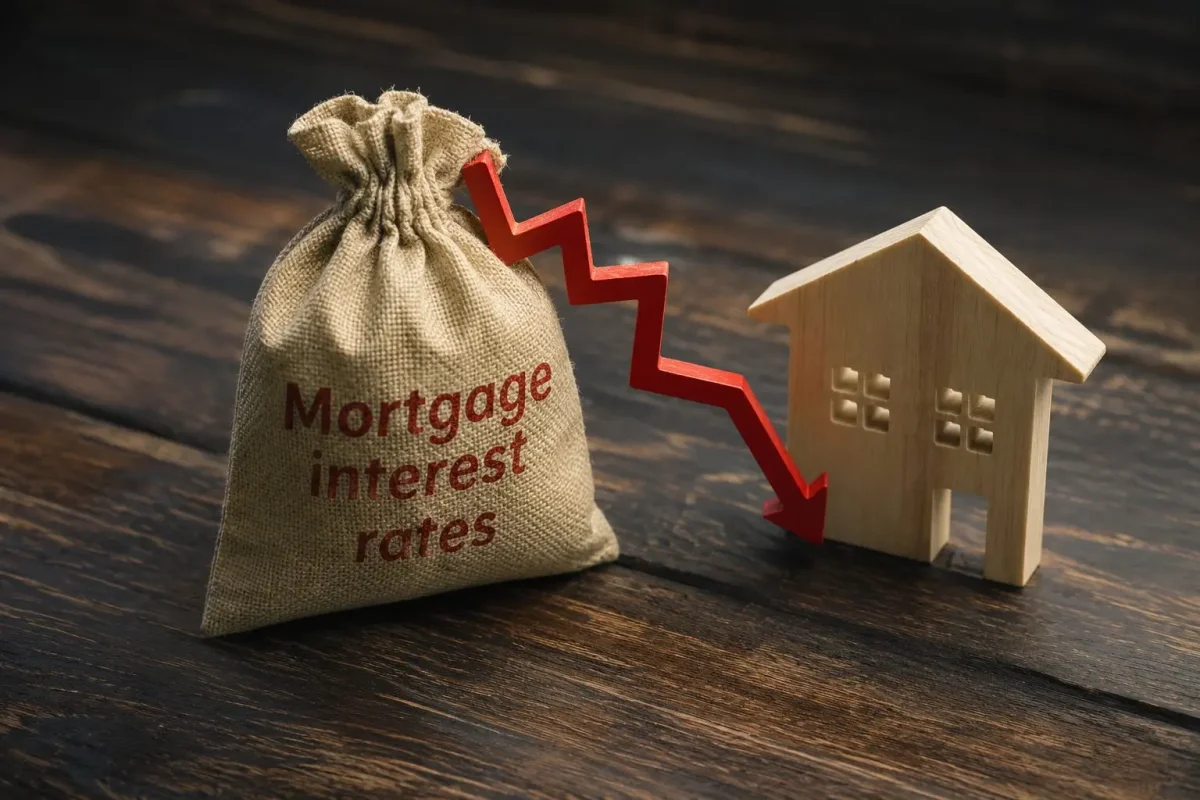
NEW YORK, June 8, 2026 – U.S. mortgage rates edged down from a nine-month high, providing a modest reprieve for potential homebuyers. However, daily rate measures remain in the mid-6% range as markets digest solid employment data and escalating tensions in the Middle East. Freddie Mac reported the average 30-year fixed mortgage rate at 6.48% for the week ending June 4, down from 6.53% the prior week. Sam Khater, chief economist at Freddie Mac, noted that affordability is "marginally improving."
Mixed Signals for Summer Housing Market
The housing market faces a conflicting landscape this summer. On one hand, buyers benefit from a larger inventory of homes and declining asking prices. The national median listing price fell 2.4% year-over-year to $429,500 in May, marking the steepest annual decline in Realtor.com's data since at least 2017. On the other hand, high monthly payments continue to exclude many from the market. Existing-home sales have remained stagnant since 2022, when mortgage rates surged from pandemic-era lows. The market will receive its next update with the May sales report due next week.
Rate Variability Across Lenders
The relief from lower rates appears fragile. Bankrate's daily national average for a 30-year fixed purchase mortgage stood at 6.53% early Monday, while the 15-year fixed rate was at 5.89%. The Wall Street Journal's Buy Side rate page mirrored Bankrate's 6.53% figure for June 8. However, rates vary significantly across lenders. NerdWallet, using Zillow data, reported the 30-year fixed rate at 6.36% with an APR of 6.38%, factoring in fees. Differences in loan size, credit ratings, points, and fees often complicate direct comparisons.
Demand Shows Signs of Life
Despite headwinds, housing demand remains resilient. HousingWire lead analyst Logan Mohtashami reported pending sales reached 75,935 last week, up from 69,636 during the same week last year. Active inventory stood at 806,198. While purchase applications fell 3% week-over-week, they remain 7% higher year-over-year, according to Mohtashami. However, the Mortgage Bankers Association noted total mortgage applications declined 2.5% last week, marking the third consecutive weekly drop. Purchase loan applications hit their slowest pace since April, and refinancing activity also slowed, even as the 15-year Freddie Mac rate dipped to 5.79% from 5.87%.
Sellers Adjust Pricing Strategies
Sellers are increasingly bearing the burden of a shifting market. The 2.4% decline in median listing prices to $429,500 in May reflects a strategic pivot. "Sellers are pricing to sell rather than pricing to test the market," said Jake Krimmel, senior economist at Realtor.com. Homes under contract rose 4.3% from a year ago, suggesting that lower prices are attracting some buyers.
Risks of Higher Rates Loom
The potential for rates to rise again before lower-priced listings can draw in more buyers remains a key risk. The Labor Department reported that employers added 172,000 jobs in May, with the unemployment rate steady at 4.3%. This robust labor market weakens the case for the Federal Reserve to cut interest rates soon. Treasury yields moved higher Monday as traders reacted to the jobs data and new tensions in the Middle East. Mortgage rates typically follow the 10-year Treasury yield, a key benchmark for lenders.
Geopolitical and Inflationary Pressures
Oil prices and inflation continue to influence market dynamics. Joel Berner, senior economist at Realtor.com, identified the Iran conflict as the "main driver of still-high mortgage rates," as rising oil costs fuel inflation concerns. Bankrate cited Jeff DerGurahian, chief economist at loanDepot, who noted that rates are "sensitive to headlines and incoming data." HousingWire's Mohtashami emphasized that housing activity typically slows when mortgage rates reach 6.64% and declines more sharply above 7%. Currently, rates remain below these thresholds, but the market is closely watching.