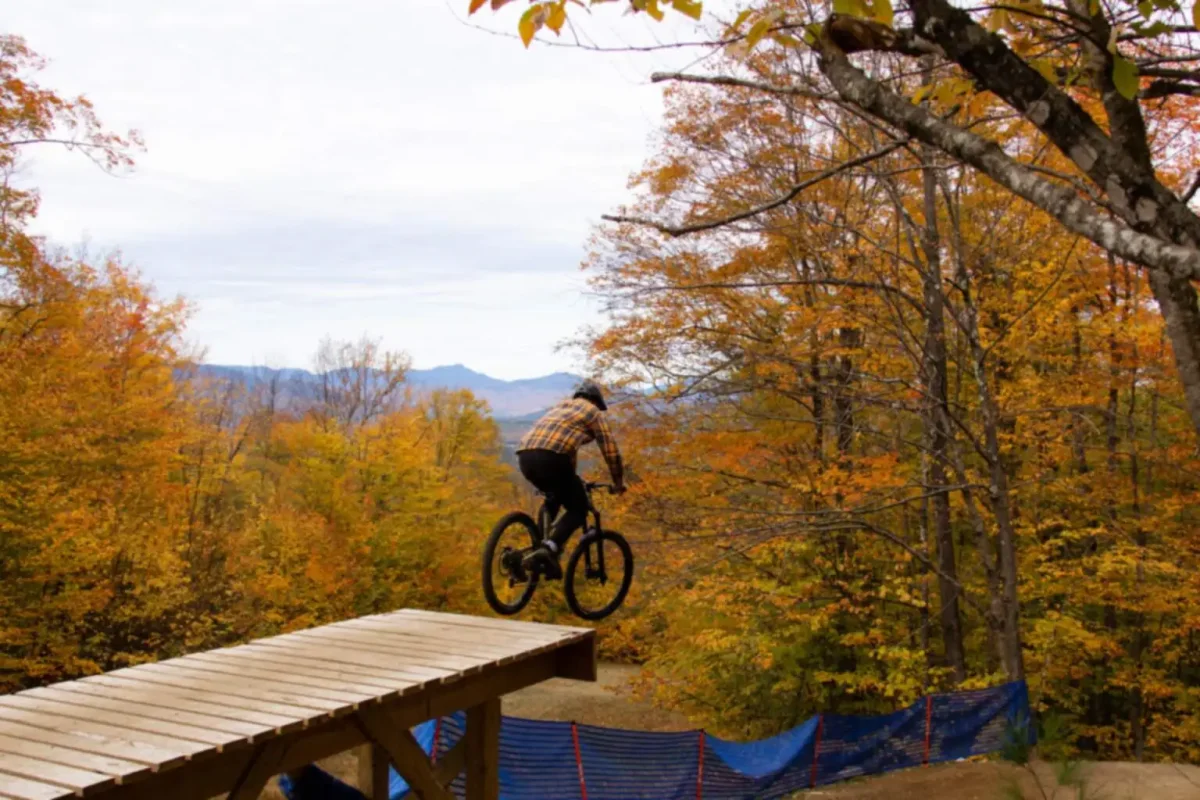
The mountain bike industry is undergoing a fundamental transformation. Rather than relying solely on bicycle sales, the sector's future is increasingly tied to where people ride, the services that support those experiences, and the digital platforms that convert interest into bookings and trail visits.
Post-Pandemic Reset Creates New Priorities
The bicycle market's post-COVID correction has been severe. Manufacturers and retailers faced bloated inventories, forcing widespread discounting and a focus on cash preservation. Yet rider participation, e-bike adoption, and investment in destination riding have remained robust. The result is a market where value is migrating toward experiences, infrastructure, and recurring services rather than one-time product sales.
From Products to Ecosystems
While the traditional mountain bike economy revolves around frames, suspension, drivetrains, and apparel, it now encompasses bike parks selling lift or trail access, rental fleets, coaching and skills academies, events, and hospitality. This explains how a weak wholesale year can coincide with bustling trails: bike manufacturers depend on replacement cycles and dealer inventories, while bike parks rely on visits, weather, and trail quality. The two businesses reinforce each other, but their revenue cycles differ.
Key Market Signals
- Europe: CONEBI reports that 2024 bicycle and e-bike sales normalized toward pre-pandemic levels, easing the inventory shock. Future growth must come from innovation and rider activity.
- Germany: In 2025, approximately 3.8 million bicycles and e-bikes were sold, with e-bikes comprising 52.7% of units. Mountain bikes accounted for 21.4% of total sales. E-MTBs represented 38% of German e-bike unit sales. The market generated €5.85 billion, down 7.7% year-over-year, with average prices declining.
- United States: PeopleForBikes estimates 112 million Americans (35% of those aged three and older) rode a bicycle at least once in 2024, providing a broad base for trail systems and parks.
Corporate results echo this cautious optimism. Giant Group reported 2025 revenue of NT$60.25 billion, describing the global bicycle market as gradually recovering with channel inventory adjustments nearing completion. However, recovery does not mean a return to pandemic-era demand. Producers must maintain disciplined product ranges, healthy dealer inventories, and compelling reasons for riders to ride more often.
E-MTBs Expand the Addressable Market
E-mountain bikes are strategically vital because they change who can ride, how far they can travel, and how many runs they can complete. They enable older riders, mixed-ability groups, and tourists to tackle demanding terrain. For parks and destinations, e-MTBs can lengthen visits and support premium rentals, guided tours, and battery services. Yet they also raise operational challenges: trail access rules vary by e-bike class, batteries require trained service and safe storage, and heavier bikes increase maintenance and braking loads. Successful operators will need clear policies and suitable trails, not just a charging station.
Bike Parks: More Than Lift Tickets
The global bike park market lacks a universally accepted revenue figure, spanning commercial lift parks, four-season resorts, municipal trail centres, private skills parks, shuttle networks, and free public trails. Many operators report mountain biking within broader resort or tourism accounts. Nonetheless, the economic logic is clear. In North America and the Alps, ski resorts use downhill mountain biking to monetize lifts, lodging, and hospitality assets during summer. The UK and northern Europe have strong trail-centre models where parking, food, rentals, coaching, and nearby lodging generate revenue without a chairlift. Australia and New Zealand combine destination parks with extensive public networks and shuttle services. Asia is more fragmented but offers room for growth through urban skills parks and resort projects. Latin America and Africa possess internationally attractive terrain, though transport, formal trail infrastructure, and insurance capacity remain uneven.
As the industry evolves, the winners will be those who successfully integrate products, places, and services into a cohesive ecosystem that turns interest into repeat visits and sustainable revenue.
