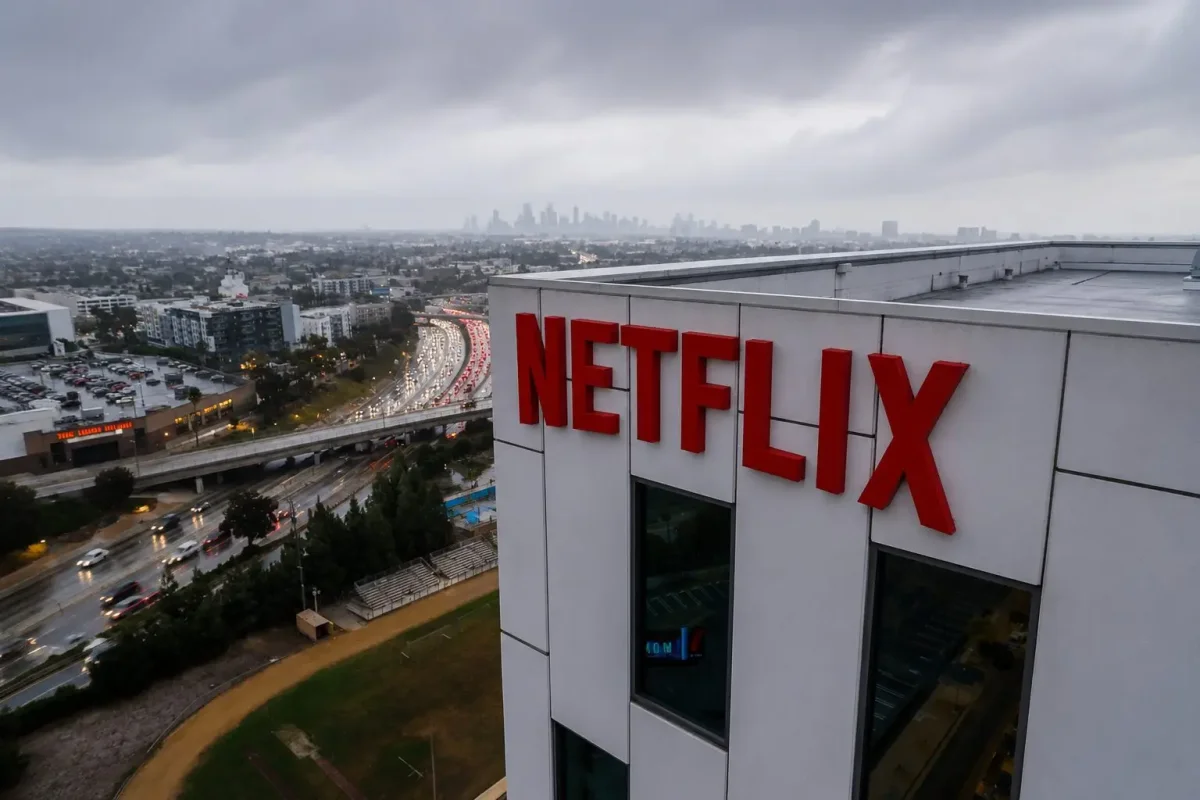
Netflix shares declined by approximately 2.7% in late-morning trading on Tuesday, settling at $79.48 after touching an intraday low of $78.46. The drop came as fresh merger and acquisition speculation weighed on investor sentiment, overshadowing the company's upcoming second-quarter earnings report scheduled for July 16.
The stock's movement was steeper than the broader market, with the Invesco QQQ Trust, which tracks the Nasdaq-100, falling only 1.5% during the same period. The decline follows reports that Netflix lost a bidding war for Roku to Fox, with the deal valued at roughly $22 billion. Additionally, chatter emerged about Netflix's potential interest in Lionsgate Studios, though no formal indication of interest has been made.
Investors have recently rewarded Netflix for its operational discipline rather than aggressive expansion. The Fox-Roku deal, which gives Fox access to over 100 million Roku households and enhanced advertising data, highlights the escalating costs of streaming distribution assets. For Netflix, renewed acquisition talk introduces risk that cash could be diverted from share buybacks, content investment, or product development. TD Cowen analyst Doug Creutz captured this concern in a note, stating, "The history of content/platform mergers in media has generally not been kind."
On a positive note, Netflix expanded its video-podcast partnership with iHeartMedia on Monday, adding shows featuring Kate Hudson, Oliver Hudson, Lele Pons, and Martha Stewart. This move is part of Netflix's broader push into podcasts and live sports to boost engagement and attract subscribers in a mature streaming market. While increased engagement supports retention, advertising inventory, and pricing power, podcasts remain an incremental catalyst rather than a near-term earnings driver.
The primary focus remains on the July 16 earnings release, when Netflix will report second-quarter results and provide its business outlook. In April, the company reported first-quarter revenue growth of 16% year over year and operating income growth of 18%, while maintaining its 2026 revenue forecast of $50.7 billion to $51.7 billion and operating margin guidance of 31.5%. For the second quarter, Netflix forecasts revenue of $12.57 billion, representing 13.5% growth, and an operating margin of 32.6%, down from 34.1% in the same period last year, as content amortization costs rise.
The bull case for Netflix rests on its pricing power, growing advertising business, and global content platform. In its first-quarter letter, the company noted that its U.S. ads plan accounted for more than 60% of sign-ups in ad-supported countries, it worked with over 4,000 advertising clients (up 70% year over year), and ad revenue remains on track to reach approximately $3 billion in 2026, roughly double 2025 levels. Conversely, the bear case highlights intense competition from Alphabet, Amazon, Apple, Comcast, Disney, Meta, Roblox, and TikTok, with deal risk now entering the valuation debate.
At current levels, Netflix appears more as a risky rebound candidate than a clear bargain. MarketScreener shows a consensus "Buy" rating from 50 analysts, with an average price target of $114.15. However, the low target stands at $80, close to the current trading price. The stock carries a price-to-earnings ratio near 25, meaning investors are paying about 25 times annual earnings per share. This valuation could be attractive if July results confirm ad growth, engagement, and margin improvements, but remains fair to risky if M&A headlines persist or second-quarter guidance disappoints.