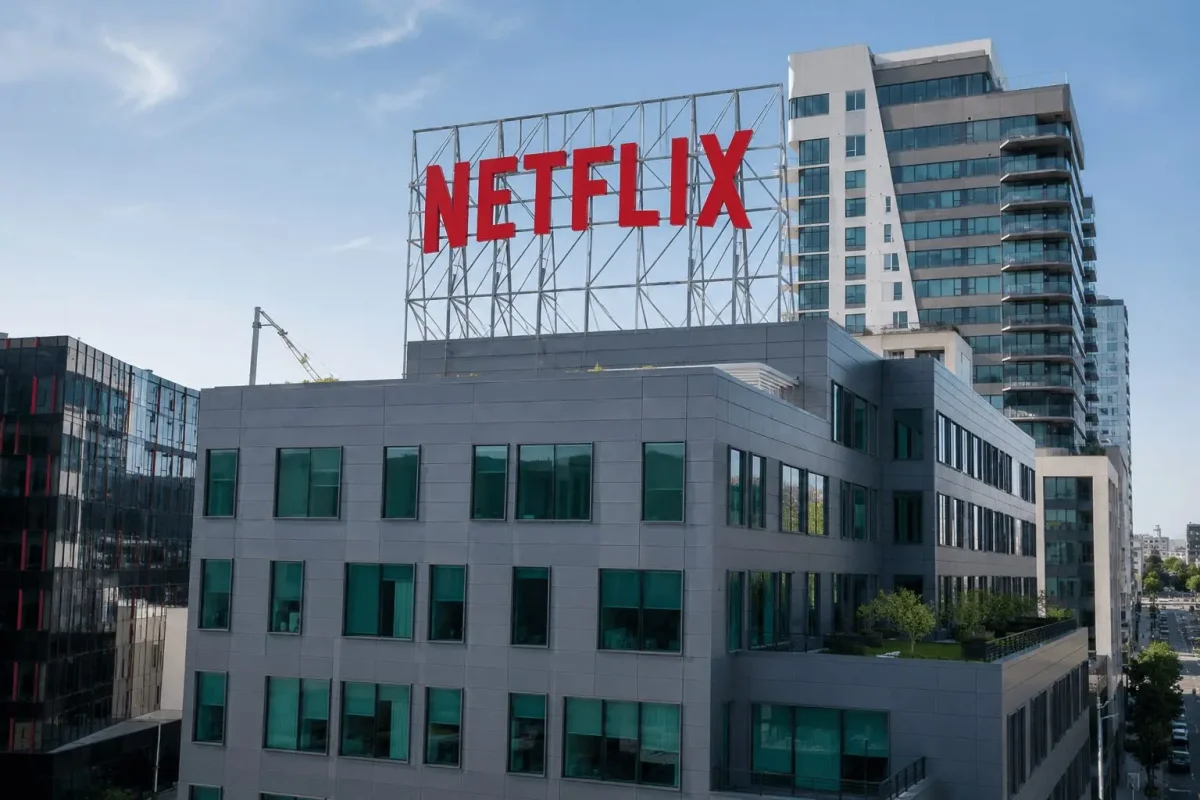
Netflix (NFLX) shares edged down approximately 0.5% in afternoon trading on Wednesday, settling near $72.45, a level close to the stock's 52-week low. Over the past year, the streaming giant's stock has declined roughly 43%, according to MarketWatch. The decline reflects ongoing investor anxiety about the company's growth trajectory, a lack of near-term catalysts, and the aftermath of failed acquisition talks with Warner Bros Discovery.
Deal uncertainty weighs on sentiment
Investor unease has intensified following Netflix's decision to withdraw from the bidding process for Warner Bros Discovery in February. Paramount Skydance subsequently emerged as the acquirer, agreeing to purchase Warner Bros for $110 billion and covering the $2.80 billion termination fee owed to Netflix. Netflix explained it chose not to match Paramount's price, characterizing the deal as less attractive. Ben Barringer, an analyst at Quilter Cheviot, described Netflix's move as a positive sign of financial discipline, calling it a "tick in the box." However, market participants remain skittish about the possibility that Netflix might pursue a large acquisition, adding to uncertainty.
Competitive pressure mounts
Netflix's market position is facing headwinds from increased competition. According to Barron's, the company's share of U.S. streaming time fell to 17% from 21% over the past two years, while YouTube has gained ground. This erosion underscores the challenges Netflix faces in sustaining viewer engagement amid a crowded streaming landscape.
Advertising and gaming initiatives
In response, Netflix is intensifying its focus on advertising and gaming to diversify revenue streams. On June 22, Omnicom Media and Netflix announced a partnership to integrate Acxiom audience data with Netflix's AI-powered ad technology, enabling personalized ad matching for viewers. The initial rollout targets Omnicom Media clients in the U.S., with expansion to additional countries planned by year-end. Megan Pagliuca, chief product officer at Omnicom Media, emphasized that "relevance drives engagement," while Jon Whitticom, Netflix's vice president of ads product, noted the tool is designed to help ads "drive outcomes."
Advertising is a critical growth area for Netflix. In January, the company projected 2026 revenue between $50.7 billion and $51.7 billion, with Chief Financial Officer Spencer Neumann expecting ad revenue to nearly double to approximately $3 billion. However, the ad business is still in its early stages, and its contribution to overall revenue remains modest.
On the gaming front, Netflix announced the launch of Unhinged, a new horror title featuring Zoë Kravitz, Sadie Sink, and Troy Baker, set to debut on June 30. The game uses players' phones as controllers and will contain no ads or in-game purchases. This move is part of Netflix's broader push to expand its gaming library and engage subscribers beyond video streaming.
Analyst concerns and margin pressures
Despite these efforts, analysts caution that advertising and gaming may not generate revenue quickly enough to offset slowing viewer growth, deal-related uncertainty, or rising costs. MarketWatch reported that analysts are examining potential margin pressure from investments in sports rights, video podcasts, and cloud gaming, which often require significant upfront spending without immediate returns. Citizens analyst Matthew Condon wrote that he "struggle[s] to find meaningful near-term catalysts," reflecting a cautious outlook.
Netflix's stock remains under pressure as the company navigates a transitional period. While its ad and gaming strategies hold promise, the path to sustained growth appears uncertain in the near term.