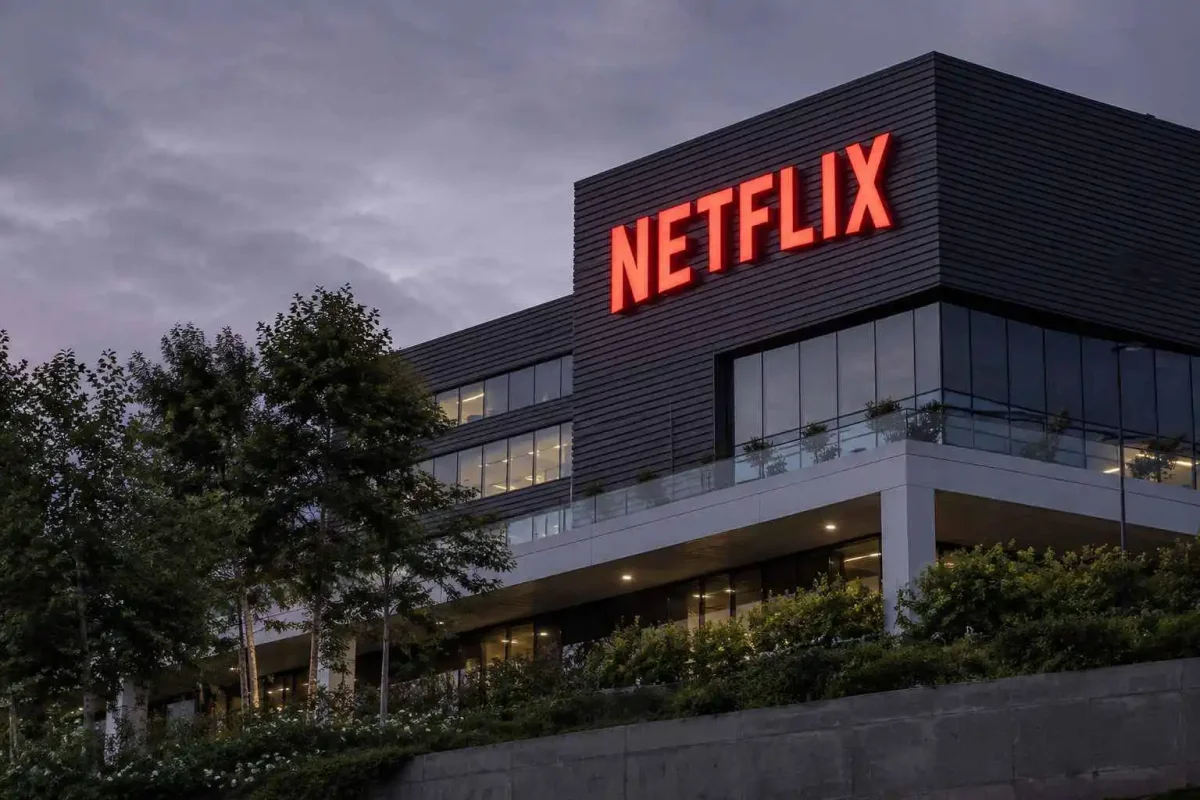
Netflix, Inc. (NASDAQ:NFLX) saw its shares rise 2.2% to $70.15 in midday trading on Wednesday, as a record-breaking share repurchase program took center stage. The buyback, which totaled $4.7 billion in the second quarter, far exceeded the company's free cash flow of $1.53 billion during the same period, underscoring a strong commitment to returning capital to shareholders.
The repurchase activity represented 3.1 times the quarterly free cash flow, a significant gap that has become a focal point for investors. With a remaining authorization of $27.1 billion, or about 9.1% of the company's market value, Netflix's buyback plan is one of the largest in corporate history. The company expects to generate approximately $12.5 billion in free cash flow for the full year 2026, implying a yield of 4.2% based on current market capitalization.
Despite the buyback boost, Netflix's revenue growth continues to decelerate. Second-quarter revenue rose 13.4% year-over-year, down from 16.2% in the first quarter. The company forecast third-quarter sales of $12.86 billion, representing 11.7% growth, which fell short of the $13 billion expected by Wall Street analysts. This slowdown has prompted questions about the sustainability of its growth trajectory.
Net income increased 8.8% from a year earlier, while diluted earnings per share rose 11.1%, aided by a 2.0% reduction in diluted shares outstanding. The arithmetic highlights how the buyback is providing per-share support even as top-line growth moderates.
Advertising revenue remains a key growth driver but is still relatively small. Netflix expects about $3 billion in ad revenue for 2026, accounting for roughly 5.9% of its projected $51.2 billion in total revenue. Co-CEO Greg Peters noted that ad-tier revenue per member still lags behind the standard plan, though the gap is narrowing as demand and fill rates improve.
Paolo Pescatore of PP Foresight described the outlook as a “naturally maturing growth profile,” cautioning that high expectations leave Netflix with little margin for error. The company's valuation premium remains wide, trading at nearly 20 times forward earnings, compared to Walt Disney (NYSE:DIS) at 13.5 times and Comcast (NASDAQ:CMCSA) at 6.6 times.
Chief Financial Officer Spence Neumann reiterated that there has been “no change to our capital allocation philosophy,” describing the second quarter as the company's largest repurchase quarter. However, the buyback alone cannot mask the revenue slowdown. The next test for Netflix will be whether its advertising business and pricing strategies can sustain cash flow through the third quarter.
Key risks include weaker-than-expected ad growth, rising content costs, and the possibility that buybacks may outpace cash generation. Additionally, less frequent viewing data could increase the discount investors demand, adding to the pressure on the stock.