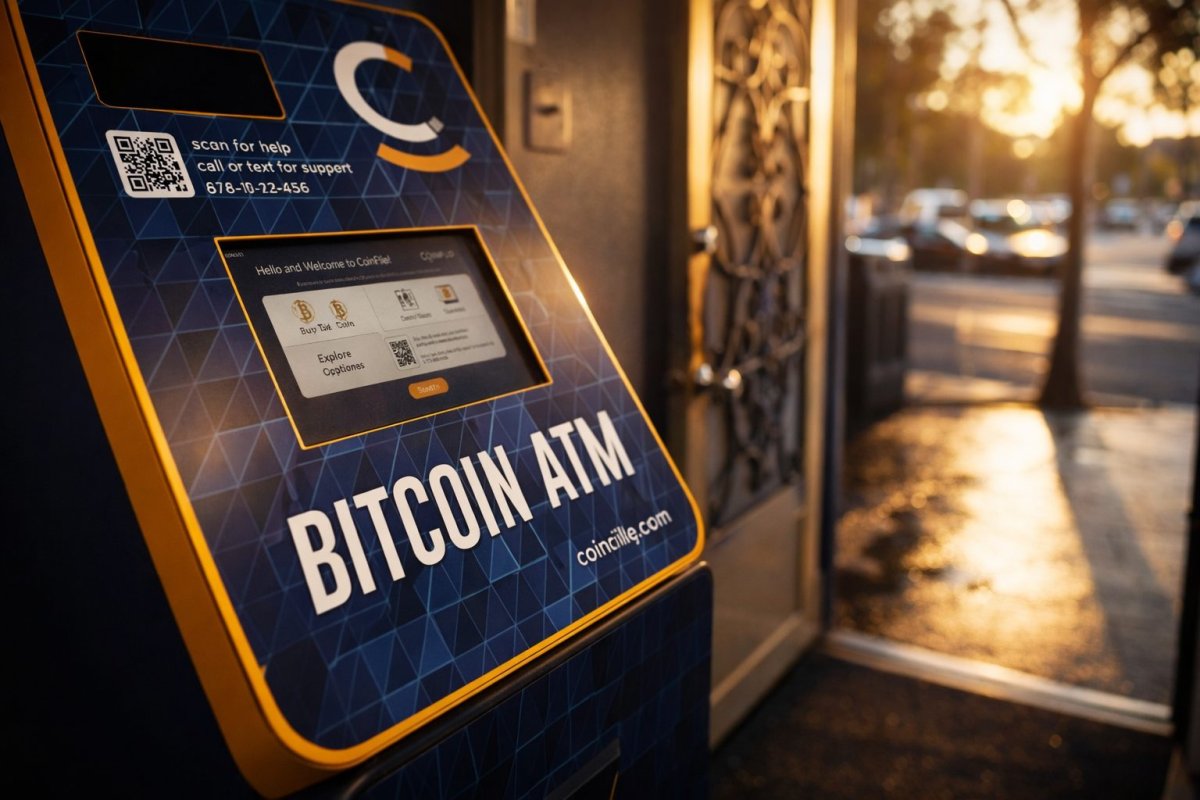
The New Hampshire Senate has passed a comprehensive bill aimed at curbing fraudulent activities at cryptocurrency automated teller machines. The legislation, which now moves to the state House for consideration, imposes strict new requirements on operators of kiosks where consumers exchange cash for digital assets like Bitcoin.
According to Federal Trade Commission data, reported losses linked to crypto ATM scams skyrocketed nearly tenfold between 2020 and 2023. In just the first six months of 2024, these losses exceeded $65 million nationwide, with a median individual loss of $10,000. Alarmingly, older Americans have borne the brunt of this fraud wave, accounting for approximately 71% of all reported crypto ATM fraud losses this year.
In New Hampshire specifically, such scams have drained an estimated $22 million from victims in 2024 alone. Testimony presented to lawmakers revealed that in Hampton, residents lost over $2.6 million, with the average victim being 66 years old.
Key Provisions of Senate Bill 482
The proposed legislation, designated Senate Bill 482, establishes several critical consumer protections. Operators must now implement a 48-hour hold on initial transactions by new customers and enforce a daily transaction limit of $2,000. The bill mandates identity verification checks and requires prominent fraud warnings to be displayed during the transaction process.
Perhaps most significantly, the bill compels operators to utilize blockchain analytics tools to identify suspicious wallet addresses. It also requires them to issue full refunds, including all associated fees, to victims who report incidents to both the operator and law enforcement within a 14-day window.
Legislative and Regulatory Momentum
State Senator Virginia Birdsell, a proponent of the bill, stated forcefully that these scams have become "a scourge on our elderly." Supporters argue that transaction delays represent one of the few effective methods to disrupt scammers who are actively engaged with potential victims. Retired police chief John Bryfonski endorsed the measure as "a commonsense, reasonable approach," while Christina FitzPatrick of AARP-New Hampshire noted that daily caps are "basically stopping the bleed."
This regulatory push extends beyond New Hampshire. Nearly 25 states have already enacted similar laws. In Maine, authorities reached a $1.9 million settlement with Bitcoin Depot and instructed claimants to file by April 1. Massachusetts filed a lawsuit against Bitcoin Depot in February, alleging that over half of the company's kiosk revenue originated from fraudulent transactions.
Law enforcement agencies across the country are reporting similar trends. In Ohio, Delaware County Sheriff Jeffrey Balzer highlighted a significant increase in Bitcoin ATM scams. In Omaha, Nebraska, Sheriff Aaron Hanson described how scammers have adapted their tactics, creating fake social media ads featuring deepfake images of police officers to falsely legitimize the machines as "bailing kiosks" after warning stickers were introduced.
Uncertain Path Forward
The bill's future remains uncertain as it heads to the New Hampshire House. Influential lawmakers, including Representative Keith Ammon, are reportedly advocating for less restrictive regulations, which could potentially dilute the legislation before it reaches the governor's desk.
Authorities continue to emphasize a crucial message to consumers: legitimate entities, including government offices, courts, banks, utilities, and technical support representatives, will never request payments through cryptocurrency ATMs. Once funds are converted to crypto and sent, recovery becomes exceptionally difficult. The collective effort by legislators, regulators, and law enforcement aims to create substantial barriers for fraudsters exploiting these financial technology platforms.