Nexstar Media Group has finalized its acquisition of Tegna in a transaction valued at $6.2 billion, a move that establishes the combined entity as the preeminent owner of local broadcast television stations across the United States. The deal, which closed on Thursday, March 20, 2026, proceeded after receiving the necessary clearances from the Federal Communications Commission and the Department of Justice.
Regulatory Approval and Scale
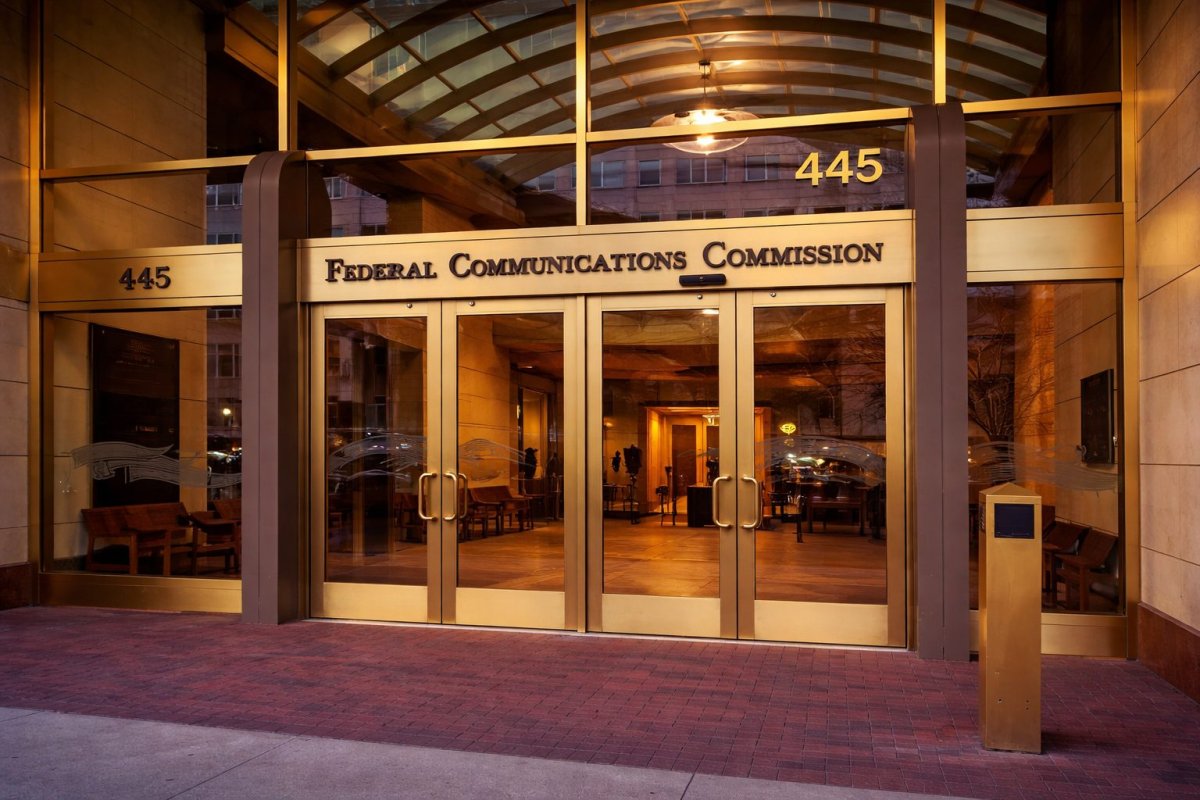
The FCC granted a critical waiver permitting the merged company to reach approximately 80% of American television households. This bypasses the agency's traditional national ownership cap, which restricts a single broadcaster from covering more than 39% of U.S. TV homes. Regulators justified the decision by citing Nexstar's post-merger ownership share of all U.S. TV stations, which will remain below 15%. As a condition of the approval, Nexstar has committed to divesting six stations within the next two years.
With the addition of Tegna's assets, Nexstar will now operate 265 full-power stations spanning 44 states and Washington, D.C. Founder and CEO Perry Sook characterized the transaction as essential for preserving robust local journalism. The company has pledged to enhance local programming for at least two years in the newly acquired markets and plans to launch local news broadcasts in nine of them.
Market Context and Rationale
The consolidation occurs amid a structural decline in traditional broadcast television viewership. Recent FCC data indicates that streaming services now dominate video consumption, with broadcast TV's monthly share falling to 18.5% over the past year. Nexstar has argued that increased scale is necessary to sustain local news operations in this challenging environment.
FCC Commissioner Brendan Carr supported the merger, framing it as a strategic move for local affiliates to regain leverage against major network corporations such as Disney's ABC and Comcast's NBC. He noted that the regulatory decision reflects a video marketplace that is fundamentally different from the landscape of past decades.
Mounting Legal and Political Opposition
Despite regulatory green lights, significant legal hurdles emerged immediately. On Wednesday, March 19, the state of California, along with seven other states, filed an antitrust lawsuit in federal court in Sacramento seeking to block the merger. New York Attorney General Letitia James separately argued the deal would reduce competition in 31 local markets.
Satellite provider DirecTV has also initiated legal action. The company's general counsel, Michael Hartman, warned the transaction could "trigger a wave of similar consolidation." The core dispute involves retransmission consent fees, the payments cable and satellite distributors make to broadcasters to carry local channels. DirecTV claims these fees have surged by over 5,000% in the last two decades and are projected to reach $11.9 billion in 2025. The FCC countered that distributors, not Nexstar, ultimately determine consumer pricing, and noted Nexstar has offered some partners temporary rate extensions.
Internal Divisions and Procedural Objections
The deal has exposed political and internal regulatory fractures. Former President Donald Trump voiced his support for the merger in February. Conversely, Newsmax CEO Chris Ruddy has criticized the waiver, calling the ownership cap "one of the last meaningful protections for competition and diversity."
Within the FCC, Democrat Anna Gomez dissented, objecting that the approval was processed without a public vote from the full commission. Reuters also reported that Commissioner Carr spoke favorably of Nexstar last year after the broadcaster temporarily removed ABC's "Jimmy Kimmel Live!" from its affiliate lineup.
Although the transaction is now complete, the pending federal lawsuits ensure the conflict will continue, shifting the battleground from regulators to the judiciary. The outcome will significantly influence the future landscape of local broadcast media and consolidation within the industry.