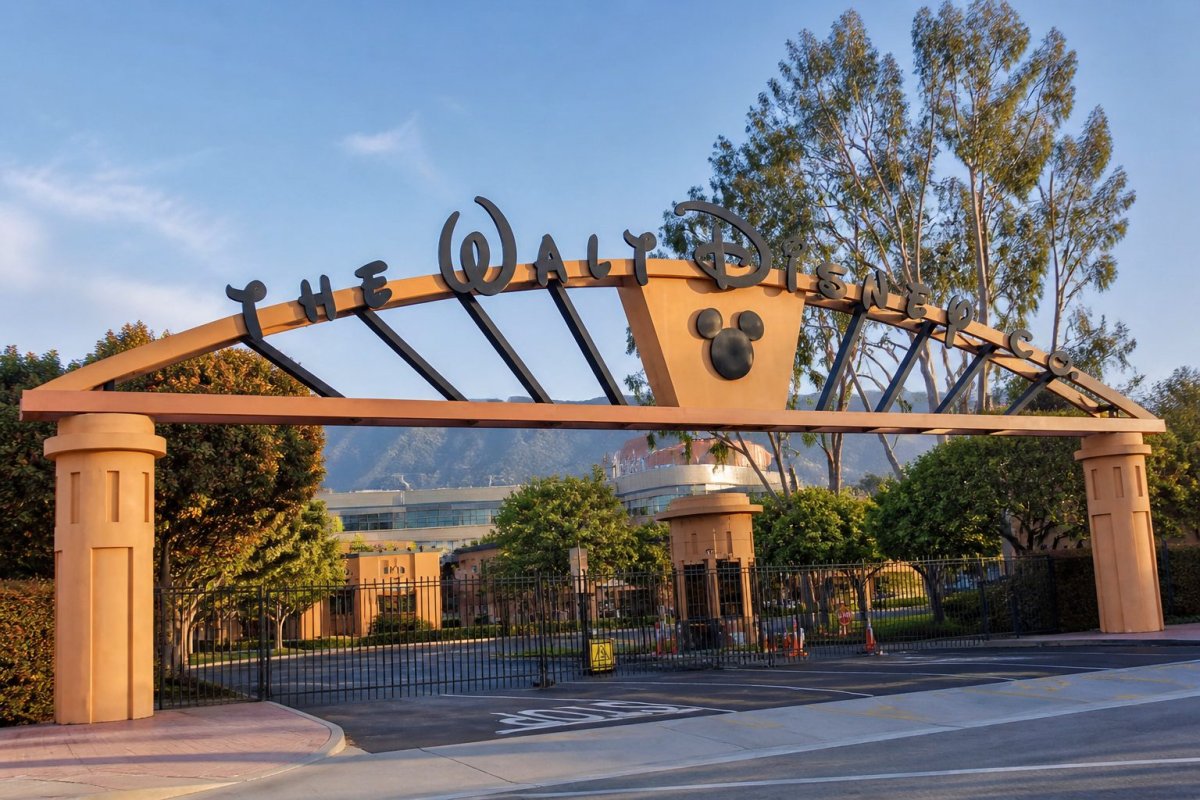
Walt Disney Company (NYSE: DIS) faces a regulatory challenge as the Federal Communications Commission (FCC) has ordered ABC to submit early license renewal applications for eight of its television stations by May 28, 2026. The move comes just days before Disney is set to report its fiscal second-quarter results on May 6, adding a layer of uncertainty for investors already weighing questions about theme park demand, streaming profitability, and sports-related costs.
FCC Review Details
The FCC's order, issued on April 28, targets Disney, ABC, and their subsidiaries for potential violations of the Communications Act and FCC rules, specifically regarding unlawful discrimination. FCC Chair Brendan Carr stated that the review focuses on diversity, equity, and inclusion (DEI) practices, not programming content. Carr denied any White House involvement, asserting that the decision was made internally and that the FCC "should not operate as the speech police."
The affected stations include KABC-TV in Los Angeles, WABC-TV in New York, WLS-TV in Chicago, KGO-TV in San Francisco, WPVI-TV in Philadelphia, KTRK-TV in Houston, WTVD in Durham, and KFSN-TV in Fresno. These stations must submit renewal applications within 30 days, a process typically required every eight years but now accelerated.
Political Context and Market Reaction
The timing of the review has drawn scrutiny, coming a day after President Donald Trump called for ABC to dismiss late-night host Jimmy Kimmel. Legal experts, including Katie Fallow of Columbia University's Knight First Amendment Institute, described the timing as "highly suspect," while New Street Research's Blair Levin called it "strong evidence" of political motivation. However, Carr emphasized that the FCC should not operate as the "speech police."
Disney shares closed at $103.08 on Friday, down 64 cents, ahead of the weekend. The stock is likely to face pressure when markets reopen on Monday as investors digest the regulatory news alongside earnings expectations.
Industry and Legal Implications
The National Association of Broadcasters called the early review "nearly unprecedented," warning it introduces "significant uncertainty for all broadcasters." Disney has stated it has a long record of complying with FCC rules and is prepared to defend its practices in court. Legal experts, however, suggest harsh penalties are unlikely. Andrew Jay Schwartzman, a public-interest attorney, noted that the bar for revoking a license is "insurmountable," and Robert Corn-Revere of the Foundation for Individual Rights and Expression warned that content-based complaints could lead to First Amendment challenges.
Disney's Financial Performance
Disney's fiscal first-quarter results showed revenue of $26 billion, up 5% year-over-year. The experiences division, which includes parks, cruises, and consumer products, generated $10 billion in sales. Streaming operating income surged 72% to $450 million, while sports faced challenges due to a carriage dispute with YouTube TV. The upcoming Q2 report will be closely watched for updates on these segments and the potential impact of the FCC review.
Broader Market Context
Peer comparison is limited but relevant. Comcast's NBCUniversal shares more broadcast overlap with Disney than Netflix, which is not affected by local station license issues. Carr declined to confirm whether Comcast or NBC might face similar scrutiny. The regulatory uncertainty could weigh on the broader broadcast sector, though analysts see limited risk of license revocation.