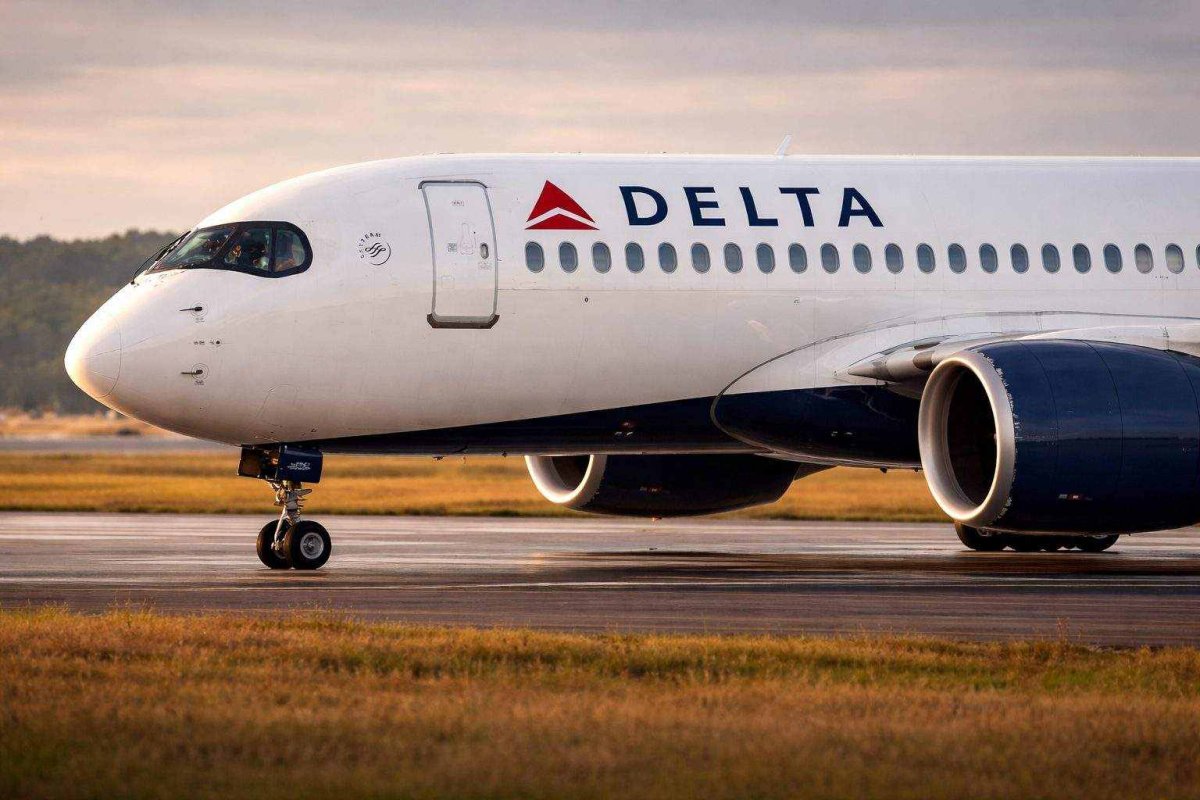
Delta Air Lines (NYSE: DAL) faced a significant operational setback over the first weekend of May, canceling more than 400 flights as crew shortages disrupted schedules and raised concerns for the upcoming summer travel season. According to flight-tracking data from FlightAware, the carrier scrubbed 157 flights on Friday, representing 4% of its schedule, and an additional 204 flights by late Saturday afternoon, or 6% of that day's operations.
The cancellations were attributed to what Delta described as "crew restrictions," a term that encompasses a lack of qualified crew members and scheduling mismatches that left aircraft without the necessary personnel. Internal memos indicated that pilot-related cancellations are running at more than ten times the historical average, a stark figure that underscores the severity of the staffing challenges.
The disruptions come at a particularly inopportune time for Delta, which has built its reputation on reliability and premium service. With families and business travelers ramping up bookings for the summer, the airline's operational consistency is facing a critical test. The broader U.S. travel market also felt the strain as Spirit Airlines, which announced an orderly wind-down after failing to secure fresh funding, canceled all its flights over the same weekend, adding to the chaos at major airports.
At Delta's primary hub, Hartsfield-Jackson Atlanta International Airport, the impact was especially acute. According to the Atlanta Journal-Constitution, pilot staffing issues have pushed cancellations at Delta to levels that are nearly four times higher than those seen in 2024, accounting for 35% of the airline's total canceled flights. Passengers at the Atlanta hub reported long waits and confusion, with some taking matters into their own hands. In one widely circulated video, a frustrated traveler grabbed a gate's public address handset and demanded, "Is anybody working?"
The root causes of the disruptions remain a point of contention between Delta's management and its pilots union. Eric Criswell, who chairs the Delta branch of the Air Line Pilots Association (ALPA), told the AJC that disruptions are occurring even on days with calm weather, suggesting that the airline simply lacks "the resources to run the airline." Criswell pointed to a slowdown in pilot hiring late last year, stretched reserve pilot levels, and mounting pressure on crew scheduling and tracking systems. He also flagged turnover in scheduling ranks and outdated tools for reconstructing crew assignments when flights run off schedule.
Delta's senior vice president of flight operations, Ryan Gumm, acknowledged the challenges in a memo to pilots, stating that the airline's "recovery performance has been inconsistent." Gumm noted that Delta now has 20% more pilots compared with 2019, has raised reserve pilot levels, and is adding more scheduler staff. However, he highlighted a troubling metric: the acceptance rate for scheduled trips among pilots has plunged from 37% down to 2%, tripling the time it takes to staff flights. Criswell pushed back, arguing that this decline signals deeper fatigue in the system rather than being the fundamental issue.
The weekend's disruptions also had a ripple effect across the industry. Spirit Airlines' collapse saw the carrier cancel 277 flights by late Saturday afternoon, while United Airlines dropped nine flights and American Airlines canceled four, according to the same flight-tracking summary. In response, U.S. Transportation Secretary Sean Duffy announced that United, Delta, JetBlue, and Southwest Airlines are stepping in to assist stranded Spirit passengers, offering $200 one-way fares.
For Delta passengers affected by the cancellations, the airline has outlined compensation policies. Travelers hit by a canceled or heavily delayed flight can be rebooked automatically, seek alternative options, or cancel and claim a refund for the unused portion. If a delay or cancellation within Delta's control stretches to three hours or longer, U.S. and Canadian customers can request compensation for reasonable meals, hotel stays, and ground transport.
The broader concern for Delta is whether these operational issues are merely a rough patch or a harbinger of more significant problems as summer approaches. Persistent crew-scheduling problems, if not resolved, could spell bigger headaches as travel demand peaks and pilot contract negotiations drag on. Gumm did not mince words in his memo: "Summer is upon us." The coming weeks will be a critical test of Delta's ability to restore its operational reliability and maintain its premium brand image in the eyes of travelers and investors alike.