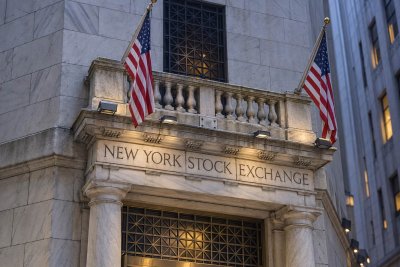
U.S. equity markets are set to open Monday, May 4, at all-time highs, but a veneer of calm masks mounting pressures beneath the surface. March inflation data came in hot, and factory input costs surged to levels not seen since 2020, hitting a four-year peak last month. The first signs of strain may emerge in technology, energy, and consumer cyclical sectors, particularly transportation and automotive names.
Earnings remain the primary driver for stocks, even as the macroeconomic backdrop grows increasingly cloudy. April payrolls are due on May 8. By late Friday, the benchmark 10-year Treasury yield hovered near 4.38%. With time ticking, investors are bracing for a potential return of rate-cut speculation to dominate trading narratives.
The equity cushion remains substantial. According to LSEG IBES data, first-quarter S&P 500 earnings growth is now estimated at 27.8%—the strongest showing since late 2021—fueled by a heavy week of megacap results. “Today’s action is really the cherry on top of another solid week for investors,” Ryan Detrick, chief market strategist at Carson Group, told Reuters after Friday’s close.
All eyes turn first to technology. The sector led Friday’s advance, supported by Apple’s upbeat sales forecast and renewed confidence in artificial intelligence investments. However, the AI-driven capital spending that boosted first-quarter growth is also increasing import reliance and exposing the sector to higher borrowing costs, elevated energy prices, and supply chain risks.
Energy is the next sector on the watch list, primarily due to oil. On Friday, Barclays raised its 2026 Brent crude forecast to $100 per barrel from $85, citing the ongoing deadlock in the Strait of Hormuz. The bank noted that prices could reach $110 if disruptions persist through the end of May. The oil shock is already spilling over into policy discussions. Cleveland Fed President Beth Hammack stated that “inflation pressures continue to be broad-based.” Dallas Fed President Lorie Logan called the Fed’s next step “plausibly” either a hike or a cut. Minneapolis Fed President Neel Kashkari warned that if the Hormuz strait remains closed for an extended period, “potentially a series” of rate hikes could be necessary.
Monday could be particularly rough for airlines and automakers. Spirit Airlines ceased operations on Saturday, squeezed by jet fuel costs that have doubled since the Iran war began. Shares of Frontier Airlines jumped 10% on Friday, while JetBlue finished up 4%. In the auto sector, President Donald Trump announced a tariff hike: European Union cars and trucks will face a 25% levy next week, up from the current 15%. Ford, Stellantis, and General Motors all took a hit.
The headline stock indexes do not fully capture the consumer picture. The personal consumption expenditures price index—the Fed’s preferred inflation gauge—rose 0.7% in March, bringing the annual rate to 3.5%. Core PCE, which excludes food and energy, stood at 3.2% year-over-year. Despite these increases, inflation-adjusted consumer spending edged up just 0.2% in March. Nominal spending rose 0.9%, indicating that Americans paid more but did not actually buy much more.
Manufacturing flashed another caution signal. The ISM manufacturing PMI remained at 52.7 in April, barely budging but still above the expansion threshold. However, the prices-paid gauge jumped to 84.6, a level not seen since April 2022. “The cost of everything coming in the door has gone up,” said Carl Weinberg, chief economist at High Frequency Economics, adding that the Fed will be closely watching as purchasing managers sound the alarm.
There is an alternative scenario: if oil prices continue to decline, particularly if Iran-U.S. talks make progress, growth stocks sensitive to rates could get a reprieve, and consumers might see some cost relief. Still, the risk is on the other side: as Reuters’ market outlook noted, every week the Strait remains closed increases the odds of either more inflation, slower growth, or both. When markets open Monday, the question is not whether investors still have an appetite for earnings—they do—but whether the inflation shock will hold off long enough for tech, energy, and consumer cyclical stocks to reflect fundamentals rather than being tossed around by oil, yields, or tariff talk.