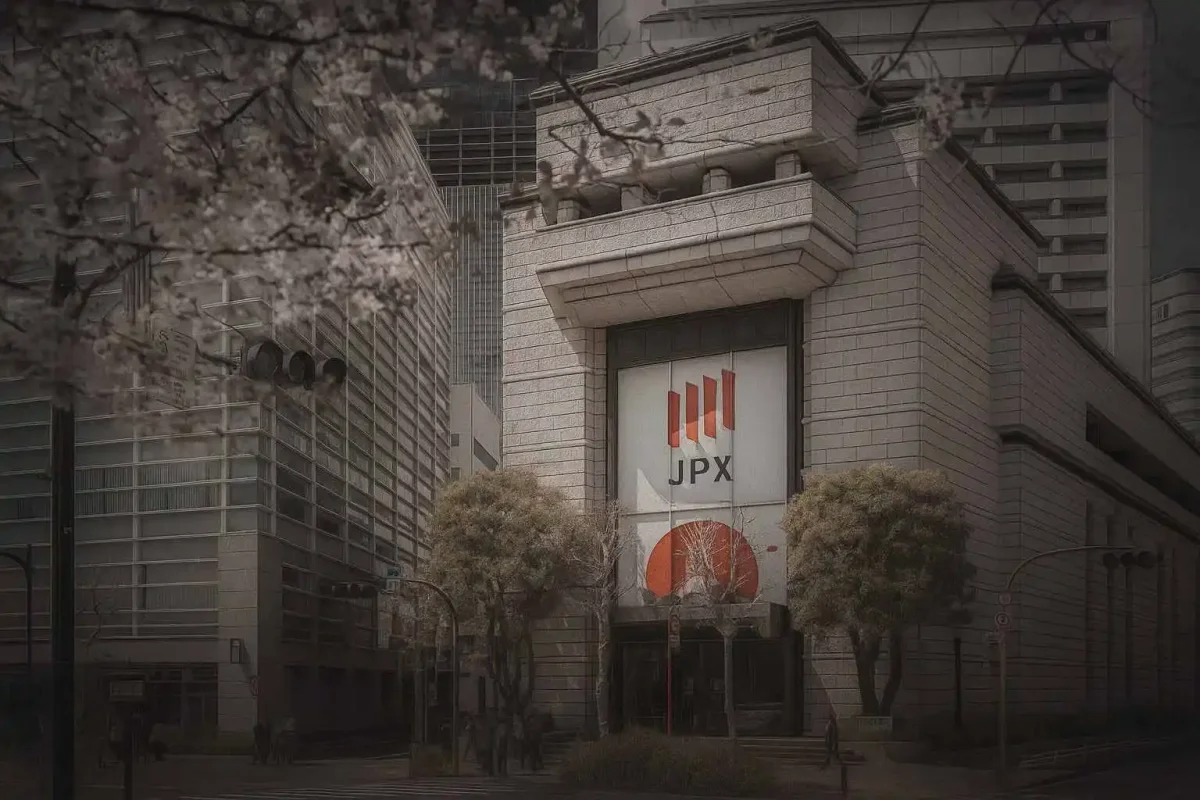
Japanese equities experienced a severe downturn on Monday, with the Nikkei 225 Stock Average plummeting 2,892.12 points, or 5.2%, to close at 52,728.72. This represents the index's third-heaviest point loss in history, driven by a rapid flight from risk assets. The broader Topix index also declined significantly, falling 3.8% to finish the session at 3,575.84.
Oil Shock Reverberates Through Markets
The catalyst for the selloff was a sharp escalation in geopolitical tensions involving Iran, which sent crude oil prices soaring. Brent crude futures briefly touched $119.50 per barrel, a level not witnessed since mid-2022. For Japan, a nation heavily reliant on imported energy, the spike presents a direct threat to economic stability. Prime Minister Sanae Takaichi acknowledged the pressure, stating the government is considering measures to mitigate the impact of rising fuel costs on consumers and businesses.
Market sentiment swiftly shifted from optimism to deep concern. Daisuke Hashizume, a senior strategist at Daiwa Securities, noted that earlier hopes for a favorable political shift in Iran evaporated, refocusing investor attention on the dual threats of slowing growth and persistent inflation—a classic stagflation scenario. The selloff was comprehensive, with all 33 industry subgroups on the Tokyo exchange closing in negative territory.
Technology and AI Shares Hit Hard
Sectors perceived as higher-risk bore the brunt of the selling. Semiconductor and artificial intelligence-related stocks posted steep losses. Advantest Corp. plunged more than 11%, while SoftBank Group tumbled over 9%. Tokyo Electron shed upwards of 6%. The decline extended to Fujikura, which sank nearly 10% following a Bloomberg News report that Oracle and OpenAI had abandoned plans for a major AI data center expansion in Texas.
The downturn marks a stark reversal for a market that recently celebrated record highs. The Nikkei had reached an all-time intraday peak of 58,015.08 as recently as February 12. A Reuters poll of equity strategists in late February had pointed to a mid-2027 target of 60,750, underscoring how rapidly the energy shock has disrupted a market previously buoyed by strong corporate earnings and consistent foreign investment inflows.
A Triple Whammy for Japanese Assets
The pressure was not confined to equities. Japanese markets faced a triple selloff: the yen weakened past the 158.60 level against the U.S. dollar, while the yield on the benchmark 10-year Japanese Government Bond (JGB) climbed to 2.210% as traders exited both fixed-income and currency positions. This simultaneous decline in stocks, bonds, and the yen highlighted the broad-based risk aversion gripping investors.
The contagion spread across Asia. South Korea's KOSPI index collapsed 8.2%, and China's CSI 300 index fell 1.7% during the session. Tokyo markets did pare some of their deepest losses after the Financial Times reported that G7 finance ministers were planning discussions with the International Energy Agency regarding a potential coordinated release of emergency oil reserves.
Officials Warn and Prepare
Policymakers and business leaders voiced escalating concerns. Keidanren Chairman Yoshinobu Tsutsui warned that financial markets are already “sending a warning” about the dangers of a prolonged conflict and stagflation. International Monetary Fund Managing Director Kristalina Georgieva, speaking in Tokyo, urged leaders to “think of the unthinkable and prepare for it.” She highlighted that a sustained 10% increase in oil prices could elevate global inflation by approximately 40 basis points, or 0.4 percentage points.
In response to the crisis, governments are moving to contain the fallout. Opposition lawmaker Akira Nagatsuma revealed that Tokyo has instructed a national oil reserve facility to prepare for a possible release. With Asian nations scrambling to respond, G7 ministers are poised to discuss broader measures to support energy supply stability. The path to calmer markets appears narrow, contingent on geopolitical developments and effective policy coordination.