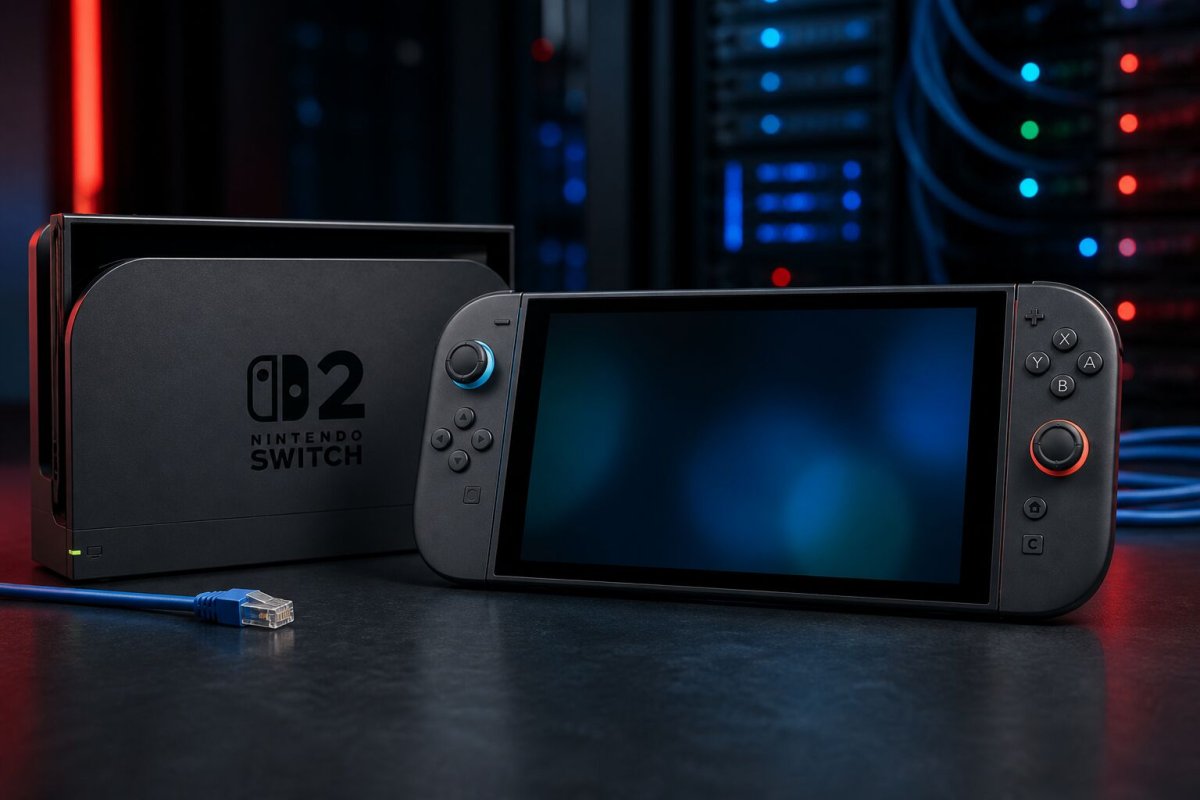
Nintendo Co., Ltd. (TYO:7974) appears to have reversed a wave of Switch 2 console bans that began on September 5, with affected users reporting restored online access by Monday morning in Asia. The company's support agents attributed the incident to a temporary system fault, according to reports from IT Home and Notebookcheck, though Nintendo has not yet issued a formal incident report or disclosed the number of consoles affected.
The bans, identified by error code 2124-4508, initially alarmed users because Nintendo's official support page describes this code as indicating a permanent ban due to a user-agreement breach, such as fraudulent transactions or community-guideline violations. However, many affected owners reported that they had only used new consoles and legitimate games, and several found that a simple restart restored their access.
One Korean owner told IT Home that Nintendo support described the episode as a temporary system failure. Notebookcheck added its reversal update at 2:38 a.m. Central European Summer Time on Monday. While these accounts are valuable, they are incomplete; social media posts cannot establish the total affected population or prove that every ban shared a single cause. The strongest verified conclusion is that some restrictions presented as permanent were reversed, while Nintendo's public error-code guidance remained unchanged.
From an investment perspective, the quick reversal suggests this was a short service failure rather than a new piracy crackdown or a lasting blow to hardware demand. There is currently no basis to cut Nintendo's fiscal-year forecast of 16.50 million Switch 2 units, a target reiterated in the company's August 6 results presentation.
Nintendo sold 3.82 million Switch 2 systems in the quarter ended June 30, along with 9.46 million software units. The company's digital sales reached ¥132.7 billion in that quarter, up 90.0% year-over-year, and digital channels supplied 61.5% of dedicated-platform software sales. The error can block the eShop and other online services, and it can also temporarily render some physical purchases useless, as Game-Key Cards require an internet connection for the first download and online licenses need a successful connection when a game starts.
This dependence on online connectivity turns platform trust into a revenue issue. However, no disclosed evidence links this weekend's fault to lost software sales, console returns, or compensation costs. Restored access limits the immediate damage, but the timing is awkward: the U.S. price of Switch 2 rose from $449.99 to $499.99 on September 1, and Europe saw a similar increase from €469.99 to €499.99. These price changes were already included in Nintendo's financial forecast when announced in May.
Buyers are now paying more for the same hardware, so a mistaken permanent-ban message lands at a sensitive point in the product cycle. It could weaken demand if customers begin to doubt access to their purchases. One quickly reversed episode does not demonstrate that behavior, but it serves as an operational warning.
Three observable developments would change the assessment: another multi-country wave or a long eShop outage, a Nintendo disclosure quantifying affected consoles or remediation costs, or evidence of higher return rates or weaker sell-through after the September price increase. Without one of those signals, Nintendo's harder test remains the familiar one: selling 12.68 million more Switch 2 systems after June while lifting annual software volume 23.2%.
Nintendo shares traded at ¥8,748 at 2:25:25 p.m. Japan Standard Time on Monday, down 1.03% from Friday's close. The available evidence does not isolate the service incident as the cause of the move. The weekend bans are an operational warning, not yet an earnings reset.