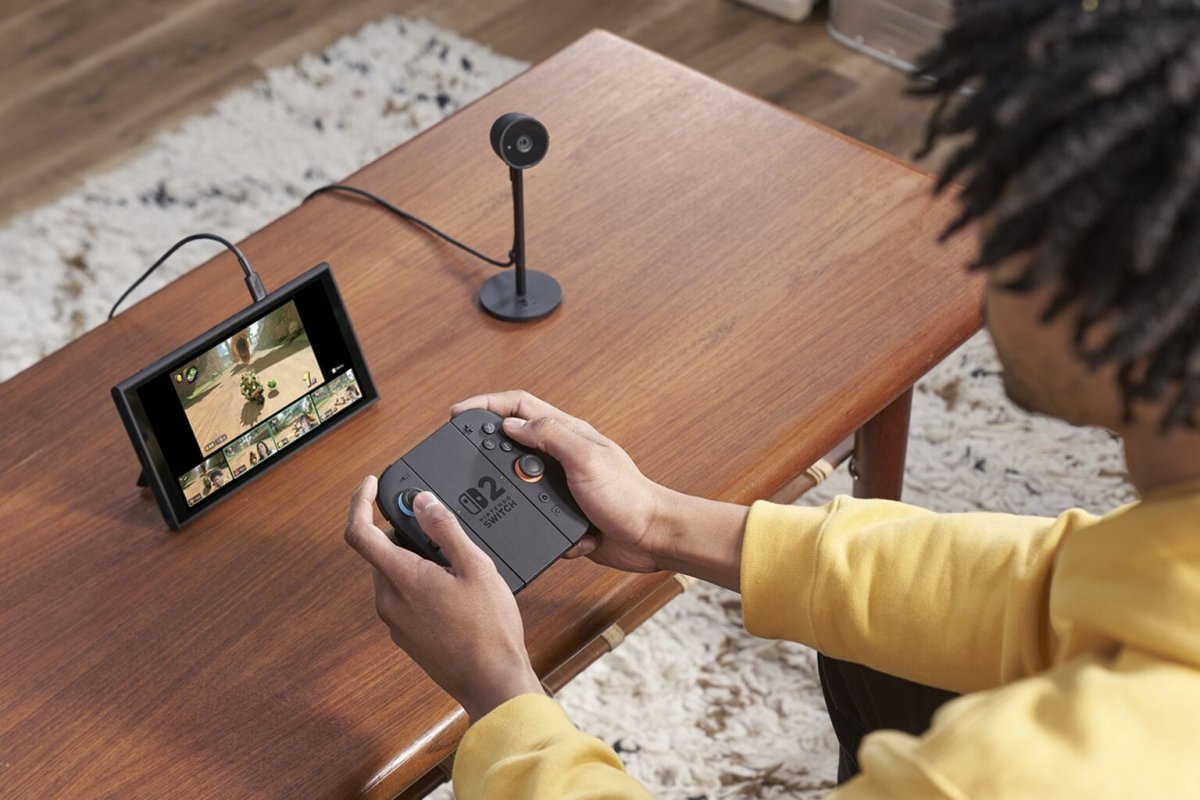
Nintendo's announcement of a 30% discount on digital Switch games has sparked investor curiosity, but the move is more tactical than generous. The company is leveraging a portion of its tariff-related windfall to stimulate software sales, not to reverse its recent hardware price increase. This strategic promotion aims to boost engagement across its massive installed base without compromising the premium positioning of the Switch 2.
Promotion Details and Scope
Running from September 13 through September 26, the "Customer Appreciation Sale" applies to dozens of digital Switch titles and bundles available via Nintendo.com and the eShop. Additionally, selected physical games, accessories, and apparel will see unspecified discounts at participating retailers. Notably, the promotion does not extend to the Switch 2 console itself, which saw its U.S. price rise to $499.99 from $449.99 on September 1, citing market conditions.
For investors, the exact game list will be more telling than the headline discount. Discounts on evergreen first-party franchises could yield different sales dynamics compared to older titles. Nintendo plans to release the full list closer to the sale's start, leaving analysts to speculate on the potential impact.
Financial Context: The 0 Million Refund
In its fiscal first quarter, Nintendo recorded approximately $300 million in tariff-related refunds as a cost reduction, boosting gross margin by 22 percentage points year-over-year to 54.3%. Operating profit surged 150.5% to ¥142.5 billion, despite a 9.5% decline in net sales to ¥517.8 billion. The refund, however, is a one-time benefit, not recurring operational growth, and the company has not disclosed how much of it will be allocated to this promotion.
This accounting windfall underscores the importance of not extrapolating the quarter's exceptional margin performance into future periods. Investors should view the promotion as a tactical use of a non-recurring gain rather than a signal of sustained margin expansion.
Software as the Key Growth Lever
Digital sales soared 90% to ¥132.7 billion in the June quarter, representing 61.5% of total platform software sales. Digital delivery offers low incremental costs, making promotions particularly effective for driving revenue and engagement. The trade-off is familiar: a 30% price cut only benefits if incremental purchases and long-term retention outweigh sales that would have occurred at full price.
With annual playing users exceeding 100 million, Nintendo has a vast audience to monetize. Switch 2 software sales rose 9.2% to 9.46 million units, while original Switch software jumped 38.6% to 33.81 million units. This cross-generation promotion is a way to capitalize on both the new platform and the mature ecosystem.
Hardware Challenges and Outlook
Hardware comparisons remain tough. Switch 2 unit sales fell 34.4% to 3.82 million against the launch quarter, while original Switch hardware declined 31.8% to 660,000 units. Despite this, Nintendo maintains its full-year forecast of 16.5 million Switch 2 systems and 60 million Switch 2 software units, alongside 105 million original Switch software units.
The $499.99 price point could weigh on holiday demand, but the software promotion may mitigate some pressure by enhancing the platform's value proposition.
Stock Reaction and Next Signals
Nintendo shares (ticker: NTDOY) closed Thursday at ¥7,989 in Tokyo, down 4.9% from the prior close. The decline should not be attributed solely to the sale announcement, as the release timing was unclear. The real test will be whether the promotion lifts software volume without undermining pricing power for core franchises. Strong eShop rankings and sustained attachment would support the view that Nintendo can use discounts selectively. Conversely, a spike followed by softer full-price sales would indicate demand pulled forward.
For now, the sale represents a tactical use of a windfall and an experiment in ecosystem demand, not evidence that tariff risks have dissipated. The game list, retailer participation, and post-sale software trajectory will determine the promotion's success.
