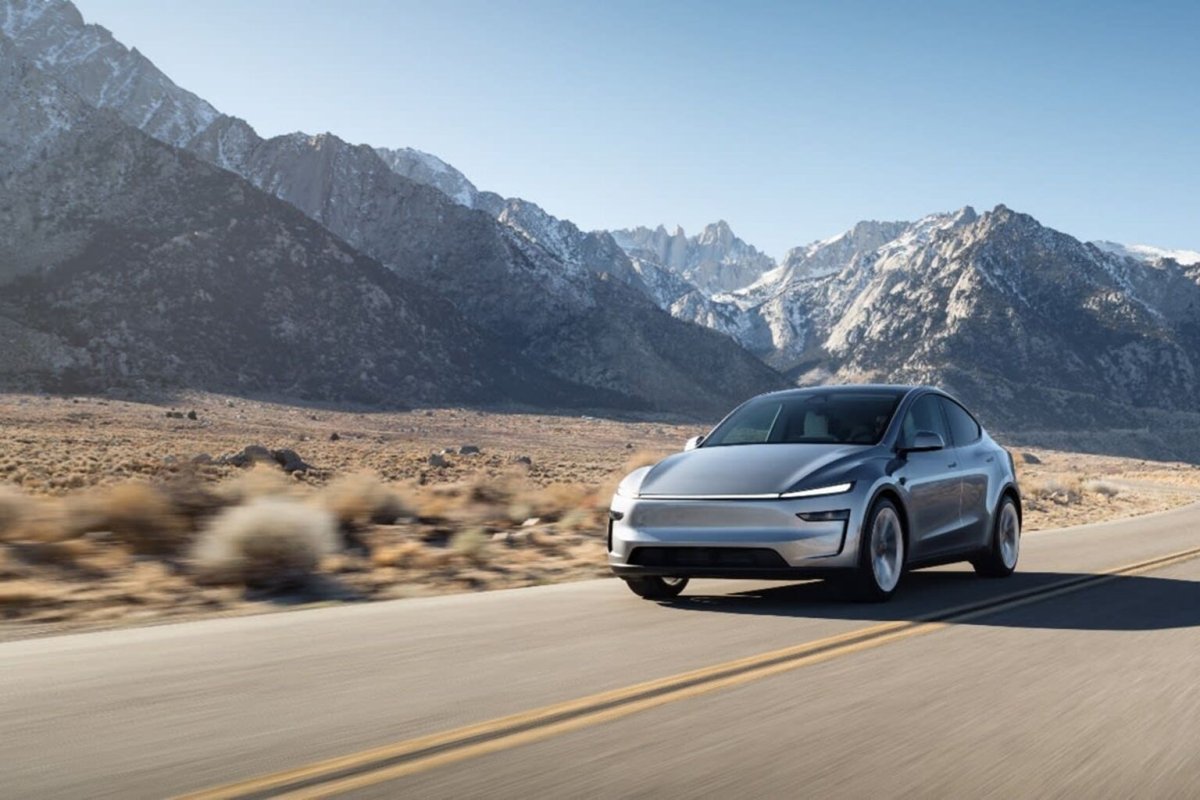
Estimates released this week indicate that Tesla Inc. (NASDAQ: TSLA) saw a 28.1% year-over-year increase in Canadian vehicle sales during the second quarter, reaching approximately 5,765 units. The standout performer was the Model Y, whose volume nearly doubled compared to the same period last year. While the absolute numbers are modest, the underlying trend offers a more meaningful insight for investors: a refreshed product combined with a strategically positioned entry price appears capable of stimulating demand in a challenging market without resorting to broad-based price reductions.
The scale, however, remains a limiting factor. Canada's estimated quarterly volume represents just 1.2% of Tesla's global deliveries of 480,126 vehicles in the same period. Even a robust recovery in that market is insufficient to materially alter the company's consolidated earnings trajectory on its own.
Market reaction was muted. TSLA shares traded at $363.87 on Thursday afternoon, down 1.1% from the prior close. This movement should not be interpreted as a direct response to the Canadian figures, which were released after the market had already priced in broader factors.
A Concentrated Rebound
The estimates, compiled by BestSellingCarsBlog and detailed by Drive Tesla Canada, break down as follows: Model Y sales surged 98.0% to 4,155 units, Cybertruck deliveries jumped 116.4% to 725, while Model 3 sales fell 59.1% to 730. The combined Model S and Model X deliveries were 155 units. This mix highlights that the recovery is heavily concentrated in a single product line—Model Y accounted for 72.1% of Tesla's estimated Canadian volume. The year-over-year comparison suggests an additional 2,057 Model Y sales, more than offsetting a decline of roughly 1,055 Model 3 units. This is a one-product revival, not yet a broad-based resurgence across the lineup.
Supportive Market, But Higher Bar
Canada's overall zero-emission vehicle market is growing, which raises expectations. Statistics Canada reported on September 8 that second-quarter zero-emission vehicle registrations rose 26.7% year over year to 58,811, representing 10.7% of all new registrations. Battery-electric registrations grew even faster, at 37.4%. Tesla's estimated 28.1% gain aligns closely with the overall zero-emission market growth but lags the battery-electric segment, suggesting Tesla is not necessarily gaining market share in the broader electric vehicle category.
Pricing Strategy as a Key Signal
Perhaps the most valuable takeaway for investors is Tesla's pricing approach. The Model Y rear-wheel-drive trim is listed at C$49,990 MSRP on Tesla's Canadian incentives page, just below the federal Electric Vehicle Affordability Program's C$50,000 transaction-price ceiling. Qualifying buyers may receive up to C$5,000 in incentives, though Tesla notes that eligibility, program funding, and its own participation are not guaranteed.
This threshold illustrates how product architecture and pricing can work in tandem. By offering a lower-priced Model Y trim, Tesla can attract incentive-sensitive buyers while maintaining a higher-priced Premium all-wheel-drive version at C$64,990. This is a more targeted demand lever than a blanket price reduction across the lineup.
The product itself has also been refreshed. Tesla's launch materials describe a redesigned exterior, quieter cabin, revised suspension, and improved efficiency, with North American deliveries beginning in March 2025. Consequently, the strong Model Y comparison may reflect model-cycle timing as much as pricing, and investors should be cautious about extrapolating a 98% growth rate into future quarters.
Why Canada Doesn't Settle the TSLA Debate
The estimated 5,765 Canadian vehicles compare with Tesla's global deliveries of 480,126 in the second quarter. The year-over-year increase in Canada is roughly 1,265 vehicles—a figure that pales in comparison to the company's overall scale. For shareholders, average selling price and gross profit per vehicle are far more critical than regional unit gains.
Tesla's second-quarter update underscores this tension. Automotive revenue rose 23% year over year to $20.52 billion, but the company-wide operating margin fell to 1.4%. Automotive gross margin, excluding regulatory credits, improved to 16.3% from 15.0% a year earlier, yet declined from 19.2% in the first quarter. Tesla cited a lower average selling price, including mix effects, as a drag on year-over-year profitability.
What Would Confirm the Signal
A stronger thesis would require three elements: another quarter of Canadian Model Y growth after the easier launch comparison, stabilization in Model 3 volume, and evidence that incentive-friendly pricing does not erode automotive margins. A change in the federal program or a move above the C$50,000 cutoff would test how much demand depends on the effective purchase price.
The counterargument is straightforward. The brand and model figures are third-party estimates, not official company data, and Canadian registration data are not organized on the same sales basis. The quarter may also reflect supply and launch timing that will not repeat. Canada offers a constructive case study for Tesla's refreshed mass-market SUV, but it is not, by itself, a reason to reprice TSLA's global earnings.