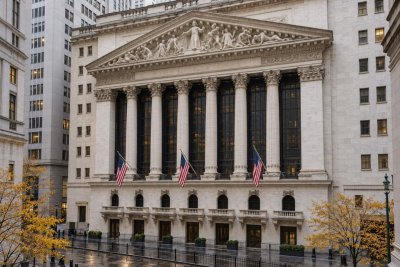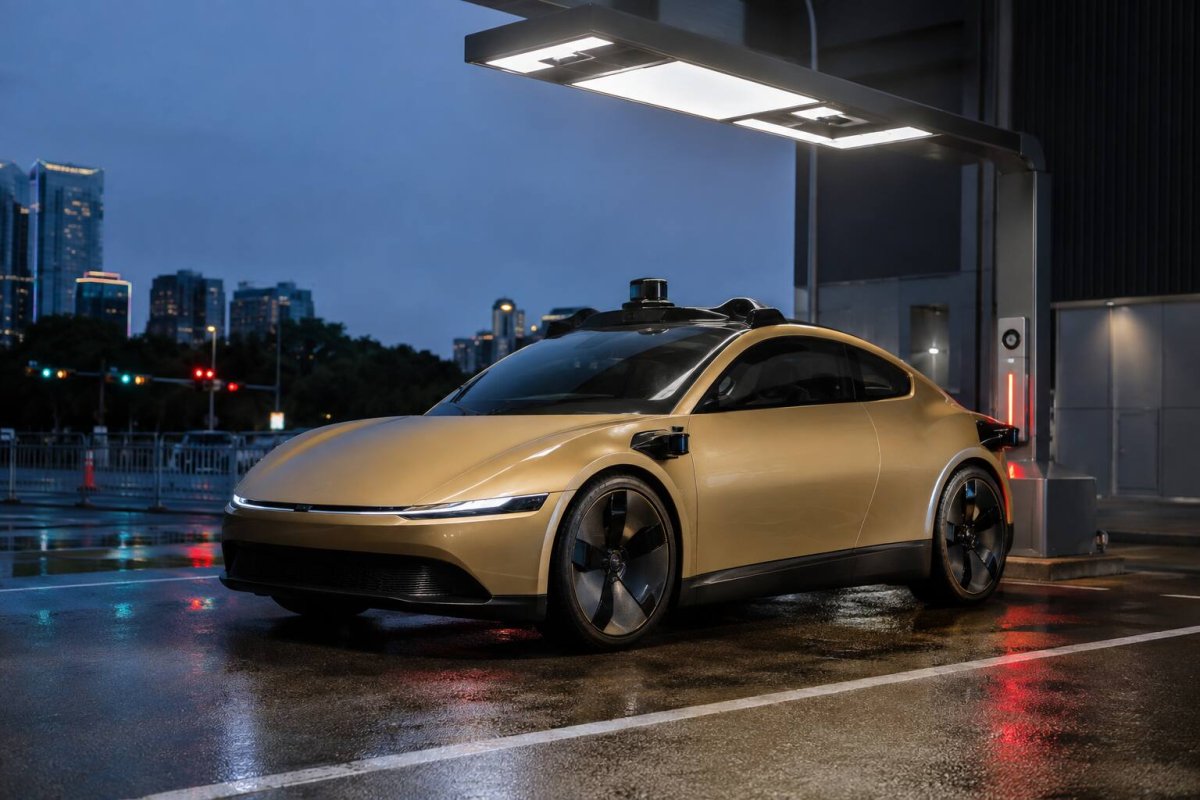
Tesla Inc. (NASDAQ: TSLA) experienced a sharp sell-off on Friday, September 4, closing at $354.08, down 5.92%. The decline followed the announcement of a new regulatory audit by the National Highway Traffic Safety Administration (NHTSA) into the company's steering-wheel-free Cybercab. With U.S. markets closed Monday for Labor Day, Friday's close stands as the latest official price. Based on Tesla's 3.949 billion shares outstanding as of June 30, the session wiped out approximately $88 billion in market capitalization.
The dramatic reversal came just one day after Tesla shares surged 5.42% to $376.37, fueled by the commercial launch of the Cybercab in Austin, Texas. Friday's $22.29 drop exceeded the previous session's entire gain of $19.36, with about 64.8 million shares traded—roughly 55% above the three-month average. Over the two sessions, Tesla's net decline was a modest 0.82%, but the volatility underscores how sensitive the stock remains to regulatory headlines.
What the Cybercab Investigation Covers
NHTSA opened Audit Query AQ26002 on September 4, following the Cybercab's deployment. Tesla has certified the vehicle as compliant with all applicable Federal Motor Vehicle Safety Standards (FMVSS). The audit will scrutinize the process and technical data behind that certification, particularly given the Cybercab's unique design—it has no steering wheel, accelerator pedal, or brake pedal, according to Tesla's own rider guide. NHTSA's central question is whether Tesla correctly determined that certain standards, written around conventional controls, do not apply to this vehicle.
It's important to note that an audit query is not a recall, a stop-service order, or a finding that the Cybercab is unsafe. The vehicles continue to operate with paying passengers, and NHTSA has not set a timeline for its review. However, for shareholders, the risk lies in the path to scale. An adverse certification decision could necessitate hardware changes, alternative legal routes, or a slower rollout. A clean review would remove a significant overhang on the stock.
Five Fatal Crash Reports: Involvement, Not Fault
Separately, Tesla faces renewed scrutiny over its Level 2 driver-assistance crash reporting. An Electrek investigation on September 1 matched five redacted Tesla entries in the federal database to fatal crashes reported by local authorities. The incidents include: a 2025 Model 3 in Clute, Texas (May 2026) with a reported pre-crash speed of 104 mph; a 2020 Model 3 in Lake Mary, Florida (October 2025) stopped at 0 mph before contact with a heavy truck; a similar stopped-vehicle crash in Mesa, Arizona (October 2025); a 2026 Model Y in Batavia, Illinois (March 2026) making a left turn at 24 mph; and a 2024 Model X in Moraine, Ohio (July 2025) at 49 mph in a crash involving a motorcycle.
These entries indicate that Tesla reported the crashes to NHTSA under the Standing General Order, which requires notification when a Level 2 system was in use within 30 seconds before impact and the event meets severity thresholds. However, involvement does not establish causation. In all five cases, Tesla claimed the narrative and whether the vehicle was within its intended operating domain as confidential business information, leaving the public file without details on the feature version, system actions, or driver intervention.
A separate federal investigation illustrates why this distinction matters. In a June 19 crash in Katy, Texas, preliminary NTSB evidence found that FSD (Supervised) was engaged, but the driver overrode it by pressing the accelerator to 100%, and the Model 3 struck a house at over 70 mph. The probable-cause investigation remains open, highlighting that engagement and responsibility are different questions.
The Regulatory Stack Is the Investment Issue
The new Cybercab audit adds to three existing federal matters. AQ25002 examines the timeliness of Tesla's crash reports across an estimated 2.6 million vehicles. PE25012 covers alleged traffic-law violations with FSD engaged across an estimated 2.88 million vehicles. In March, NHTSA escalated its reduced-visibility review to Engineering Analysis EA26002, citing concerns about how FSD detects degraded camera visibility and warns drivers.
None of these open files is a final finding that Tesla's system caused the five newly highlighted deaths. NHTSA has cautioned that its public crash data are not normalized by fleet size or miles traveled and can be incomplete, and should not be treated as a safety league table. Tesla's rich telemetry may also make it aware of more reportable events than companies with less data access.
Yet the unresolved files matter because Tesla's market value is far larger than its earnings base. In its second-quarter filing, Tesla reported $28.24 billion in revenue and $1.11 billion in net income attributable to common shareholders. Friday's approximate $88 billion loss was about 79 times that quarterly profit. Tesla has warned that an enforcement action could materially affect its business, cash flow, financial position, or brand, while noting that no agency has concluded wrongdoing.
What TSLA Investors Should Watch Next
The first signal is whether AQ26002 remains a document review or produces a concrete compliance demand. The second is operating scale: fleet additions, service-area expansion, and paid miles will show whether Tesla can grow Cybercab while the audit is open. The third is disclosure—comparable exposure data, such as miles, operating conditions, and consistent severity thresholds, would tell investors more than raw crash counts.
The strongest counterargument remains visible on the road: the Cybercab has launched, and Tesla continues to push forward with its autonomy ambitions. But the regulatory overhang is unlikely to dissipate quickly, and each new audit or crash report adds to the uncertainty. For now, the market is weighing the promise of autonomous driving against the reality of federal scrutiny.