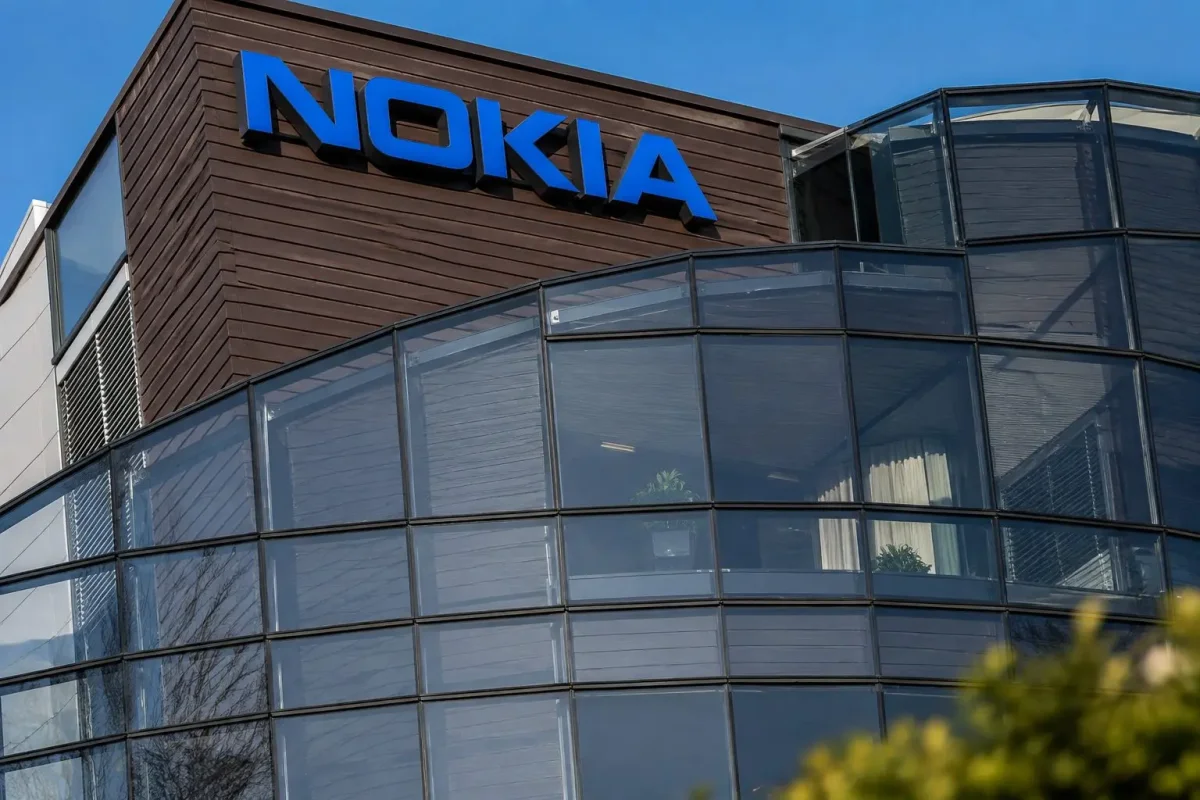
Nokia Oyj (HEL:NOKIA) shares surged 5.9% to €8.58 during Tuesday's session on the Nasdaq Helsinki, outperforming the OMX Helsinki 25 index, which advanced 1.24%. The rally extends a four-day recovery that began after the company's second-quarter earnings release on July 29, lifting the stock 13.6% from its recent low of €7.556. Despite the gains, shares remain 1.4% below their July 23 close, indicating that the post-earnings reset has not been fully reversed.
The primary catalyst for the move is the company's announcement of €2.8 billion in AI and cloud orders for the second quarter, a dramatic increase from the €1 billion recorded in the first quarter. This 180% sequential jump has captured investor attention, but the market is now scrutinizing how quickly these orders will translate into actual revenue. Management has guided that approximately half of the order intake is expected to convert to revenue over the next twelve months, implying around €1.4 billion in future sales.
This conversion estimate is significant relative to Nokia's current scale. Annualized Q2 Network Infrastructure sales stand at roughly €8.1 billion, meaning the anticipated €1.4 billion represents about 17.2% of that segment's run-rate. On a group level, annualized Q2 sales total approximately €19.3 billion, with the expected conversion constituting 7.3% of that figure. These numbers underscore the potential impact of the order backlog on near-term financial performance.
CEO Justin Hotard emphasized during the earnings call that supply constraints remain the industry's primary bottleneck, not demand. This suggests that while orders are robust, the pace of revenue recognition could be uneven, depending on component availability and manufacturing capacity. The company's Q2 results support the optimistic outlook but also reveal underlying tensions. Comparable operating profit rose 18% year-over-year to €434 million, while reported operations posted a €50 million loss, a discrepancy attributed to accelerated restructuring charges.
Nokia reaffirmed its full-year comparable operating profit guidance of €2.1 billion to €2.6 billion, though management noted that a €100 million upward adjustment was a technical change related to discontinued operations rather than improved operational expectations. Looking ahead, the company forecasts Q3 sales to increase 3% to 7% sequentially, with comparable operating profit remaining roughly flat. A significant improvement is anticipated in Q4, highlighting the critical role of order conversion timing in meeting annual targets.
Valuation remains a key concern for investors. Nokia trades at a price-to-earnings ratio of 67.6, compared to Ericsson's (ERIC-B) 13.0, making Nokia's multiple 5.2 times higher. While restructuring charges distort the earnings figure, the disparity is substantial. Ericsson shares rose 1.5% on Tuesday, underperforming Nokia, suggesting investors are favoring Nokia's stronger positions in optical and IP networking markets, where it posted 20% and 16% growth respectively in Q2.
Several risks could derail the conversion narrative. Supply chain disruptions may delay revenue recognition, and Nokia anticipates €800 million in restructuring charges this year, with associated cash outflows between €700 million and €800 million. Increased competition or reduced customer spending could also hinder the pace of order fulfillment. The company's substantial order backlog provides a buffer, but evidence of conversion will be crucial.
The next major test comes with third-quarter results on October 22, when investors will look for tangible signs that sales are reflecting the order influx. Until then, the market will closely monitor any updates on supply chain dynamics and customer demand. The stock's recent recovery suggests optimism, but the gap between order intake and revenue realization remains the central focus for analysts and shareholders alike.
