Nvidia Corporation has acquired $500 million in warrant rights from Corning Incorporated as part of a broad multiyear agreement centered on optical-connectivity technology. The deal marks a significant deepening of Nvidia's involvement in the physical infrastructure powering artificial intelligence data centers, moving beyond chips into the fiber and photonics that link them.
Corning shares surged nearly 12% in premarket trading to $181.57 following the announcement, while Nvidia rose 5.7% to $207.83. The market reaction underscores the strategic importance of optical connectivity as AI clusters increasingly rely on thousands of tightly interconnected graphics processing units.
Expanding U.S. Manufacturing Footprint
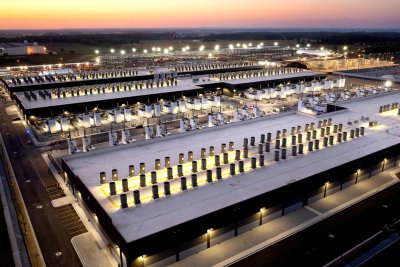
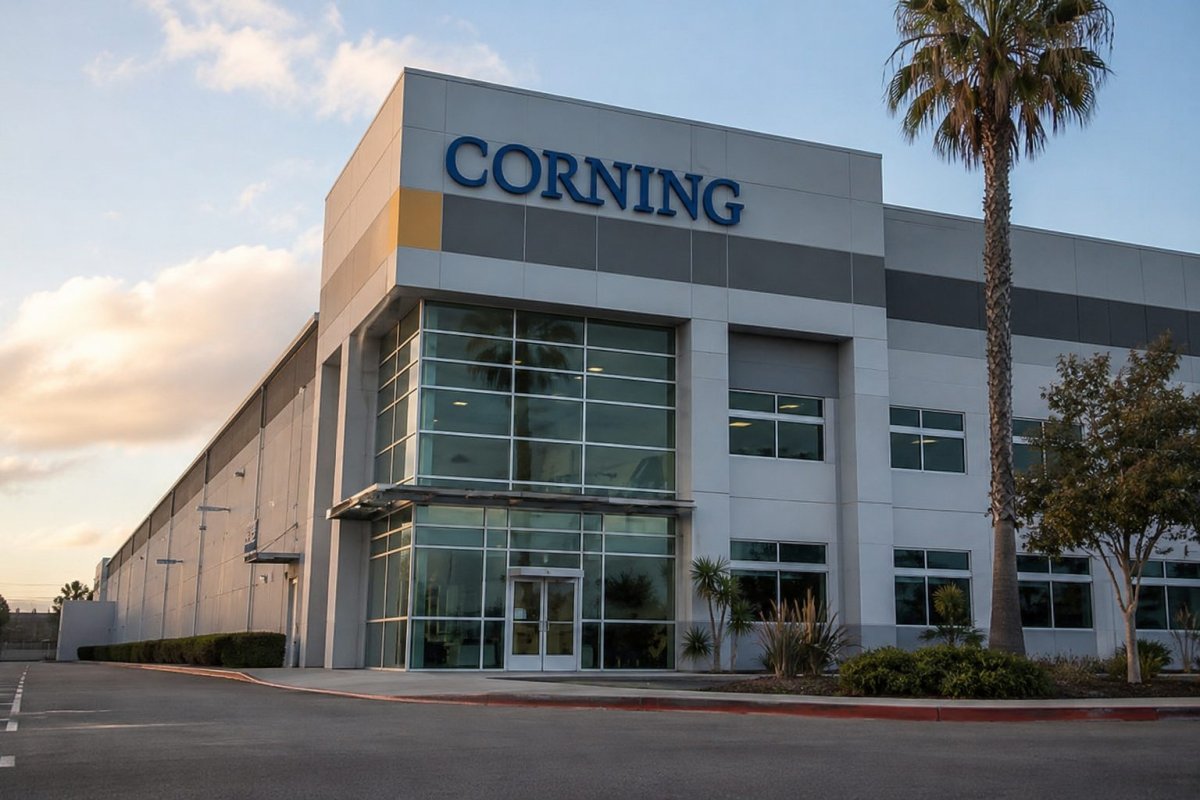
Corning plans to build three new high-tech manufacturing facilities in North Carolina and Texas, which will increase its optical-connectivity capacity by a factor of ten and boost domestic fiber output by more than 50%. The expansion is expected to create over 3,000 U.S. jobs. Nvidia CEO Jensen Huang described the effort as part of “the largest infrastructure buildout of our time.”
According to a securities filing, Nvidia received a traditional warrant to purchase up to 15 million Corning shares at $180 each, plus a pre-funded warrant for up to 3 million additional shares at just $0.0001 each, totaling a $500 million outlay. Warrants give the holder the right to buy shares at a predetermined price, locking in potential future gains.
Corning’s Strategic Pivot
Michael O’Day, Corning’s senior vice president and general manager for Optical Communications, emphasized the company’s vertical integration: “We manufacture the fiber, the cable and the connectivity.” CEO Wendell Weeks added that Corning plans to “fundamentally reinvent the optical systems” supporting next-generation AI infrastructure.
The deal follows Nvidia’s March agreements with Coherent and Lumentum, both major optical-component makers, for multibillion-dollar AI data-center builds and domestic production. Corning’s latest step inserts it deeper into Nvidia’s supply chain, which the chipmaker is actively working to secure.
Financial Outlook and Risks
Corning lifted its longer-term targets during a May 6 investor event, projecting a $20 billion annualized sales run rate by late 2026 and a “high-confidence” roadmap to $35 billion by the close of 2030. The company’s optical segment posted strong first-quarter results, with core sales up 18% to $4.35 billion and Optical Communications revenue jumping 36% year over year.
However, the deal does not eliminate lingering challenges. Reuters reported last week that Corning’s second-quarter revenue forecast fell short of analyst targets, due to sluggish demand in non-optical units such as consumer-electronics glass and a solar wafer maintenance shutdown. Risks for investors include a slowdown in AI data-center demand, delays in plant construction, or customer deals that fail to generate expected shipments.
The Nvidia pact provides Corning with cash, a marquee client, and a sharper AI infrastructure narrative. For Nvidia, it secures greater control over the fiber and photonics essential for scaling its systems—moving data via light rather than electricity. As the AI surge extends beyond chips, optical connectivity has become a critical bottleneck, and this deal positions both companies at the center of the solution.